- Products
- Air Compressors & Air Tools
- Climate Control
- Compaction Equipment
- Concrete Cutting Tools & Equipment
- Concrete and Masonry
- Demolition & Excavation
- Electrical & Mechanical
- Fasteners and Anchoring Adhesives
- Floor Protection
- Generators and Welders
- Hand Tools
- Heaters
- Janitorial and Office Supplies
- Jobsite Protection
- Ladders & Storage
- Lighting & Lighting Accessories
- Man Lifts
- Material Handling Equipment
- Power Tools
- Pressure Washers & Pumps
- Safety Gear
- Safety Products
- Saws
- Surface Preparation
- SEASONAL PRODUCTS
- Rentals
- Air Compressor and Air Tool Rentals
- Climate Control Rental
- Compaction Rentals
- Concrete Equipment Rentals
- Demolition & Excavation Equipment Rentals
- Concrete Floor Grinder Rentals
- General Construction Equipment Rentals
- Generator Rentals and Welder Rentals
- Heater Rentals
- Light Tower Rentals
- Man Lift Rentals in Massachusetts and Rhode Island
- Material Handling Equipment Rentals
- Pressure Washer & Pump Rentals
- Saw Rentals in New England
- SEASONAL PRODUCTS
- Products
- Air Compressors & Air Tools
- Climate Control
- Compaction Equipment
- Concrete Cutting Tools & Equipment
- Demolition & Excavation
- Electrical & Mechanical
- Floor Protection
- Generators and Welders
- Construction Heaters
- Construction Ladders, Staging, & Storage
- Construction Lighting
- Man Lifts
- Material Handling Equipment
- Industrial Janitorial and Office Supplies
- Pressure Washers & Pumps
- Construction Safety Products
- Construction Safety Gear
- Surface Preparation
- Building Protection
- Diesel Accessories
- Zero Emissions
- Rentals
- Air Compressor and Air Tool Rentals
- Climate Control Rental
- Compaction Rentals
- Concrete Equipment Rental
- Demolition & Excavation Equipment Rental
- General Construction Equipment Rental
- Generator Rentals and Welder Rentals
- Construction Heaters Rental
- Light Tower Rentals
- Man Lift Rentals
- Material Handling Equipment Rental
- Pressure Washer & Pump Rentals
- Saw Rentals in New England
- Concrete Floor Grinder Rentals
- Zero Emissions Rentals
- Repairs & Used
- Parts
- Blog
- Services
- Resources
- About Us
- Contact Us
Sales & Rental of Construction | Industrial Equipment & Supplies


10 Battery Energy Storage System Buying Tips
The global energy system is changing quickly, and Battery Energy Storage System procurement is becoming more technical. The International Energy Agency’s Batteries and Secure Energy Transitions report estimates that global battery storage capacity must expand dramatically by 2030 to support renewable energy and grid flexibility. BloombergNEF’s Energy Storage System Cost Survey also shows that falling battery prices do not automatically guarantee lower project costs. Integration, installation, financing, and replacement risks still matter.
A battery cabinet may look compact beside a warehouse, yet its performance depends on temperature, load patterns, ventilation, software, and maintenance access. Small details can create large financial differences. A system with excellent cells may underperform because its energy management system is poorly configured. That happens.
This guide presents 10 Battery Energy Storage System buying tips for commercial, industrial, and utility-scale projects. It focuses on measurable factors, including usable capacity, round-trip efficiency, cycle life, degradation warranties, safety certifications, and supplier service capability. Lazard’s Levelized Cost of Storage analysis repeatedly demonstrates why lifecycle economics matter more than the initial equipment quote. The cheapest proposal can become expensive after capacity loss, downtime, or software limitations.
Buyers should compare real operating conditions, not only datasheet ratings. Ask how the system performs at high temperatures. Check the warranty’s remaining-capacity assumptions. Confirm who responds when an alarm appears at 2 a.m. No checklist is perfect. However, careful questions can expose weak assumptions before contracts are signed, equipment is delivered, and capital is committed.
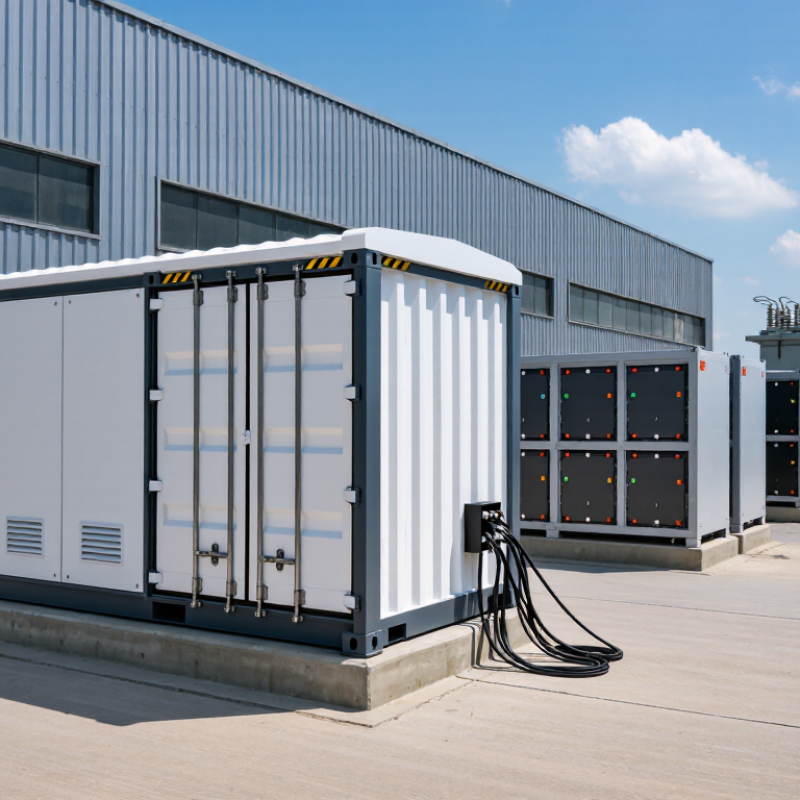
Table of Contents [Hide]
Define Your Energy Storage Needs and Operating Goals
Define Your Energy Storage Needs and Operating Goals
A battery energy storage system should begin with your operating goals, not its advertised capacity. Review twelve months of electricity bills and create a 15-minute load profile. Mark daily peaks, overnight demand, seasonal changes, and critical equipment such as refrigeration or medical systems. A spreadsheet helps, but incomplete data can produce false confidence.
Decide what the system must do during normal operation. It may reduce peak demand, store solar energy, support time-of-use pricing, or provide backup power. Each goal changes the required battery size, inverter rating, response time, and control strategy.
For backup, list essential loads and measure their starting currents. A pump may need far more power during startup than its running label suggests.
Set practical targets for backup duration, cycling frequency, usable capacity, and acceptable energy losses. Include ambient temperature, installation space, ventilation, noise, fire protection, and access for maintenance.
Check applicable electrical codes and request documented testing, monitoring functions, degradation assumptions, and warranty conditions. Performance claims need measurable definitions.
The first estimate is rarely perfect. Recheck it against real operating data after commissioning. A system oversized for occasional outages may waste capital, while an undersized system may fail when demand matters most. Clear priorities make technical comparisons more reliable.

© Copyright - Pro Tool & Supply - Site by SVM E-Marketing Solutions - Sitemap
- Privacy policy