- Products
- Air Compressors & Air Tools
- Climate Control
- Compaction Equipment
- Concrete Cutting Tools & Equipment
- Concrete and Masonry
- Demolition & Excavation
- Electrical & Mechanical
- Fasteners and Anchoring Adhesives
- Floor Protection
- Generators and Welders
- Hand Tools
- Heaters
- Janitorial and Office Supplies
- Jobsite Protection
- Ladders & Storage
- Lighting & Lighting Accessories
- Man Lifts
- Material Handling Equipment
- Power Tools
- Pressure Washers & Pumps
- Safety Gear
- Safety Products
- Saws
- Surface Preparation
- SEASONAL PRODUCTS
- Rentals
- Air Compressor and Air Tool Rentals
- Climate Control Rental
- Compaction Rentals
- Concrete Equipment Rentals
- Demolition & Excavation Equipment Rentals
- Concrete Floor Grinder Rentals
- General Construction Equipment Rentals
- Generator Rentals and Welder Rentals
- Heater Rentals
- Light Tower Rentals
- Man Lift Rentals in Massachusetts and Rhode Island
- Material Handling Equipment Rentals
- Pressure Washer & Pump Rentals
- Saw Rentals in New England
- SEASONAL PRODUCTS
- Products
- Air Compressors & Air Tools
- Climate Control
- Compaction Equipment
- Concrete Cutting Tools & Equipment
- Demolition & Excavation
- Electrical & Mechanical
- Floor Protection
- Generators and Welders
- Construction Heaters
- Construction Ladders, Staging, & Storage
- Construction Lighting
- Man Lifts
- Material Handling Equipment
- Industrial Janitorial and Office Supplies
- Pressure Washers & Pumps
- Construction Safety Products
- Construction Safety Gear
- Surface Preparation
- Building Protection
- Diesel Accessories
- Zero Emissions
- Rentals
- Air Compressor and Air Tool Rentals
- Climate Control Rental
- Compaction Rentals
- Concrete Equipment Rental
- Demolition & Excavation Equipment Rental
- General Construction Equipment Rental
- Generator Rentals and Welder Rentals
- Construction Heaters Rental
- Light Tower Rentals
- Man Lift Rentals
- Material Handling Equipment Rental
- Pressure Washer & Pump Rentals
- Saw Rentals in New England
- Concrete Floor Grinder Rentals
- Zero Emissions Rentals
- Repairs & Used
- Parts
- Blog
- Services
- Resources
- About Us
- Contact Us
Sales & Rental of Construction | Industrial Equipment & Supplies


2026 Top Drip Hose Types for Global Buyers?
Water efficiency is no longer a regional concern for agricultural buyers. FAO AQUASTAT reports that agriculture accounts for roughly 70% of global freshwater withdrawals. This pressure makes efficient irrigation equipment increasingly important. Drip Hose systems deliver water near the root zone, reducing surface evaporation and unnecessary wetting. However, performance depends on filtration, pressure control, water quality, and installation discipline.
Water changes everything. A vegetable grower in Spain may prefer thin-wall inline hose for seasonal beds. A greenhouse operator in the Middle East may require pressure-compensating emitters and stronger filtration. Orchard managers often select durable round hose for repeated installation. Porous and soaker designs can suit landscaping, nurseries, and low-pressure applications, but clogging remains a practical risk. The World Bank and FAO both emphasize that irrigation efficiency requires more than equipment selection; management and maintenance are equally important. Industry forecasts, including MarketsandMarkets’ drip irrigation research, indicate continued market expansion through the decade. Yet published estimates differ because definitions, regions, and product categories are not always consistent. Numbers need context. This 2026 guide compares major Drip Hose types through buyer-focused criteria, including emitter spacing, wall thickness, operating pressure, UV resistance, recyclability, and expected service life. It also considers regional standards, spare-part access, and total ownership cost. Some recommendations will remain conditional. That is intentional. The lowest purchase price may become expensive after repeated flushing, repairs, or uneven crop growth. Global buyers need evidence from field trials, technical datasheets, and verified supplier experience before committing to volume orders.
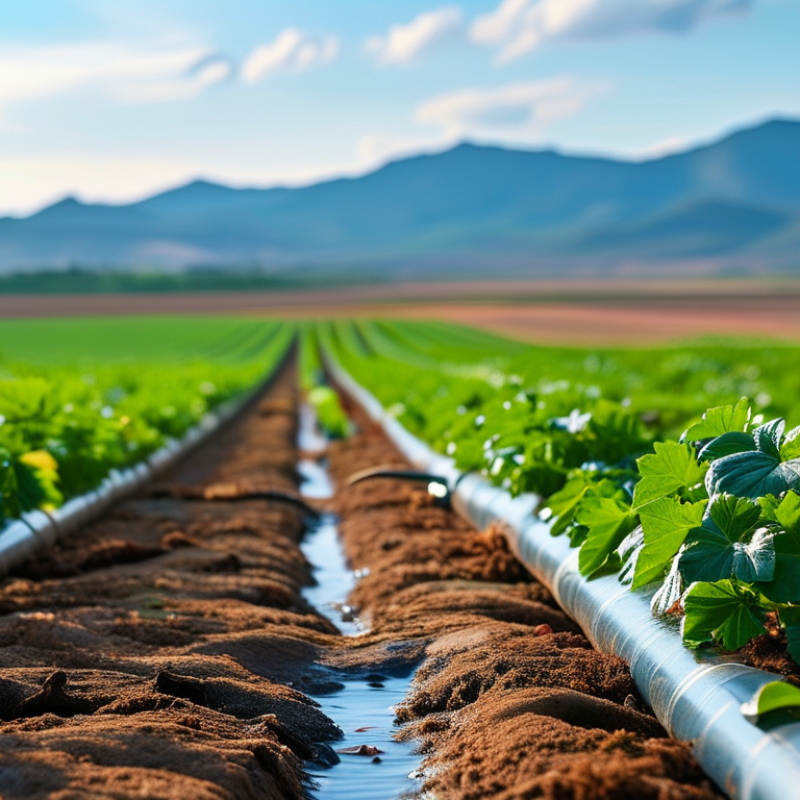
Table of Contents [Hide]
What Is a Drip Hose and How Does It Work?
What Is a Drip Hose and How Does It Work?
A drip hose is a flexible irrigation line that delivers water slowly near plant roots. Unlike a sprinkler, it wets a narrow strip instead of the entire field. Small outlets, called emitters, release measured water through the hose wall. Common spacing includes 20, 30, or 40 centimeters, depending on crop needs.
Water enters through a filter, pressure regulator, and main connector. The filter protects emitters from sand, algae, and other particles. The regulator keeps pressure stable, often between 0.7 and 1.2 bar for low-pressure systems. Inside the hose, water moves along the tube and exits through each emitter. Pressure-compensating emitters help maintain similar flow on sloping ground. Non-compensating types usually suit level beds and shorter runs.
Farm inspections show that installation quality matters as much as hose selection. Lay the line with emitters facing upward or sideways, not directly into loose soil. Flush the open ends before closing them. Tiny debris can reduce flow within days. Check wetting patterns after irrigation; dry patches may indicate clogged outlets, excessive length, or weak pressure. It is easy to overwater when the surface looks dry. Roots may still be receiving enough moisture below. Porous hoses can work well for garden rows, but their output may become uneven over time. That limitation deserves attention. Temperature, water quality, crop spacing, and sunlight exposure should guide the final hose choice.
2026 Top Drip Hose Types for Global Buyers? - What Is a Drip Hose and How Does It Work?
A drip hose is a low-pressure irrigation tube that delivers water directly to the soil near plant roots through built-in emitters, perforations, or porous walls. The following comparison summarizes common drip hose types and typical technical ranges used in agricultural, horticultural, landscape, and residential irrigation projects.
| Drip Hose Type | Typical Construction | Common Diameter / Thickness | Outlet or Emitter Pattern | Typical Operating Pressure | Typical Flow | Best-Fit Applications | Main Buying Considerations |
|---|---|---|---|---|---|---|---|
| Drip Tape | Thin-wall polyethylene tape with factory-formed labyrinth emitters | 16–22 mm outside diameter; approximately 0.10–0.38 mm wall thickness | 10–60 cm spacing; pressure-compensating versions are less common | About 0.4–0.8 bar | Approximately 0.6–1.6 L/h per outlet | Annual vegetables, row crops, nurseries, and short seasonal projects | Low purchase cost, careful filtration, installation handling, and seasonal replacement |
| Thin-Wall Inline Dripline | Flexible polyethylene tubing with integrated non-pressure-compensating emitters | 12–20 mm outside diameter; approximately 0.40–0.70 mm wall thickness | 15–60 cm spacing; commonly 0.6–2.0 L/h emitters | About 0.6–1.0 bar | Approximately 0.6–2.0 L/h per emitter | Vegetable beds, greenhouse crops, flower beds, and small orchards | Good balance of cost and durability; check maximum lateral length and slope sensitivity |
| Thick-Wall Inline Dripline | Heavy polyethylene tubing with integrated emitters designed for repeated use | 16–25 mm outside diameter; approximately 0.90–1.50 mm wall thickness | 20–100 cm spacing; pressure-compensating or non-compensating options | About 0.8–1.5 bar | Approximately 0.8–3.0 L/h per emitter | Orchards, vineyards, perennial crops, landscapes, and multi-season systems | Higher initial cost but improved resistance to handling, sunlight, and repeated installation |
| Pressure-Compensating Dripline | Polyethylene tubing with pressure-compensating diaphragm emitters | 16–25 mm outside diameter; usually 0.80–1.50 mm wall thickness | 30–100 cm spacing; stable nominal flow over a defined pressure range | About 0.8–3.5 bar, depending on emitter design | Approximately 1.0–3.8 L/h per emitter | Sloping land, long rows, orchards, vineyards, and uneven terrain | Higher uniformity, but buyers should verify pressure range, flushing design, and filtration requirements |
| Online Emitter Hose | Plain polyethylene tubing fitted with separate barbed or inserted emitters | 12–25 mm outside diameter; wall thickness commonly 0.70–1.50 mm | Emitter locations can be customized; typical spacing is 20–150 cm | About 0.7–2.5 bar | Approximately 1.0–8.0 L/h per emitter | Container plants, irregular plant spacing, landscaping, and retrofit systems | Flexible layout and easy repair; requires careful punching, fitting, and emitter placement |
| Porous Soaker Hose | Porous rubber, recycled elastomer, or porous polymer wall that releases water continuously | 12–19 mm outside diameter; wall thickness varies by material | Continuous seepage rather than fixed emitters | About 0.3–0.7 bar | Flow is commonly specified per hose length rather than per emitter | Home gardens, raised beds, borders, and short low-pressure runs | Simple installation, but water distribution can vary with pressure, hose length, and terrain |
| Subsurface Dripline | Buried polyethylene dripline with integrated emitters and root-intrusion protection options | 16–25 mm outside diameter; approximately 0.90–1.50 mm wall thickness | 20–60 cm spacing for many row-crop and landscape designs | About 0.8–2.0 bar | Approximately 0.8–2.3 L/h per emitter | Turf, permanent beds, orchards, vineyards, and water-conservation projects | Requires filtration, flushing, accurate depth control, leak detection, and root-management planning |
| Micro-Tubing with Remote Emitters | Small distribution tubing connected to adjustable, button, or pot emitters | 3–8 mm outside diameter distribution tubing | One or more remote emitters per plant or container | About 0.7–2.0 bar | Approximately 0.5–8.0 L/h per outlet | Greenhouses, nurseries, hanging baskets, containers, and mixed plant layouts | Very precise placement; inspect connectors and outlets regularly for clogging or disconnection |
Buyer’s technical checklist: Select a hose according to crop spacing, soil texture, field slope, lateral length, operating pressure, filtration quality, flushing access, UV exposure, and whether the system will be installed for one season or multiple years. The ranges shown are typical design values; actual performance depends on tubing geometry, emitter design, water temperature, filtration, and installation conditions.

© Copyright - Pro Tool & Supply - Site by SVM E-Marketing Solutions - Sitemap
- Privacy policy