- Products
- Air Compressors & Air Tools
- Climate Control
- Compaction Equipment
- Concrete Cutting Tools & Equipment
- Concrete and Masonry
- Demolition & Excavation
- Electrical & Mechanical
- Fasteners and Anchoring Adhesives
- Floor Protection
- Generators and Welders
- Hand Tools
- Heaters
- Janitorial and Office Supplies
- Jobsite Protection
- Ladders & Storage
- Lighting & Lighting Accessories
- Man Lifts
- Material Handling Equipment
- Power Tools
- Pressure Washers & Pumps
- Safety Gear
- Safety Products
- Saws
- Surface Preparation
- SEASONAL PRODUCTS
- Rentals
- Air Compressor and Air Tool Rentals
- Climate Control Rental
- Compaction Rentals
- Concrete Equipment Rentals
- Demolition & Excavation Equipment Rentals
- Concrete Floor Grinder Rentals
- General Construction Equipment Rentals
- Generator Rentals and Welder Rentals
- Heater Rentals
- Light Tower Rentals
- Man Lift Rentals in Massachusetts and Rhode Island
- Material Handling Equipment Rentals
- Pressure Washer & Pump Rentals
- Saw Rentals in New England
- SEASONAL PRODUCTS
- Products
- Air Compressors & Air Tools
- Climate Control
- Compaction Equipment
- Concrete Cutting Tools & Equipment
- Demolition & Excavation
- Electrical & Mechanical
- Floor Protection
- Generators and Welders
- Construction Heaters
- Construction Ladders, Staging, & Storage
- Construction Lighting
- Man Lifts
- Material Handling Equipment
- Industrial Janitorial and Office Supplies
- Pressure Washers & Pumps
- Construction Safety Products
- Construction Safety Gear
- Surface Preparation
- Building Protection
- Diesel Accessories
- Zero Emissions
- Rentals
- Air Compressor and Air Tool Rentals
- Climate Control Rental
- Compaction Rentals
- Concrete Equipment Rental
- Demolition & Excavation Equipment Rental
- General Construction Equipment Rental
- Generator Rentals and Welder Rentals
- Construction Heaters Rental
- Light Tower Rentals
- Man Lift Rentals
- Material Handling Equipment Rental
- Pressure Washer & Pump Rentals
- Saw Rentals in New England
- Concrete Floor Grinder Rentals
- Zero Emissions Rentals
- Repairs & Used
- Parts
- Blog
- Services
- Resources
- About Us
- Contact Us
Sales & Rental of Construction | Industrial Equipment & Supplies

2026 Best NBR Seal Kit for Global Buyers?
Choosing the right Nbr Seal Kit in 2026 requires more than comparing prices. Global buyers must examine material quality, sealing performance, and supplier reliability. A kit that looks suitable online may fail under heat, pressure, or repeated movement. Small details matter.
Nitrile rubber, commonly called NBR, performs well with many mineral oils, fuels, and hydraulic fluids. However, it is not ideal for every chemical or temperature range. Buyers should check the manufacturer’s compatibility chart before approving an order. A typical evaluation includes operating temperature, pressure, shaft speed, media exposure, and storage conditions. Dimensions must also match the original seal profile. One millimeter can matter.
Reliable suppliers should provide traceable batch information, technical datasheets, inspection records, and clear packaging details. This evidence helps purchasing teams compare factories fairly across different countries. It also reduces confusion during customs clearance and quality inspections. Certifications can support confidence, but they should be verified rather than accepted blindly. That part is often overlooked.
This guide examines practical selection criteria for the 2026 market. It considers standard kits, custom requirements, replacement intervals, and total ownership cost. Experienced maintenance teams know that the cheapest kit may create expensive downtime. Still, no single product suits every machine. Application data remains essential. Some recommendations may need revision after field testing, especially where temperature cycles, unusual fluids, or long storage periods are involved. A careful buyer should question assumptions, request samples, and confirm performance before placing a large global order.
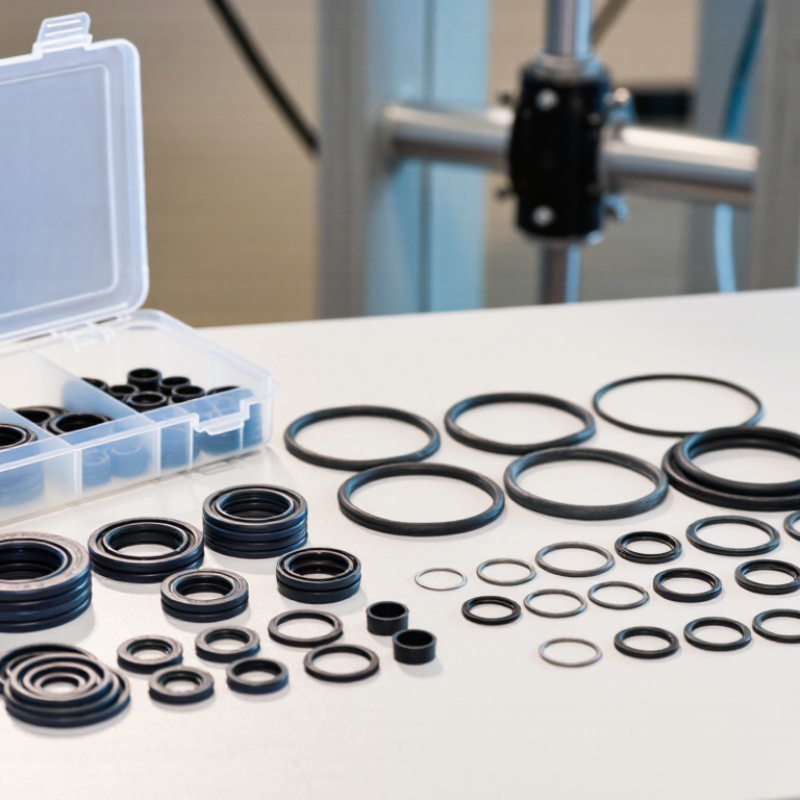
Table of Contents [Hide]
NBR Seal Kits Explained: ASTM D2000, ISO 3601, and Material Basics
2026 Best NBR Seal Kit for Global Buyers?
NBR seal kits rely on more than a rubber name. NBR, or nitrile rubber, balances oil resistance, wear resistance, and cost. Its acrylonitrile content changes performance. Higher content improves oil resistance but may reduce low-temperature flexibility. Temperature limits also depend on the compound, not only the NBR label. This detail is often missed.
ASTM D2000 helps specify rubber performance through hardness, tensile strength, elongation, heat aging, compression set, and fluid resistance. It is a material classification system, not a complete guarantee for every application. ISO 3601 focuses on O-ring dimensions, tolerances, and quality levels. Confirm the required series, cross-section, and acceptance class before purchasing. A kit can look correct while using the wrong size.
Tips: Measure the groove and old seal with clean tools. Check the batch number, production date, storage history, and test documentation. Match the compound to oil type, pressure, temperature, and movement. Do not assume black rubber means identical performance. In real maintenance work, rushed measurements cause many leaks. I would also recheck compressed seals, because they can hide an incorrect cross-section. Supplier documents should support the stated ASTM and ISO requirements. Still, independent inspection may be necessary when failure affects safety or costly equipment.
© Copyright - Pro Tool & Supply - Site by SVM E-Marketing Solutions - Sitemap
- Privacy policy