- Products
- Air Compressors & Air Tools
- Climate Control
- Compaction Equipment
- Concrete Cutting Tools & Equipment
- Concrete and Masonry
- Demolition & Excavation
- Electrical & Mechanical
- Fasteners and Anchoring Adhesives
- Floor Protection
- Generators and Welders
- Hand Tools
- Heaters
- Janitorial and Office Supplies
- Jobsite Protection
- Ladders & Storage
- Lighting & Lighting Accessories
- Man Lifts
- Material Handling Equipment
- Power Tools
- Pressure Washers & Pumps
- Safety Gear
- Safety Products
- Saws
- Surface Preparation
- SEASONAL PRODUCTS
- Rentals
- Air Compressor and Air Tool Rentals
- Climate Control Rental
- Compaction Rentals
- Concrete Equipment Rentals
- Demolition & Excavation Equipment Rentals
- Concrete Floor Grinder Rentals
- General Construction Equipment Rentals
- Generator Rentals and Welder Rentals
- Heater Rentals
- Light Tower Rentals
- Man Lift Rentals in Massachusetts and Rhode Island
- Material Handling Equipment Rentals
- Pressure Washer & Pump Rentals
- Saw Rentals in New England
- SEASONAL PRODUCTS
- Products
- Air Compressors & Air Tools
- Climate Control
- Compaction Equipment
- Concrete Cutting Tools & Equipment
- Demolition & Excavation
- Electrical & Mechanical
- Floor Protection
- Generators and Welders
- Construction Heaters
- Construction Ladders, Staging, & Storage
- Construction Lighting
- Man Lifts
- Material Handling Equipment
- Industrial Janitorial and Office Supplies
- Pressure Washers & Pumps
- Construction Safety Products
- Construction Safety Gear
- Surface Preparation
- Building Protection
- Diesel Accessories
- Zero Emissions
- Rentals
- Air Compressor and Air Tool Rentals
- Climate Control Rental
- Compaction Rentals
- Concrete Equipment Rental
- Demolition & Excavation Equipment Rental
- General Construction Equipment Rental
- Generator Rentals and Welder Rentals
- Construction Heaters Rental
- Light Tower Rentals
- Man Lift Rentals
- Material Handling Equipment Rental
- Pressure Washer & Pump Rentals
- Saw Rentals in New England
- Concrete Floor Grinder Rentals
- Zero Emissions Rentals
- Repairs & Used
- Parts
- Blog
- Services
- Resources
- About Us
- Contact Us
Sales & Rental of Construction | Industrial Equipment & Supplies


2026 Top Single Gauge Manifold Buying Guide
Choosing the right Single Gauge Manifold in 2026 requires more than comparing prices or counting included accessories. A dependable manifold should match your service work, refrigerant type, pressure range, and measurement habits. It should also feel stable in your hand, even beside a vibrating outdoor condensing unit.
This guide examines practical features that technicians can verify before buying. We will consider gauge accuracy, valve response, hose construction, connection compatibility, body materials, and readable scale design. Digital models may offer temperature conversion and data logging. Analog models remain useful because they need no batteries. Both options have weaknesses. A digital display can fail in heat, while an analog gauge can drift after repeated impact.
Look for documented calibration information and clear manufacturer support. Check whether the product suits the refrigerants and pressures used in your region. Confirm thread standards before ordering replacement hoses or adapters. Small mismatches create frustrating delays. Safety matters, too. Use equipment rated for the intended pressure and follow the manufacturer’s operating instructions. Protective eyewear and suitable gloves remain sensible choices during routine service.
Real field experience often changes the buying decision. A compact manifold may fit a crowded cabinet better, but short hoses can make access awkward. A rugged case can protect the instrument, although it adds weight. No single design wins every job. This 2026 guide compares those trade-offs carefully, while admitting that product specifications do not always reflect long-term workshop performance. Verify claims, inspect reviews critically, and test calibration regularly. That extra step can prevent expensive mistakes.
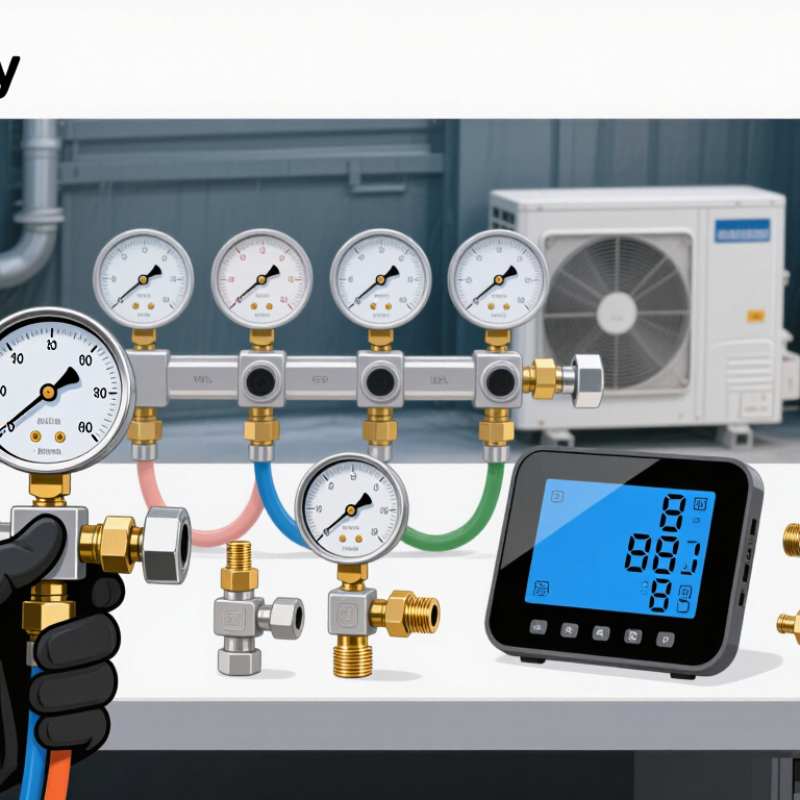
Table of Contents [Hide]
What Is a Single Gauge Manifold and How Does It Work?
A single gauge manifold is a compact HVAC service tool with one pressure gauge and a central valve body. It connects the equipment’s service port to the gauge through a charging hose. When the valve opens, system pressure reaches the gauge. The reading helps technicians assess refrigerant conditions, but pressure alone cannot confirm a correct charge.
Its operation is simple, yet interpretation requires experience. Ambient temperature, refrigerant type, airflow, and compressor operation all affect pressure. The ASHRAE Handbook emphasizes using pressure-temperature relationships with measured operating conditions. A gauge does not measure refrigerant mass. It also cannot replace recovery equipment, leak testing, or temperature readings. The IEA’s The Future of Cooling report projects global cooling demand could more than triple by 2050. Accurate servicing will matter more as equipment use expands.
Tips: Check the refrigerant designation before connecting. Inspect hoses and seals for damage. Record outdoor temperature and gauge pressure together. Keep the hose short and secure. A single-gauge manifold is useful for basic checks, but it has limits. For example, without a separate high-side reading, diagnosis may remain incomplete. That limitation is easy to overlook.
My practical view is simple: use the gauge as one piece of evidence, not the final answer. Calibration records and manufacturer service data should guide any adjustment.

© Copyright - Pro Tool & Supply - Site by SVM E-Marketing Solutions - Sitemap
- Privacy policy