- Products
- Air Compressors & Air Tools
- Climate Control
- Compaction Equipment
- Concrete Cutting Tools & Equipment
- Concrete and Masonry
- Demolition & Excavation
- Electrical & Mechanical
- Fasteners and Anchoring Adhesives
- Floor Protection
- Generators and Welders
- Hand Tools
- Heaters
- Janitorial and Office Supplies
- Jobsite Protection
- Ladders & Storage
- Lighting & Lighting Accessories
- Man Lifts
- Material Handling Equipment
- Power Tools
- Pressure Washers & Pumps
- Safety Gear
- Safety Products
- Saws
- Surface Preparation
- SEASONAL PRODUCTS
- Rentals
- Air Compressor and Air Tool Rentals
- Climate Control Rental
- Compaction Rentals
- Concrete Equipment Rentals
- Demolition & Excavation Equipment Rentals
- Concrete Floor Grinder Rentals
- General Construction Equipment Rentals
- Generator Rentals and Welder Rentals
- Heater Rentals
- Light Tower Rentals
- Man Lift Rentals in Massachusetts and Rhode Island
- Material Handling Equipment Rentals
- Pressure Washer & Pump Rentals
- Saw Rentals in New England
- SEASONAL PRODUCTS
- Products
- Air Compressors & Air Tools
- Climate Control
- Compaction Equipment
- Concrete Cutting Tools & Equipment
- Demolition & Excavation
- Electrical & Mechanical
- Floor Protection
- Generators and Welders
- Construction Heaters
- Construction Ladders, Staging, & Storage
- Construction Lighting
- Man Lifts
- Material Handling Equipment
- Industrial Janitorial and Office Supplies
- Pressure Washers & Pumps
- Construction Safety Products
- Construction Safety Gear
- Surface Preparation
- Building Protection
- Diesel Accessories
- Zero Emissions
- Rentals
- Air Compressor and Air Tool Rentals
- Climate Control Rental
- Compaction Rentals
- Concrete Equipment Rental
- Demolition & Excavation Equipment Rental
- General Construction Equipment Rental
- Generator Rentals and Welder Rentals
- Construction Heaters Rental
- Light Tower Rentals
- Man Lift Rentals
- Material Handling Equipment Rental
- Pressure Washer & Pump Rentals
- Saw Rentals in New England
- Concrete Floor Grinder Rentals
- Zero Emissions Rentals
- Repairs & Used
- Parts
- Blog
- Services
- Resources
- About Us
- Contact Us
Sales & Rental of Construction | Industrial Equipment & Supplies


2026 Top Static Pile Driver Trends for Global Buyers?
In the realm of construction, the Static Pile Driver industry is experiencing significant transformation. As we approach 2026, trends indicate a shift towards innovative technologies and sustainable practices. According to John Smith, a leading expert in the Static Pile Driver sector, “Innovation is crucial for the future of foundation work.” His insights reflect the urgency for buyers to adapt to these evolving trends.
The demand for efficient and eco-friendly solutions is growing. Static Pile Drivers are becoming essential in reducing noise and vibrations. These benefits appeal to projects in urban areas where traditional methods are disruptive. However, not all buyers are aware of these advancements. There is a need for education to help them make informed decisions.
While the future looks promising, challenges remain. Market fluctuations can hinder the adoption of new technologies. Buyers must weigh costs against long-term benefits. As the industry progresses, staying updated on trends is vital for success in the Static Pile Driver market. This evolving landscape invites reflection on both opportunities and obstacles ahead.
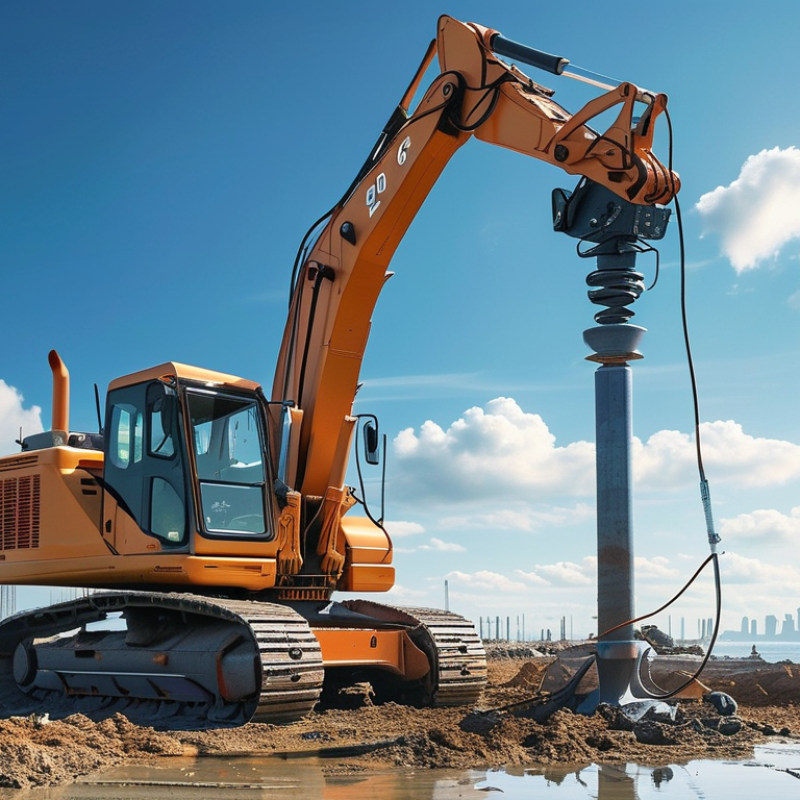
Table of Contents [Hide]
2026 Overview of Static Pile Driver Innovations in the Market
The static pile driver market is evolving rapidly. Innovations are paving the way for better efficiency and sustainability. One significant trend is the integration of advanced sensor technology. These sensors enhance precision and monitor performance in real-time. They help optimize operations, reduce downtime, and increase safety on job sites.
Electric static pile drivers are gaining popularity. They produce less noise and emit fewer pollutants compared to traditional models. As eco-consciousness rises, many buyers favor these models. Battery technology improvements are also making electrification feasible for larger projects. However, charging infrastructure must keep pace with these developments.
Digital tools are shaping the industry landscape. Real-time data analytics offer insights into project management. Yet, many companies struggle to implement these technologies effectively. The complexity of integrating new systems can be daunting. Continuous training and adaptation are essential for teams. As these innovations unfold, a proactive approach will be crucial for staying competitive in 2026.

© Copyright - Pro Tool & Supply - Site by SVM E-Marketing Solutions - Sitemap
- Privacy policy