- Products
- Air Compressors & Air Tools
- Climate Control
- Compaction Equipment
- Concrete Cutting Tools & Equipment
- Concrete and Masonry
- Demolition & Excavation
- Electrical & Mechanical
- Fasteners and Anchoring Adhesives
- Floor Protection
- Generators and Welders
- Hand Tools
- Heaters
- Janitorial and Office Supplies
- Jobsite Protection
- Ladders & Storage
- Lighting & Lighting Accessories
- Man Lifts
- Material Handling Equipment
- Power Tools
- Pressure Washers & Pumps
- Safety Gear
- Safety Products
- Saws
- Surface Preparation
- SEASONAL PRODUCTS
- Rentals
- Air Compressor and Air Tool Rentals
- Climate Control Rental
- Compaction Rentals
- Concrete Equipment Rentals
- Demolition & Excavation Equipment Rentals
- Concrete Floor Grinder Rentals
- General Construction Equipment Rentals
- Generator Rentals and Welder Rentals
- Heater Rentals
- Light Tower Rentals
- Man Lift Rentals in Massachusetts and Rhode Island
- Material Handling Equipment Rentals
- Pressure Washer & Pump Rentals
- Saw Rentals in New England
- SEASONAL PRODUCTS
- Products
- Air Compressors & Air Tools
- Climate Control
- Compaction Equipment
- Concrete Cutting Tools & Equipment
- Demolition & Excavation
- Electrical & Mechanical
- Floor Protection
- Generators and Welders
- Construction Heaters
- Construction Ladders, Staging, & Storage
- Construction Lighting
- Man Lifts
- Material Handling Equipment
- Industrial Janitorial and Office Supplies
- Pressure Washers & Pumps
- Construction Safety Products
- Construction Safety Gear
- Surface Preparation
- Building Protection
- Diesel Accessories
- Zero Emissions
- Rentals
- Air Compressor and Air Tool Rentals
- Climate Control Rental
- Compaction Rentals
- Concrete Equipment Rental
- Demolition & Excavation Equipment Rental
- General Construction Equipment Rental
- Generator Rentals and Welder Rentals
- Construction Heaters Rental
- Light Tower Rentals
- Man Lift Rentals
- Material Handling Equipment Rental
- Pressure Washer & Pump Rentals
- Saw Rentals in New England
- Concrete Floor Grinder Rentals
- Zero Emissions Rentals
- Repairs & Used
- Parts
- Blog
- Services
- Resources
- About Us
- Contact Us
Sales & Rental of Construction | Industrial Equipment & Supplies


Top 10 Benefits of HVLS Fans in Adidas Warehouse
In the fast-paced world of logistics and warehousing, efficiency is crucial. HVLS Fans in Adidas Warehouse play a significant role. These large fans improve air circulation, leading to enhanced comfort and productivity. According to John Smith, an HVAC expert with over 15 years of experience, "Proper airflow changes everything in a warehouse setting."
Adidas has recognized these benefits. Implementing HVLS fans reduces energy costs and improves worker satisfaction. However, the success of these fans hinges on optimal placement and maintenance. Overlooking these details can lead to inefficiencies. Smith emphasizes, “Ignoring airflow dynamics can negate the advantages.”
In a spacious warehouse, airflow is vital. Insufficient movement can create hot spots, causing discomfort. Employees may struggle to remain productive under poor conditions. HVLS Fans in Adidas Warehouse address this issue. They provide even airflow, ensuring that employees work in a conducive environment. The impact is evident, but continual evaluation is essential to maximize these benefits.
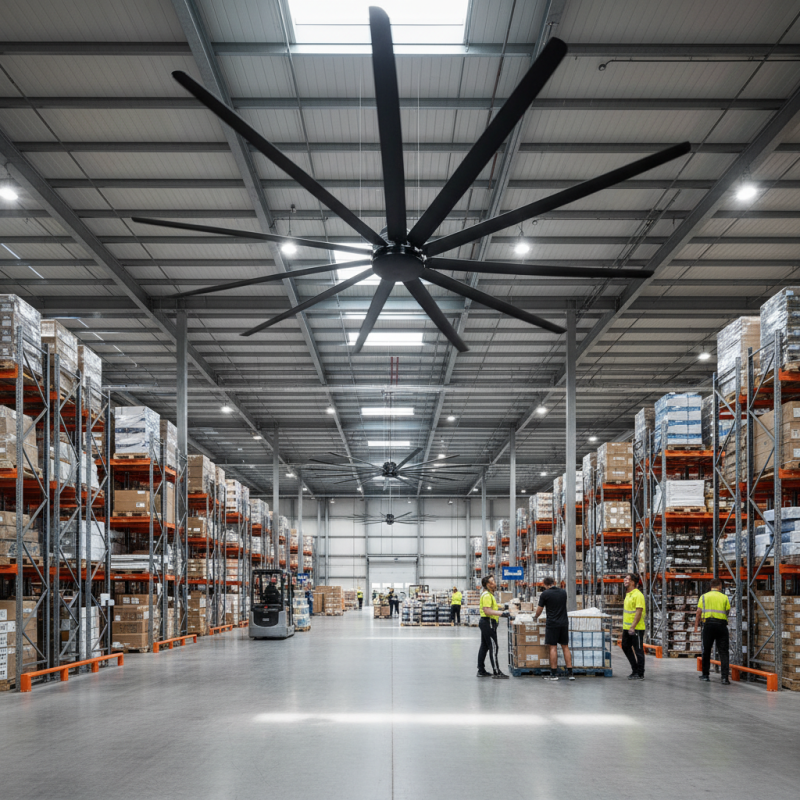
Table of Contents [Hide]
Benefits of HVLS Fans for Temperature Regulation in Adidas Warehouses
In Adidas warehouses, maintaining an ideal temperature is crucial for both employee comfort and product integrity. HVLS (High-Volume, Low-Speed) fans play a vital role in temperature regulation. These fans can move large volumes of air at low speeds, which helps distribute air evenly across vast spaces. According to a report by the American Society of Heating, Refrigerating and Air-Conditioning Engineers, effective air circulation can lower perceived temperature by up to 10 degrees Fahrenheit.
Implementing HVLS fans significantly reduces the reliance on traditional HVAC systems. This leads to substantial energy savings. Data shows that businesses can save up to 30% on cooling costs when using HVLS fans in conjunction with existing systems. However, the initial investment may seem high. It’s essential to weigh these costs against long-term benefits. Many companies overlook this calculation, missing out on potential savings.
Temperature regulation impacts employee productivity directly. Studies indicate that a comfortable working environment can increase productivity by 15%. HVLS fans provide a constant airflow, reducing heat buildup in high-demand areas. Yet, some facilities may not install these fans correctly, leading to uneven air distribution. It’s critical to monitor fan placement and effectiveness regularly to ensure optimal performance.

© Copyright - Pro Tool & Supply - Site by SVM E-Marketing Solutions - Sitemap
- Privacy policy