- Products
- Air Compressors & Air Tools
- Climate Control
- Compaction Equipment
- Concrete Cutting Tools & Equipment
- Concrete and Masonry
- Demolition & Excavation
- Electrical & Mechanical
- Fasteners and Anchoring Adhesives
- Floor Protection
- Generators and Welders
- Hand Tools
- Heaters
- Janitorial and Office Supplies
- Jobsite Protection
- Ladders & Storage
- Lighting & Lighting Accessories
- Man Lifts
- Material Handling Equipment
- Power Tools
- Pressure Washers & Pumps
- Safety Gear
- Safety Products
- Saws
- Surface Preparation
- SEASONAL PRODUCTS
- Rentals
- Air Compressor and Air Tool Rentals
- Climate Control Rental
- Compaction Rentals
- Concrete Equipment Rentals
- Demolition & Excavation Equipment Rentals
- Concrete Floor Grinder Rentals
- General Construction Equipment Rentals
- Generator Rentals and Welder Rentals
- Heater Rentals
- Light Tower Rentals
- Man Lift Rentals in Massachusetts and Rhode Island
- Material Handling Equipment Rentals
- Pressure Washer & Pump Rentals
- Saw Rentals in New England
- SEASONAL PRODUCTS
- Products
- Air Compressors & Air Tools
- Climate Control
- Compaction Equipment
- Concrete Cutting Tools & Equipment
- Demolition & Excavation
- Electrical & Mechanical
- Floor Protection
- Generators and Welders
- Construction Heaters
- Construction Ladders, Staging, & Storage
- Construction Lighting
- Man Lifts
- Material Handling Equipment
- Industrial Janitorial and Office Supplies
- Pressure Washers & Pumps
- Construction Safety Products
- Construction Safety Gear
- Surface Preparation
- Building Protection
- Diesel Accessories
- Zero Emissions
- Rentals
- Air Compressor and Air Tool Rentals
- Climate Control Rental
- Compaction Rentals
- Concrete Equipment Rental
- Demolition & Excavation Equipment Rental
- General Construction Equipment Rental
- Generator Rentals and Welder Rentals
- Construction Heaters Rental
- Light Tower Rentals
- Man Lift Rentals
- Material Handling Equipment Rental
- Pressure Washer & Pump Rentals
- Saw Rentals in New England
- Concrete Floor Grinder Rentals
- Zero Emissions Rentals
- Repairs & Used
- Parts
- Blog
- Services
- Resources
- About Us
- Contact Us
Sales & Rental of Construction | Industrial Equipment & Supplies


What Are the Benefits of Prefabricated Substations for Buyers?
In the rapidly evolving field of energy solutions, the concept of the "Prefabricated Substation" is gaining momentum among industry experts. Dr. Emily Carter, a leading figure in energy infrastructure, emphasizes its advantages: "Prefabricated substations not only save time but also reduce costs significantly." This encapsulates the growing interest from buyers who seek efficiency and reliability.
Prefabricated substations are designed to be compact and modular. They can be deployed quickly, which is crucial for urban developments. This swift installation helps minimize disruptions in densely populated areas. Additionally, their factory-built nature fosters quality control, ensuring that components meet high standards before reaching the site. Yet, buyers must weigh these benefits against potential challenges like integration with existing systems.
Moreover, the flexibility of prefabricated substations offers opportunities for customization. While this can lead to tailored solutions, it may also pose complexities in design and implementation. As the market evolves, understanding these nuances is vital for making informed decisions. Buyers must reflect on both the advantages and the limitations to fully leverage the potential of prefabricated substations.
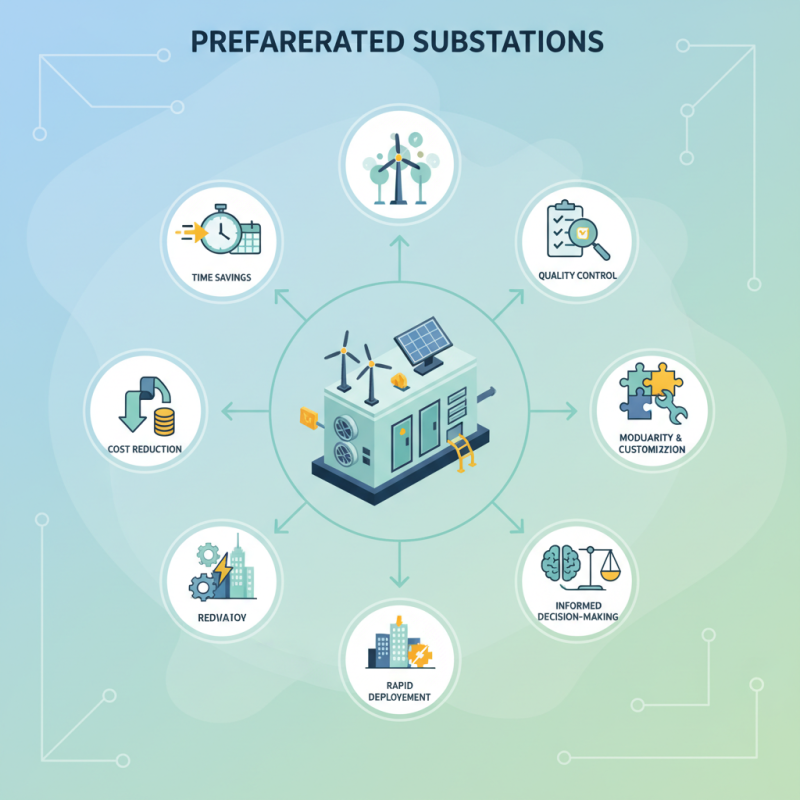
Table of Contents [Hide]
Benefits of Prefabricated Substations for Efficient Power Distribution
Prefabricated substations offer significant advantages for efficient power distribution. They reduce construction time by up to 50%, allowing for quicker installation and operation. According to industry reports, these modular systems can lower overall project costs by approximately 30%, as they minimize on-site labor and material waste. This efficiency is crucial in meeting the growing demand for reliable energy solutions.
One key benefit is their scalability. Prefabricated substations can be easily expanded or modified as energy needs evolve. This adaptability ensures a long-term solution, reducing the need for frequent, costly overhauls. Data suggests that energy infrastructure needs will increase by 24% over the next five years; thus, investing in flexible solutions today can avoid greater expenses later.
Tip: Consider the location and environmental factors when planning installation. Prefabricated substations often come with built-in climate controls, which enhance performance.
Choosing prefabricated substations also contributes to sustainability. Reports indicate that these units can significantly decrease carbon emissions during construction. However, the reliance on prefabrication should be weighed against potential supply chain disruptions. It’s important to ensure that materials are locally sourced when possible. Balancing efficiency with local availability can lead to a more resilient power distribution network.

© Copyright - Pro Tool & Supply - Site by SVM E-Marketing Solutions - Sitemap
- Privacy policy