- Products
- Air Compressors & Air Tools
- Climate Control
- Compaction Equipment
- Concrete Cutting Tools & Equipment
- Concrete and Masonry
- Demolition & Excavation
- Electrical & Mechanical
- Fasteners and Anchoring Adhesives
- Floor Protection
- Generators and Welders
- Hand Tools
- Heaters
- Janitorial and Office Supplies
- Jobsite Protection
- Ladders & Storage
- Lighting & Lighting Accessories
- Man Lifts
- Material Handling Equipment
- Power Tools
- Pressure Washers & Pumps
- Safety Gear
- Safety Products
- Saws
- Surface Preparation
- SEASONAL PRODUCTS
- Rentals
- Air Compressor and Air Tool Rentals
- Climate Control Rental
- Compaction Rentals
- Concrete Equipment Rentals
- Demolition & Excavation Equipment Rentals
- Concrete Floor Grinder Rentals
- General Construction Equipment Rentals
- Generator Rentals and Welder Rentals
- Heater Rentals
- Light Tower Rentals
- Man Lift Rentals in Massachusetts and Rhode Island
- Material Handling Equipment Rentals
- Pressure Washer & Pump Rentals
- Saw Rentals in New England
- SEASONAL PRODUCTS
- Products
- Air Compressors & Air Tools
- Climate Control
- Compaction Equipment
- Concrete Cutting Tools & Equipment
- Demolition & Excavation
- Electrical & Mechanical
- Floor Protection
- Generators and Welders
- Construction Heaters
- Construction Ladders, Staging, & Storage
- Construction Lighting
- Man Lifts
- Material Handling Equipment
- Industrial Janitorial and Office Supplies
- Pressure Washers & Pumps
- Construction Safety Products
- Construction Safety Gear
- Surface Preparation
- Building Protection
- Diesel Accessories
- Zero Emissions
- Rentals
- Air Compressor and Air Tool Rentals
- Climate Control Rental
- Compaction Rentals
- Concrete Equipment Rental
- Demolition & Excavation Equipment Rental
- General Construction Equipment Rental
- Generator Rentals and Welder Rentals
- Construction Heaters Rental
- Light Tower Rentals
- Man Lift Rentals
- Material Handling Equipment Rental
- Pressure Washer & Pump Rentals
- Saw Rentals in New England
- Concrete Floor Grinder Rentals
- Zero Emissions Rentals
- Repairs & Used
- Parts
- Blog
- Services
- Resources
- About Us
- Contact Us
Sales & Rental of Construction | Industrial Equipment & Supplies

7 Best Barcode Inspection Systems for Global Buyers?
Choosing the right Barcode Inspection system is not simply a matter of comparing camera resolution or purchase price. Global buyers must consider print quality, code position, line speed, product variation, lighting, software integration, and service availability. A small unreadable symbol can stop a conveyor, delay shipment, or trigger expensive manual checks. That risk becomes greater when factories operate across multiple countries and packaging formats.
Industry data shows why inspection deserves closer attention. MarketsandMarkets estimated the global barcode scanner market at approximately USD 7.2 billion in 2023, with continued growth expected through 2028. Meanwhile, GS1 emphasizes accurate barcode identification as a foundation for traceability across retail and supply chains. PMMI reports also highlight growing investment in packaging automation, where vision-based verification supports quality control and reduces operator dependence. These reports describe market direction, but they do not identify one universal solution.
This guide examines seven Barcode Inspection systems for global buyers. It compares detection accuracy, scanning speed, reject handling, integration options, maintenance needs, and total ownership costs. Practical details matter, including whether a system reads a glossy pouch under uneven lighting or verifies thousands of cartons during a long production shift. No shortlist is perfect. A premium system may be excessive for a simple line, while a low-cost unit may create hidden labor costs. Buyers should test real samples before approval. That step sounds obvious, yet it is often missed. The final choice should match product risk, production volume, regional support, and future automation plans.
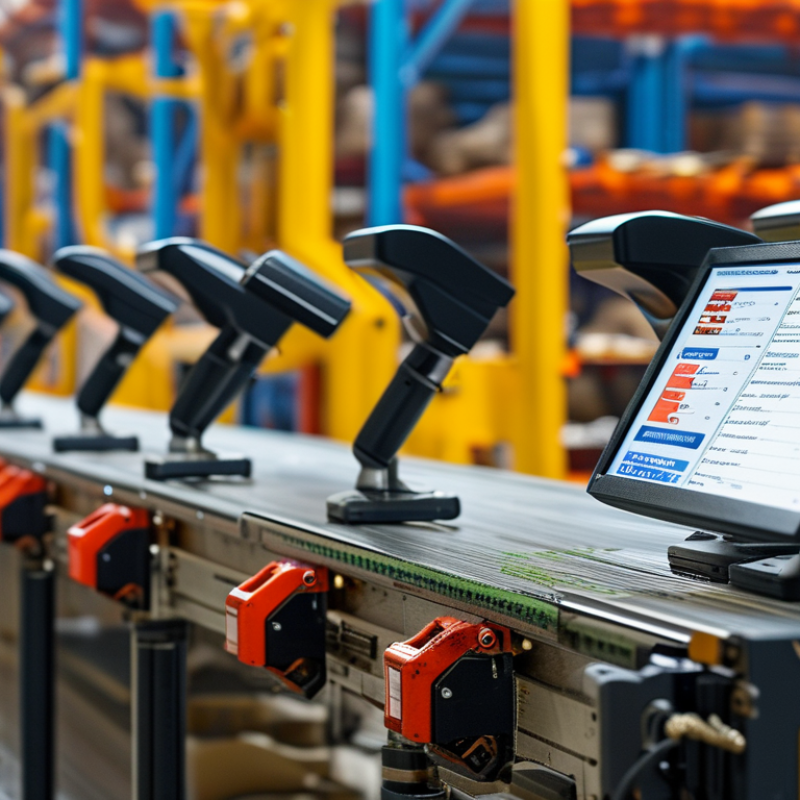
Table of Contents [Hide]
What Is a Barcode Inspection System?
What Is a Barcode Inspection System?
A barcode inspection system checks printed or marked codes during manufacturing, packing, or shipping. It usually combines an industrial camera, controlled lighting, image software, and a trigger sensor. Unlike a basic scanner, it does more than read data. It evaluates contrast, spacing, alignment, missing bars, smudges, and damaged quiet zones. The system can also compare decoded information with a production database. This helps confirm that the correct code appears on the correct product.
In practical use, a camera captures each item as it passes. Software analyzes the image within milliseconds. If the code fails inspection, an output signal can stop the line or activate a reject device. Inspection quality depends on lens choice, lighting angle, print material, speed, and camera position. A glossy pouch may create glare. A curved bottle may distort the code. These details often matter more than headline camera resolution.
Global buyers should request sample testing with real products, not only factory demonstrations. Ask for evidence based on recognized barcode quality methods, such as ISO/IEC verification practices. Check performance across different sizes, colors, temperatures, and printing conditions. Integration with existing conveyors and traceability systems also deserves attention. I have found that simple interfaces reduce operator mistakes. Still, no system is perfect. Dust, vibration, and poor artwork can weaken results. A careful supplier should explain these limits clearly, rather than promise flawless inspection.
© Copyright - Pro Tool & Supply - Site by SVM E-Marketing Solutions - Sitemap
- Privacy policy