- Products
- Air Compressors & Air Tools
- Climate Control
- Compaction Equipment
- Concrete Cutting Tools & Equipment
- Concrete and Masonry
- Demolition & Excavation
- Electrical & Mechanical
- Fasteners and Anchoring Adhesives
- Floor Protection
- Generators and Welders
- Hand Tools
- Heaters
- Janitorial and Office Supplies
- Jobsite Protection
- Ladders & Storage
- Lighting & Lighting Accessories
- Man Lifts
- Material Handling Equipment
- Power Tools
- Pressure Washers & Pumps
- Safety Gear
- Safety Products
- Saws
- Surface Preparation
- SEASONAL PRODUCTS
- Rentals
- Air Compressor and Air Tool Rentals
- Climate Control Rental
- Compaction Rentals
- Concrete Equipment Rentals
- Demolition & Excavation Equipment Rentals
- Concrete Floor Grinder Rentals
- General Construction Equipment Rentals
- Generator Rentals and Welder Rentals
- Heater Rentals
- Light Tower Rentals
- Man Lift Rentals in Massachusetts and Rhode Island
- Material Handling Equipment Rentals
- Pressure Washer & Pump Rentals
- Saw Rentals in New England
- SEASONAL PRODUCTS
- Products
- Air Compressors & Air Tools
- Climate Control
- Compaction Equipment
- Concrete Cutting Tools & Equipment
- Demolition & Excavation
- Electrical & Mechanical
- Floor Protection
- Generators and Welders
- Construction Heaters
- Construction Ladders, Staging, & Storage
- Construction Lighting
- Man Lifts
- Material Handling Equipment
- Industrial Janitorial and Office Supplies
- Pressure Washers & Pumps
- Construction Safety Products
- Construction Safety Gear
- Surface Preparation
- Building Protection
- Diesel Accessories
- Zero Emissions
- Rentals
- Air Compressor and Air Tool Rentals
- Climate Control Rental
- Compaction Rentals
- Concrete Equipment Rental
- Demolition & Excavation Equipment Rental
- General Construction Equipment Rental
- Generator Rentals and Welder Rentals
- Construction Heaters Rental
- Light Tower Rentals
- Man Lift Rentals
- Material Handling Equipment Rental
- Pressure Washer & Pump Rentals
- Saw Rentals in New England
- Concrete Floor Grinder Rentals
- Zero Emissions Rentals
- Repairs & Used
- Parts
- Blog
- Services
- Resources
- About Us
- Contact Us
Sales & Rental of Construction | Industrial Equipment & Supplies


7 Best Fire Resistant Fans for Industrial Use?
Choosing among the 7 Best Fire Resistant Fans for Industrial Use requires more than comparing airflow ratings. A fan may appear powerful, yet fail when heat, dust, vibration, or corrosive fumes combine. The right Fire-Resistant Fan must match the facility’s hazards, operating temperature, duty cycle, and required airflow. Small details matter. Think sealed bearings, spark-resistant construction, motor protection, and accessible inspection points.
Industrial safety scientist James Reason wrote, “We cannot change the human condition, but we can change the conditions under which people work.” That principle applies directly to ventilation design. A reliable fan should reduce ignition risks and support safer working conditions, not simply move air. It must also work within a professionally engineered system.
Performance is only part of the decision.
This guide examines seven industrial fan options through practical criteria, including materials, airflow stability, thermal resistance, maintenance needs, and installation suitability. It also considers real workplace conditions, such as a dusty workshop, a paint-processing area, or a high-temperature plant room. Product claims can sound impressive. They still require careful verification.
No single model is best for every facility. That is worth admitting. Specifications may change, and installation quality can affect results dramatically. Readers should confirm current manufacturer data and consult qualified fire-protection or ventilation professionals before purchasing. A fan alone cannot remove every hazard. However, the right Fire-Resistant Fan can become an important layer of protection when selected, installed, and maintained responsibly.
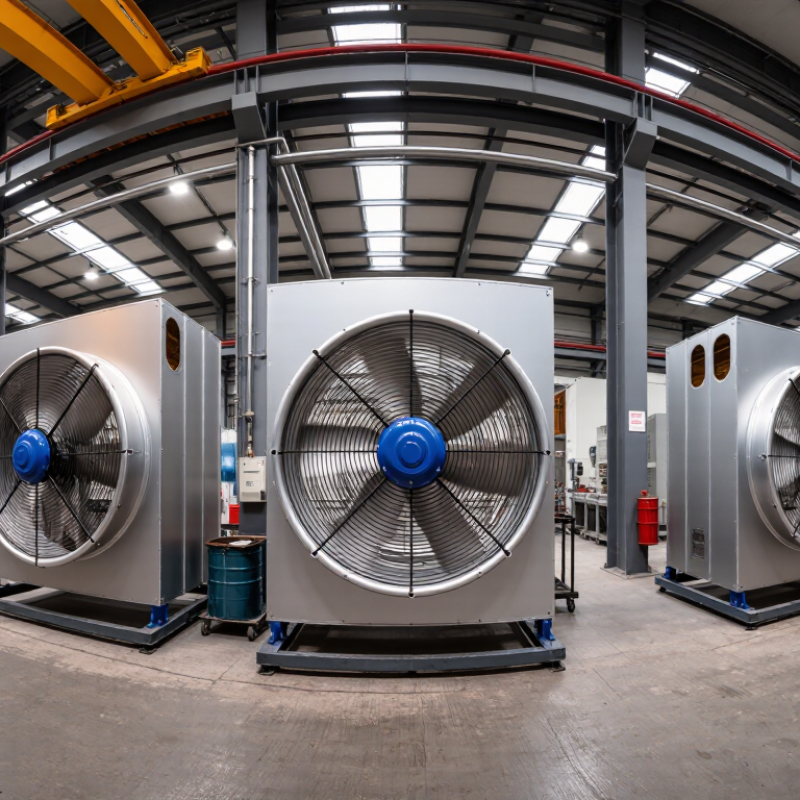
Table of Contents [Hide]
What Makes an Industrial Fan Fire Resistant?
7 Best Fire Resistant Fans for Industrial Use?
What Makes an Industrial Fan Fire Resistant?
A fire-resistant industrial fan is not simply a stronger version of a standard fan. It must limit ignition risks near dust, vapors, heat, or combustible particles. Its housing often uses non-sparking materials, while the impeller needs careful clearance from internal surfaces. Even a small metal contact can create dangerous friction or sparks.
The motor matters just as much. A suitable design may include protected bearings, sealed electrical connections, thermal overload protection, and a temperature rating matched to the work area. Grounding also helps control static electricity during continuous operation. However, “fire resistant” does not mean fireproof. That distinction is easy to overlook.
In practical inspections, engineers check airflow, vibration, surface temperature, and dust buildup. A fan that runs quietly in a clean workshop may behave differently beside a cutting line. Regular cleaning is essential. Poor maintenance can defeat careful construction. Certification for the intended hazardous location should be verified, not assumed.
Material choice also affects reliability. Stainless steel can resist corrosion, while coated steel may suit less aggressive environments. Flexible connections must withstand heat without weakening. The correct fan depends on the hazard assessment, not only on airflow volume. This part is often underestimated. Specifications can look impressive, yet installation errors still create risk. Engineers should review ventilation paths, emergency controls, inspection records, and replacement schedules before approving a unit.

© Copyright - Pro Tool & Supply - Site by SVM E-Marketing Solutions - Sitemap
- Privacy policy