- Products
- Air Compressors & Air Tools
- Climate Control
- Compaction Equipment
- Concrete Cutting Tools & Equipment
- Concrete and Masonry
- Demolition & Excavation
- Electrical & Mechanical
- Fasteners and Anchoring Adhesives
- Floor Protection
- Generators and Welders
- Hand Tools
- Heaters
- Janitorial and Office Supplies
- Jobsite Protection
- Ladders & Storage
- Lighting & Lighting Accessories
- Man Lifts
- Material Handling Equipment
- Power Tools
- Pressure Washers & Pumps
- Safety Gear
- Safety Products
- Saws
- Surface Preparation
- SEASONAL PRODUCTS
- Rentals
- Air Compressor and Air Tool Rentals
- Climate Control Rental
- Compaction Rentals
- Concrete Equipment Rentals
- Demolition & Excavation Equipment Rentals
- Concrete Floor Grinder Rentals
- General Construction Equipment Rentals
- Generator Rentals and Welder Rentals
- Heater Rentals
- Light Tower Rentals
- Man Lift Rentals in Massachusetts and Rhode Island
- Material Handling Equipment Rentals
- Pressure Washer & Pump Rentals
- Saw Rentals in New England
- SEASONAL PRODUCTS
- Products
- Air Compressors & Air Tools
- Climate Control
- Compaction Equipment
- Concrete Cutting Tools & Equipment
- Demolition & Excavation
- Electrical & Mechanical
- Floor Protection
- Generators and Welders
- Construction Heaters
- Construction Ladders, Staging, & Storage
- Construction Lighting
- Man Lifts
- Material Handling Equipment
- Industrial Janitorial and Office Supplies
- Pressure Washers & Pumps
- Construction Safety Products
- Construction Safety Gear
- Surface Preparation
- Building Protection
- Diesel Accessories
- Zero Emissions
- Rentals
- Air Compressor and Air Tool Rentals
- Climate Control Rental
- Compaction Rentals
- Concrete Equipment Rental
- Demolition & Excavation Equipment Rental
- General Construction Equipment Rental
- Generator Rentals and Welder Rentals
- Construction Heaters Rental
- Light Tower Rentals
- Man Lift Rentals
- Material Handling Equipment Rental
- Pressure Washer & Pump Rentals
- Saw Rentals in New England
- Concrete Floor Grinder Rentals
- Zero Emissions Rentals
- Repairs & Used
- Parts
- Blog
- Services
- Resources
- About Us
- Contact Us
Sales & Rental of Construction | Industrial Equipment & Supplies

What Is the Best Lifting Socket Manufacturer in China?
Choosing the best Lifting Socket manufacturer in China requires more than comparing unit prices. It demands evidence of engineering control, material quality, and dependable production. MarketsandMarkets reports that the global material handling equipment market is expanding as warehouses, ports, and factories invest in safer lifting systems. That growth increases demand for load-bearing components with documented performance.
A capable Chinese manufacturer should provide material certificates, dimensional drawings, batch traceability, and test records. Look for forged or machined sockets made from clearly identified alloy steel. The manufacturer should explain heat treatment, surface protection, and inspection procedures in practical terms. Independent testing can verify hardness, tensile strength, proof load, and fatigue resistance. These details matter when a socket carries a suspended mold above a busy production floor.
Standards matter too. ISO 2415 addresses forged shackles, while ISO 898-1 helps evaluate mechanical properties for fasteners. The correct standard depends on the socket design and application. A supplier should never use certification language vaguely. No ranking is perfect. Some online claims remain difficult to verify. Buyers should request recent reports, factory audit evidence, production photographs, and customer references before choosing. The International Trade Centre’s Trade Map can also help review China’s export activity by related product categories, although trade data cannot prove manufacturing quality alone. The strongest candidate combines responsive technical support, stable lead times, transparent inspection, and field experience. Price still matters. It should not be the only answer.
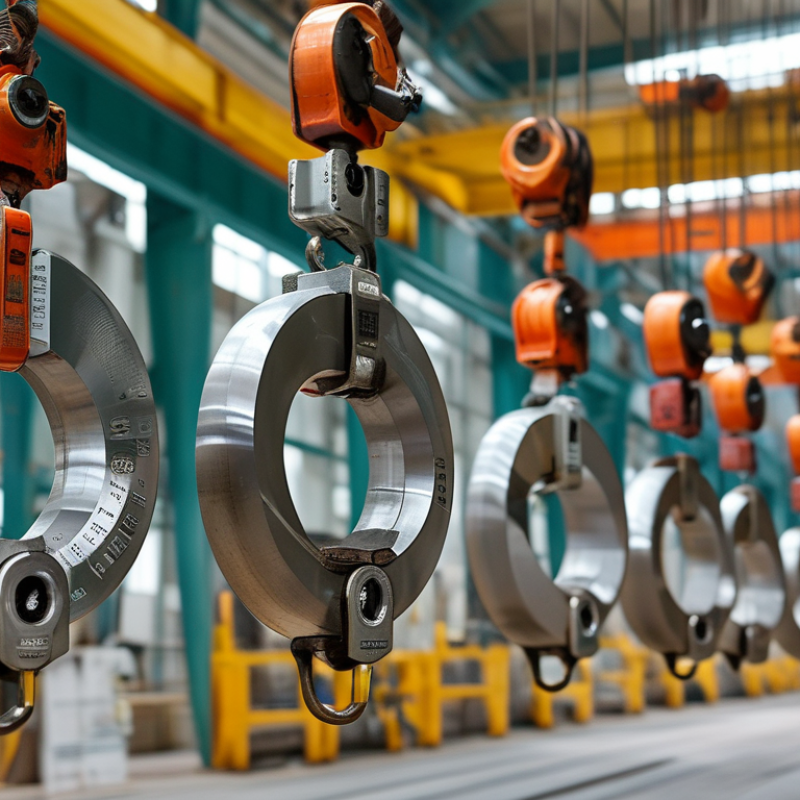
Table of Contents [Hide]
What Is a Lifting Socket and Where Is It Used?
A lifting socket is a metal insert embedded in precast concrete. It creates a threaded or recessed connection for an approved lifting attachment. Workers use it to raise wall panels, stairs, beams, pipes, and smaller concrete units. During production, the socket must sit at the designed depth and angle. Concrete surrounding it needs adequate strength before lifting begins.
Selection depends on load, concrete strength, edge distance, corrosion exposure, and lifting direction. Manufacturers should provide traceable test data, clear installation guidance, and readable load markings. Good technical support matters. An experienced supplier can help match socket geometry with reinforcement and the lifting system. However, no catalogue rating replaces an engineered lifting plan. That point is easy to overlook.
Before each lift, crews should check for damaged threads, bent components, cracks, grout, and unusual wear. Clean engagement is essential. Attachments must fully engage without forced turning. One detail is often underestimated: installation errors can reduce real capacity, even when the socket itself is certified. Field conditions are rarely perfect. Rain, rushed stripping, or misplaced reinforcement can change the risk. Choosing the best lifting socket manufacturer in China requires more than comparing price. Review manufacturing controls, test records, material traceability, and response quality. Some suppliers look convincing online, yet their documentation may be thin. A careful review can expose those gaps before concrete reaches the site.
© Copyright - Pro Tool & Supply - Site by SVM E-Marketing Solutions - Sitemap
- Privacy policy