- Products
- Air Compressors & Air Tools
- Climate Control
- Compaction Equipment
- Concrete Cutting Tools & Equipment
- Concrete and Masonry
- Demolition & Excavation
- Electrical & Mechanical
- Fasteners and Anchoring Adhesives
- Floor Protection
- Generators and Welders
- Hand Tools
- Heaters
- Janitorial and Office Supplies
- Jobsite Protection
- Ladders & Storage
- Lighting & Lighting Accessories
- Man Lifts
- Material Handling Equipment
- Power Tools
- Pressure Washers & Pumps
- Safety Gear
- Safety Products
- Saws
- Surface Preparation
- SEASONAL PRODUCTS
- Rentals
- Air Compressor and Air Tool Rentals
- Climate Control Rental
- Compaction Rentals
- Concrete Equipment Rentals
- Demolition & Excavation Equipment Rentals
- Concrete Floor Grinder Rentals
- General Construction Equipment Rentals
- Generator Rentals and Welder Rentals
- Heater Rentals
- Light Tower Rentals
- Man Lift Rentals in Massachusetts and Rhode Island
- Material Handling Equipment Rentals
- Pressure Washer & Pump Rentals
- Saw Rentals in New England
- SEASONAL PRODUCTS
- Products
- Air Compressors & Air Tools
- Climate Control
- Compaction Equipment
- Concrete Cutting Tools & Equipment
- Demolition & Excavation
- Electrical & Mechanical
- Floor Protection
- Generators and Welders
- Construction Heaters
- Construction Ladders, Staging, & Storage
- Construction Lighting
- Man Lifts
- Material Handling Equipment
- Industrial Janitorial and Office Supplies
- Pressure Washers & Pumps
- Construction Safety Products
- Construction Safety Gear
- Surface Preparation
- Building Protection
- Diesel Accessories
- Zero Emissions
- Rentals
- Air Compressor and Air Tool Rentals
- Climate Control Rental
- Compaction Rentals
- Concrete Equipment Rental
- Demolition & Excavation Equipment Rental
- General Construction Equipment Rental
- Generator Rentals and Welder Rentals
- Construction Heaters Rental
- Light Tower Rentals
- Man Lift Rentals
- Material Handling Equipment Rental
- Pressure Washer & Pump Rentals
- Saw Rentals in New England
- Concrete Floor Grinder Rentals
- Zero Emissions Rentals
- Repairs & Used
- Parts
- Blog
- Services
- Resources
- About Us
- Contact Us
Sales & Rental of Construction | Industrial Equipment & Supplies


10 Best New Construction Tools for Efficient Building in 2026?
As the construction industry evolves, so do the tools that pave the way for innovation. In 2026, "new construction tools" are transforming building processes, enhancing efficiency and safety. James Turner, an industry expert, once said, "Adopting the right tools can change everything in construction." Such tools are not just about modernity; they also address persistent challenges.
Each new iteration of construction tools reflects growing needs. For instance, drones are now common on job sites. They improve site inspections and mapping accuracy. Smart equipment with IoT capabilities can predict maintenance issues before they happen. However, the hurry to adopt these technologies raises questions. Are all workers trained adequately? Is the workforce ready for this rapid change?
Productivity gains from new tools must be weighed against potential downsides. The cost of implementation can be high, and the learning curve steep. Some teams might resist these changes, clinging to traditional methods. Achieving efficiency requires thoughtful integration of new construction tools into existing workflows. Addressing these issues is essential for a successful transition.

Table of Contents
[Hide]
Latest Innovations in Construction Tools for 2026
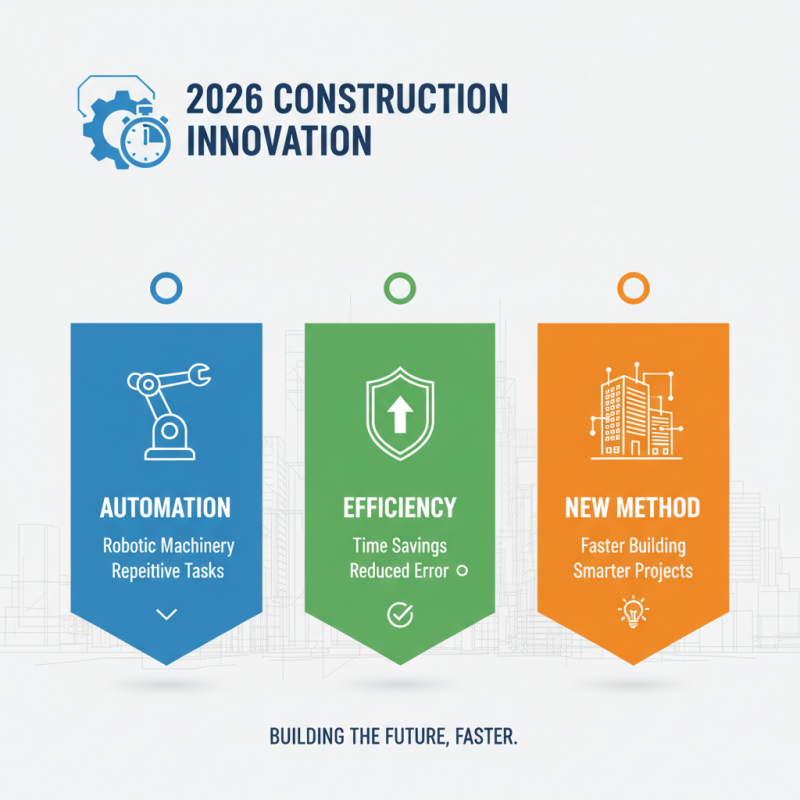
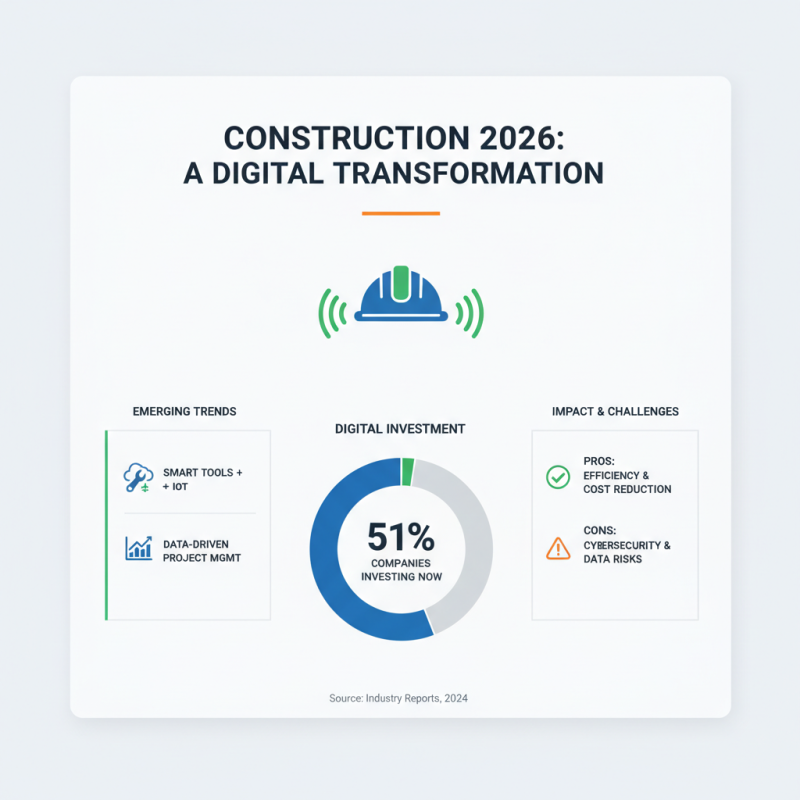
In 2026, the construction industry will witness groundbreaking innovations. New tools promise enhanced efficiency and safety on job sites. One notable trend is the increased use of drones. These flying devices can survey vast areas quickly, reducing the time needed for site evaluation. They capture real-time data that helps in planning and decision-making. However, reliance on drones may require new skills for workers.
Robotics is another exciting development. Automated machines can handle heavy lifting and repetitive tasks. This not only speeds up construction but also minimizes the risk of injuries. Yet, integrating robots into teams might lead to concerns about job displacement. Workers may feel uncertain about their roles in this tech-driven environment.
Smart wearables are gaining traction too. These devices can monitor health and safety metrics in real-time. Construction workers can receive alerts when fatigue levels rise. This technology can foster safer working conditions, but it raises questions about privacy. Balancing efficiency and personal space is a challenge that needs careful consideration. The innovations of 2026 could redefine the future of construction, but reflection on their implications is crucial.
Related Posts
-

2026 How to Select the Best New Construction Tools for Your Projects?
-
Top 5 Essential Contractor Tools for 2025: Boost Your Efficiency Today!
-
How to Choose the Right Concrete Tools for Your DIY Projects: Expert Tips & Trends
-

Top 10 New Tools Transforming Digital Workflows You Need to Know About
-
Top 10 Essential Contractor Tools Every Professional Needs Today?
-
10 Essential Tips for Choosing the Right Electric Power Tools for Your Projects

© Copyright - Pro Tool & Supply - Site by SVM E-Marketing Solutions - Sitemap
- Privacy policy