- Products
- Air Compressors & Air Tools
- Climate Control
- Compaction Equipment
- Concrete Cutting Tools & Equipment
- Concrete and Masonry
- Demolition & Excavation
- Electrical & Mechanical
- Fasteners and Anchoring Adhesives
- Floor Protection
- Generators and Welders
- Hand Tools
- Heaters
- Janitorial and Office Supplies
- Jobsite Protection
- Ladders & Storage
- Lighting & Lighting Accessories
- Man Lifts
- Material Handling Equipment
- Power Tools
- Pressure Washers & Pumps
- Safety Gear
- Safety Products
- Saws
- Surface Preparation
- SEASONAL PRODUCTS
- Rentals
- Air Compressor and Air Tool Rentals
- Climate Control Rental
- Compaction Rentals
- Concrete Equipment Rentals
- Demolition & Excavation Equipment Rentals
- Concrete Floor Grinder Rentals
- General Construction Equipment Rentals
- Generator Rentals and Welder Rentals
- Heater Rentals
- Light Tower Rentals
- Man Lift Rentals in Massachusetts and Rhode Island
- Material Handling Equipment Rentals
- Pressure Washer & Pump Rentals
- Saw Rentals in New England
- SEASONAL PRODUCTS
- Products
- Air Compressors & Air Tools
- Climate Control
- Compaction Equipment
- Concrete Cutting Tools & Equipment
- Demolition & Excavation
- Electrical & Mechanical
- Floor Protection
- Generators and Welders
- Construction Heaters
- Construction Ladders, Staging, & Storage
- Construction Lighting
- Man Lifts
- Material Handling Equipment
- Industrial Janitorial and Office Supplies
- Pressure Washers & Pumps
- Construction Safety Products
- Construction Safety Gear
- Surface Preparation
- Building Protection
- Diesel Accessories
- Zero Emissions
- Rentals
- Air Compressor and Air Tool Rentals
- Climate Control Rental
- Compaction Rentals
- Concrete Equipment Rental
- Demolition & Excavation Equipment Rental
- General Construction Equipment Rental
- Generator Rentals and Welder Rentals
- Construction Heaters Rental
- Light Tower Rentals
- Man Lift Rentals
- Material Handling Equipment Rental
- Pressure Washer & Pump Rentals
- Saw Rentals in New England
- Concrete Floor Grinder Rentals
- Zero Emissions Rentals
- Repairs & Used
- Parts
- Blog
- Services
- Resources
- About Us
- Contact Us
Sales & Rental of Construction | Industrial Equipment & Supplies


Best Regulated Power Supply Options for Your Needs?
When it comes to electronics, choosing the right Regulated Power Supply can be challenging. These supplies ensure stable voltage and current, critical for sensitive devices. Many options exist, each suited for different needs. For hobbyists, a compact unit might suffice. On the other hand, professionals may require robust options for complex projects.
There are various brands and models on the market. Each has unique features, sometimes leading to confusion. It’s essential to consider specifications like output voltage range and load capacity. A high-quality Regulated Power Supply will improve performance and longevity of your devices.
However, not all products live up to their promises. Some buyers face issues with reliability or customer support. It’s important to research and read reviews. Ultimately, the right choice can significantly impact your work.
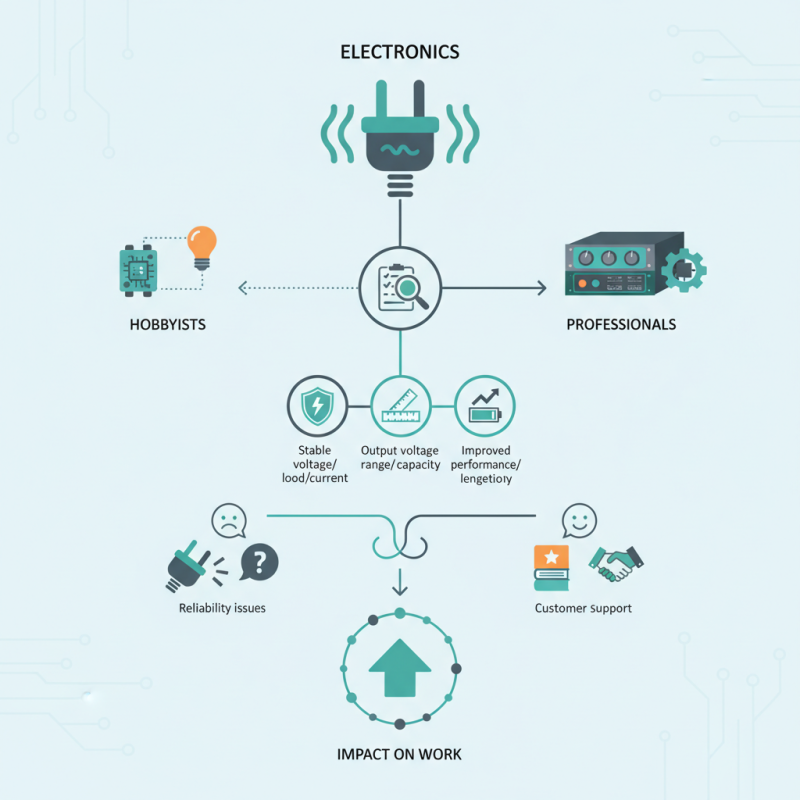
Table of Contents [Hide]
Understanding the Importance of Regulated Power Supplies
Regulated power supplies are crucial for ensuring reliable operation of electronic devices. They provide stable voltage levels, minimizing fluctuations that can harm sensitive components. Fluctuations can lead to device malfunctions or reduce their lifespan. A stable power supply enhances performance and reliability.
When choosing a regulated power supply, it is vital to consider your specific needs. Determine the voltage and current requirements of your devices. Make sure the power supply can handle these specifications. Sometimes, users forget to check compatibility, leading to issues.
Tip: Always review the power rating before purchasing. Selecting a supply with a higher wattage than needed can provide a safety margin. Another tip is to prioritize quality over price. A cheaper supply may save money initially but could end up costing more due to failures. Investing in a reliable power supply ensures long-term performance and durability.

© Copyright - Pro Tool & Supply - Site by SVM E-Marketing Solutions - Sitemap
- Privacy policy