- Products
- Air Compressors & Air Tools
- Climate Control
- Compaction Equipment
- Concrete Cutting Tools & Equipment
- Concrete and Masonry
- Demolition & Excavation
- Electrical & Mechanical
- Fasteners and Anchoring Adhesives
- Floor Protection
- Generators and Welders
- Hand Tools
- Heaters
- Janitorial and Office Supplies
- Jobsite Protection
- Ladders & Storage
- Lighting & Lighting Accessories
- Man Lifts
- Material Handling Equipment
- Power Tools
- Pressure Washers & Pumps
- Safety Gear
- Safety Products
- Saws
- Surface Preparation
- SEASONAL PRODUCTS
- Rentals
- Air Compressor and Air Tool Rentals
- Climate Control Rental
- Compaction Rentals
- Concrete Equipment Rentals
- Demolition & Excavation Equipment Rentals
- Concrete Floor Grinder Rentals
- General Construction Equipment Rentals
- Generator Rentals and Welder Rentals
- Heater Rentals
- Light Tower Rentals
- Man Lift Rentals in Massachusetts and Rhode Island
- Material Handling Equipment Rentals
- Pressure Washer & Pump Rentals
- Saw Rentals in New England
- SEASONAL PRODUCTS
- Products
- Air Compressors & Air Tools
- Climate Control
- Compaction Equipment
- Concrete Cutting Tools & Equipment
- Demolition & Excavation
- Electrical & Mechanical
- Floor Protection
- Generators and Welders
- Construction Heaters
- Construction Ladders, Staging, & Storage
- Construction Lighting
- Man Lifts
- Material Handling Equipment
- Industrial Janitorial and Office Supplies
- Pressure Washers & Pumps
- Construction Safety Products
- Construction Safety Gear
- Surface Preparation
- Building Protection
- Diesel Accessories
- Zero Emissions
- Rentals
- Air Compressor and Air Tool Rentals
- Climate Control Rental
- Compaction Rentals
- Concrete Equipment Rental
- Demolition & Excavation Equipment Rental
- General Construction Equipment Rental
- Generator Rentals and Welder Rentals
- Construction Heaters Rental
- Light Tower Rentals
- Man Lift Rentals
- Material Handling Equipment Rental
- Pressure Washer & Pump Rentals
- Saw Rentals in New England
- Concrete Floor Grinder Rentals
- Zero Emissions Rentals
- Repairs & Used
- Parts
- Blog
- Services
- Resources
- About Us
- Contact Us
Sales & Rental of Construction | Industrial Equipment & Supplies


China Best Modular Container House Manufacturer?
Choosing the China Best Modular Container House Manufacturer? requires more than comparing catalog prices. The right supplier must prove design capability, factory experience, material control, and dependable delivery. A reliable Modular Container House should withstand transport, repeated handling, rain, heat, and daily use. Its steel frame, insulation, electrical system, doors, and fire-resistant finishes deserve close review.
Architect Adam Kalkin, known for pioneering container architecture, said, “I like the idea of taking something that is considered disposable and making it useful.” That idea still matters. However, reuse alone does not guarantee quality. A container shell can look impressive while hiding weak welding, poor insulation, or careless moisture protection. Small details matter. Check the corners.
China offers a deep manufacturing base, flexible customization, and efficient production for modular buildings. Yet experience varies sharply between factories. Buyers should request project photographs, material specifications, factory inspection records, and clear warranty terms. They should also confirm compliance with the destination’s building, electrical, fire, and energy requirements. A professional manufacturer will explain these limits instead of promising everything.
The best comparison includes more than the lowest quotation. Examine engineering drawings, production checkpoints, packaging methods, installation guidance, and after-sales support. Ask how the company handles damaged panels or delayed components. No supplier is perfect. A thoughtful choice recognizes that weakness early, then builds practical safeguards into the contract. This guide examines the qualities that separate a dependable Chinese Modular Container House manufacturer from a merely attractive seller.
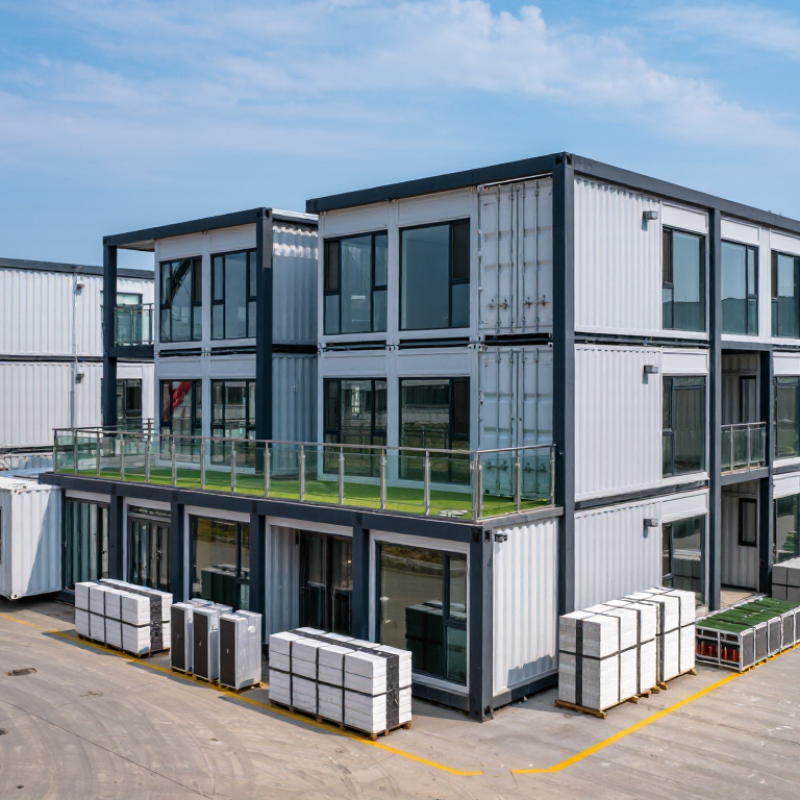
Table of Contents [Hide]
What Defines a Leading Modular Container House Manufacturer in China?
A leading modular container house manufacturer in China is defined by more than factory size or attractive pricing. Practical experience appears in small details, such as accurate corner casting, clean welds, sealed roof joints, and doors that remain square after transport. Engineers should understand regional wind, snow, seismic, insulation, and fire requirements. They should also provide clear structural drawings and material specifications before production begins.
Quality control must be visible, not promised vaguely. Reliable manufacturers inspect steel thickness, coating coverage, welding points, electrical systems, plumbing connections, and insulation density. Factory records, sample approvals, and loading photographs help buyers trace each stage. Independent testing can verify fire performance, thermal resistance, and structural safety. A capable technical team also explains what can be customized without weakening the frame.
Transparency matters most when a project becomes difficult. A responsible manufacturer reports delays, material substitutions, and design limits early. No supplier is perfect. A prototype may reveal condensation near a bathroom wall or unexpected transport damage. That is not failure alone; ignoring the lesson is worse. Manufacturers that revise ventilation, drainage, packaging, or installation instructions show genuine professionalism. After-sales support should include replacement procedures, assembly guidance, and practical responses from people who understand the product. Cost still matters, but dependable performance is usually measured after the first storm, not during the quotation stage.

© Copyright - Pro Tool & Supply - Site by SVM E-Marketing Solutions - Sitemap
- Privacy policy