- Products
- Air Compressors & Air Tools
- Climate Control
- Compaction Equipment
- Concrete Cutting Tools & Equipment
- Concrete and Masonry
- Demolition & Excavation
- Electrical & Mechanical
- Fasteners and Anchoring Adhesives
- Floor Protection
- Generators and Welders
- Hand Tools
- Heaters
- Janitorial and Office Supplies
- Jobsite Protection
- Ladders & Storage
- Lighting & Lighting Accessories
- Man Lifts
- Material Handling Equipment
- Power Tools
- Pressure Washers & Pumps
- Safety Gear
- Safety Products
- Saws
- Surface Preparation
- SEASONAL PRODUCTS
- Rentals
- Air Compressor and Air Tool Rentals
- Climate Control Rental
- Compaction Rentals
- Concrete Equipment Rentals
- Demolition & Excavation Equipment Rentals
- Concrete Floor Grinder Rentals
- General Construction Equipment Rentals
- Generator Rentals and Welder Rentals
- Heater Rentals
- Light Tower Rentals
- Man Lift Rentals in Massachusetts and Rhode Island
- Material Handling Equipment Rentals
- Pressure Washer & Pump Rentals
- Saw Rentals in New England
- SEASONAL PRODUCTS
- Products
- Air Compressors & Air Tools
- Climate Control
- Compaction Equipment
- Concrete Cutting Tools & Equipment
- Demolition & Excavation
- Electrical & Mechanical
- Floor Protection
- Generators and Welders
- Construction Heaters
- Construction Ladders, Staging, & Storage
- Construction Lighting
- Man Lifts
- Material Handling Equipment
- Industrial Janitorial and Office Supplies
- Pressure Washers & Pumps
- Construction Safety Products
- Construction Safety Gear
- Surface Preparation
- Building Protection
- Diesel Accessories
- Zero Emissions
- Rentals
- Air Compressor and Air Tool Rentals
- Climate Control Rental
- Compaction Rentals
- Concrete Equipment Rental
- Demolition & Excavation Equipment Rental
- General Construction Equipment Rental
- Generator Rentals and Welder Rentals
- Construction Heaters Rental
- Light Tower Rentals
- Man Lift Rentals
- Material Handling Equipment Rental
- Pressure Washer & Pump Rentals
- Saw Rentals in New England
- Concrete Floor Grinder Rentals
- Zero Emissions Rentals
- Repairs & Used
- Parts
- Blog
- Services
- Resources
- About Us
- Contact Us
Sales & Rental of Construction | Industrial Equipment & Supplies


China Top 10 Thread Steel Bar Manufacturers
China’s Thread Steel Bar industry has become an important source for construction, mining, bridge, and infrastructure projects. However, selecting a manufacturer requires more than comparing prices or browsing polished product pages. Thread accuracy matters. Steel grade matters. So does traceability.
This introduction examines ten leading Chinese manufacturers through practical purchasing criteria. These criteria include production capacity, raw-material control, thread geometry, mechanical testing, coupler compatibility, corrosion protection, export experience, and after-sales support. A reliable supplier should provide mill certificates, batch identification, tensile-test results, and clear dimensional tolerances. Factory audits can reveal details that brochures hide, such as uneven threading, poorly protected ends, or inconsistent packaging.
Steel standards specialist John E. Bringas offers a useful principle: “A steel product is only as reliable as the standard and test behind it.” That principle applies directly to Thread Steel Bar procurement. A strong-looking bar can still fail a project requirement if its grade, thread profile, or test documentation is unclear.
Details matter.
The ranking in this article is not absolute. Market data changes. Production lines expand. Export performance may vary by region. Some manufacturers excel at large infrastructure orders, while others serve smaller distributors with faster customization. That difference deserves attention.
Readers should verify current certifications, sample results, delivery records, and contract terms before making a decision. No list can replace technical review. Still, this guide provides a practical starting point for identifying capable Chinese Thread Steel Bar manufacturers and separating dependable evidence from attractive claims.
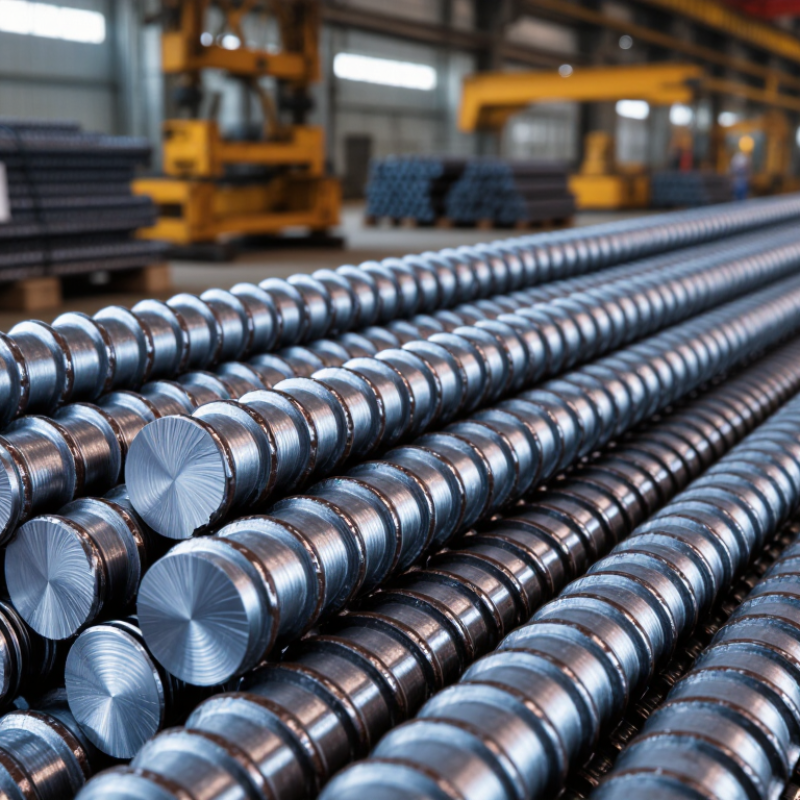
Table of Contents [Hide]
Definition and Applications of Thread Steel Bars
Thread steel bars are high-strength steel rods with continuous external threads along part or all of their length. These threads allow nuts, couplers, plates, and anchors to connect without traditional lap splicing. The system transfers tensile and compressive forces through mechanical engagement. It is widely used in foundations, precast concrete, retaining walls, tunnels, bridges, and ground stabilization. Diameters, thread profiles, steel grades, and surface treatments must match the design requirements.
In construction, threaded bars can simplify installation where space is limited. Workers can cut, join, and tension them with practical tools. Rock anchors use threaded bars to secure unstable slopes and tunnel walls. In concrete structures, couplers create continuous reinforcement across construction joints. However, thread damage, poor alignment, or insufficient embedment can reduce performance. A drawing may look complete, yet field conditions often demand careful adjustment. That detail is easy to underestimate.
Tips: Check mill certificates, thread dimensions, tensile strength, and corrosion protection before delivery. Keep bars covered and separated from standing water. Inspect couplers for full engagement, not just visual contact. Use calibrated torque equipment when the specification requires it. Also, review local structural standards with a qualified engineer; one connection detail can change the entire load path.

© Copyright - Pro Tool & Supply - Site by SVM E-Marketing Solutions - Sitemap
- Privacy policy