- Products
- Air Compressors & Air Tools
- Climate Control
- Compaction Equipment
- Concrete Cutting Tools & Equipment
- Concrete and Masonry
- Demolition & Excavation
- Electrical & Mechanical
- Fasteners and Anchoring Adhesives
- Floor Protection
- Generators and Welders
- Hand Tools
- Heaters
- Janitorial and Office Supplies
- Jobsite Protection
- Ladders & Storage
- Lighting & Lighting Accessories
- Man Lifts
- Material Handling Equipment
- Power Tools
- Pressure Washers & Pumps
- Safety Gear
- Safety Products
- Saws
- Surface Preparation
- SEASONAL PRODUCTS
- Rentals
- Air Compressor and Air Tool Rentals
- Climate Control Rental
- Compaction Rentals
- Concrete Equipment Rentals
- Demolition & Excavation Equipment Rentals
- Concrete Floor Grinder Rentals
- General Construction Equipment Rentals
- Generator Rentals and Welder Rentals
- Heater Rentals
- Light Tower Rentals
- Man Lift Rentals in Massachusetts and Rhode Island
- Material Handling Equipment Rentals
- Pressure Washer & Pump Rentals
- Saw Rentals in New England
- SEASONAL PRODUCTS
- Products
- Air Compressors & Air Tools
- Climate Control
- Compaction Equipment
- Concrete Cutting Tools & Equipment
- Demolition & Excavation
- Electrical & Mechanical
- Floor Protection
- Generators and Welders
- Construction Heaters
- Construction Ladders, Staging, & Storage
- Construction Lighting
- Man Lifts
- Material Handling Equipment
- Industrial Janitorial and Office Supplies
- Pressure Washers & Pumps
- Construction Safety Products
- Construction Safety Gear
- Surface Preparation
- Building Protection
- Diesel Accessories
- Zero Emissions
- Rentals
- Air Compressor and Air Tool Rentals
- Climate Control Rental
- Compaction Rentals
- Concrete Equipment Rental
- Demolition & Excavation Equipment Rental
- General Construction Equipment Rental
- Generator Rentals and Welder Rentals
- Construction Heaters Rental
- Light Tower Rentals
- Man Lift Rentals
- Material Handling Equipment Rental
- Pressure Washer & Pump Rentals
- Saw Rentals in New England
- Concrete Floor Grinder Rentals
- Zero Emissions Rentals
- Repairs & Used
- Parts
- Blog
- Services
- Resources
- About Us
- Contact Us
Sales & Rental of Construction | Industrial Equipment & Supplies


Why Choose an Electronic Parking Brake Caliper for Your Vehicle?
In the automotive industry, the shift towards advanced braking technologies is evident. The Electronic Parking Brake Caliper is a significant innovation in this field. According to recent reports from the International Automotive Task Force, over 30% of new vehicles now incorporate electronic parking brake systems. This trend reflects a growing preference for enhanced safety and convenience features.
The Electronic Parking Brake Caliper offers a host of benefits, such as improved vehicle control and space efficiency. These calipers eliminate the need for traditional handbrake systems, allowing for more cabin space. However, their complexity requires expertise in installation and maintenance, raising concerns among DIY enthusiasts.
While the advantages are compelling, challenges persist. The reliance on electronic systems may lead to potential failures, impacting drivers. A thorough understanding of the technology is essential for vehicle owners. The industry continues to explore ways to enhance reliability and performance. Selecting the right Electronic Parking Brake Caliper can make a significant difference in safety and efficiency.
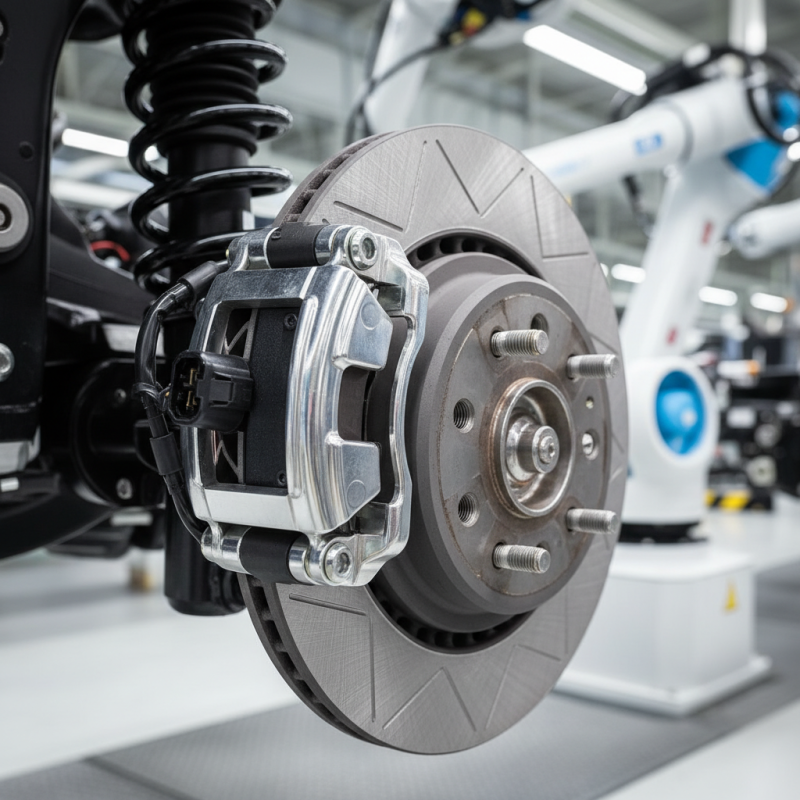
Table of Contents [Hide]
Advantages of Electronic Parking Brake Calipers Over Traditional Systems
Electronic parking brake calipers offer several key advantages over traditional systems. These modern calipers enhance safety and convenience. They engage and disengage with a simple push of a button. This eliminates the need for manual effort, reducing user fatigue. Drivers appreciate how easy it is to operate them, especially in tight parking scenarios.
Additionally, electronic parking brakes contribute to effective vehicle weight reduction. Traditional systems often require bulky components, which can add unnecessary weight. With electronic calipers, manufacturers can streamline design and improve overall vehicle efficiency. This leads to better fuel consumption and lower emissions. As the automotive industry shifts toward sustainability, this aspect becomes increasingly important.
However, these systems are not without their challenges. Some users report occasional malfunctions, which can cause frustration. Maintenance can also be more complex compared to traditional systems. Understanding these drawbacks is key for potential buyers. While electronic parking brake calipers offer notable benefits, balancing convenience with reliability is essential for any vehicle owner.

© Copyright - Pro Tool & Supply - Site by SVM E-Marketing Solutions - Sitemap
- Privacy policy