- Products
- Air Compressors & Air Tools
- Climate Control
- Compaction Equipment
- Concrete Cutting Tools & Equipment
- Concrete and Masonry
- Demolition & Excavation
- Electrical & Mechanical
- Fasteners and Anchoring Adhesives
- Floor Protection
- Generators and Welders
- Hand Tools
- Heaters
- Janitorial and Office Supplies
- Jobsite Protection
- Ladders & Storage
- Lighting & Lighting Accessories
- Man Lifts
- Material Handling Equipment
- Power Tools
- Pressure Washers & Pumps
- Safety Gear
- Safety Products
- Saws
- Surface Preparation
- SEASONAL PRODUCTS
- Rentals
- Air Compressor and Air Tool Rentals
- Climate Control Rental
- Compaction Rentals
- Concrete Equipment Rentals
- Demolition & Excavation Equipment Rentals
- Concrete Floor Grinder Rentals
- General Construction Equipment Rentals
- Generator Rentals and Welder Rentals
- Heater Rentals
- Light Tower Rentals
- Man Lift Rentals in Massachusetts and Rhode Island
- Material Handling Equipment Rentals
- Pressure Washer & Pump Rentals
- Saw Rentals in New England
- SEASONAL PRODUCTS
- Products
- Air Compressors & Air Tools
- Climate Control
- Compaction Equipment
- Concrete Cutting Tools & Equipment
- Demolition & Excavation
- Electrical & Mechanical
- Floor Protection
- Generators and Welders
- Construction Heaters
- Construction Ladders, Staging, & Storage
- Construction Lighting
- Man Lifts
- Material Handling Equipment
- Industrial Janitorial and Office Supplies
- Pressure Washers & Pumps
- Construction Safety Products
- Construction Safety Gear
- Surface Preparation
- Building Protection
- Diesel Accessories
- Zero Emissions
- Rentals
- Air Compressor and Air Tool Rentals
- Climate Control Rental
- Compaction Rentals
- Concrete Equipment Rental
- Demolition & Excavation Equipment Rental
- General Construction Equipment Rental
- Generator Rentals and Welder Rentals
- Construction Heaters Rental
- Light Tower Rentals
- Man Lift Rentals
- Material Handling Equipment Rental
- Pressure Washer & Pump Rentals
- Saw Rentals in New England
- Concrete Floor Grinder Rentals
- Zero Emissions Rentals
- Repairs & Used
- Parts
- Blog
- Services
- Resources
- About Us
- Contact Us
Sales & Rental of Construction | Industrial Equipment & Supplies

How to Choose the Best Stainless Steel Material Screws?
Choosing the right screws is crucial for any construction or DIY project. When it comes to durability and reliability, Stainless Steel Material Screws stand out. Industry expert John Smith, a renowned materials engineer, once stated, "The right screw can make or break your project." His insight emphasizes the importance of selecting the proper materials.
Stainless Steel Material Screws offer numerous advantages. They are resistant to corrosion and can withstand harsh environments. However, not all stainless steel screws are created equal. Understanding the differences in grades and coatings is vital. Many overlook this aspect, leading to potential failures in their applications.
Choosing the best stainless steel material screws requires careful consideration. It's essential to evaluate the specific needs of your project. Factors like load capacity, environment, and longevity should guide your choices. By reflecting on these details, you can ensure that your fasteners are not just the best option but also reliable and effective in the long term.
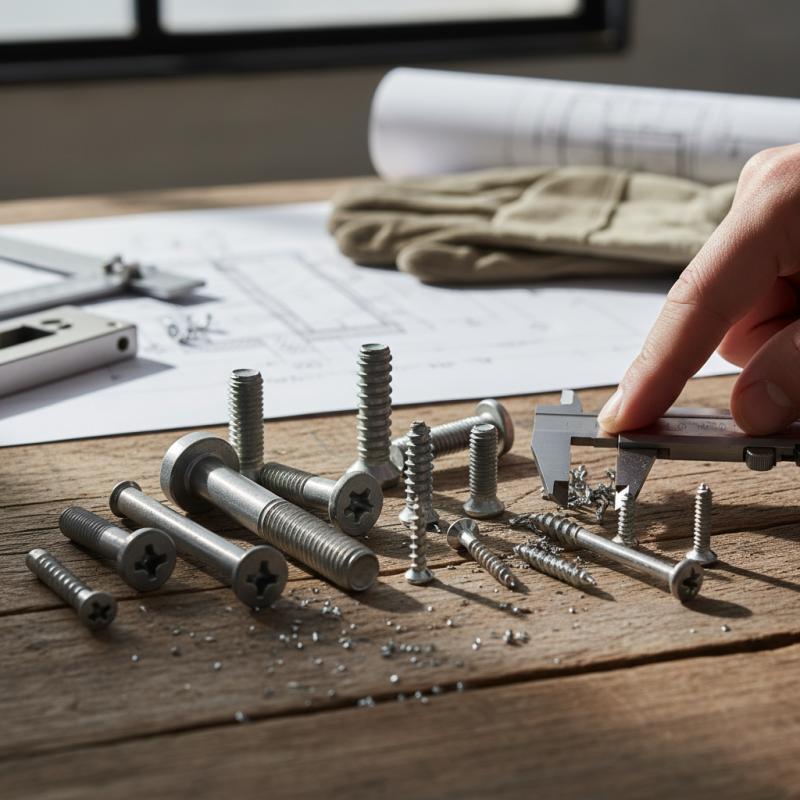
Table of Contents [Hide]
Understanding Different Types of Stainless Steel Materials
When selecting stainless steel screws, understanding the different types of stainless steel is crucial. Stainless steel is categorized mainly into three types: austenitic, ferritic, and martensitic. According to the International Stainless Steel Forum, austenitic stainless steels, such as grades 304 and 316, are most widely used due to their excellent corrosion resistance and formability. In contrast, ferritic types generally have lower corrosion resistance but higher resistance to stress corrosion cracking.
Tips: Consider the environment where the screws will be used. In coastal areas, 316 grade screws may be preferred due to their superior resistance to chlorides. If aesthetics matter, polished stainless steel finishes can enhance visual appeal.
Another factor to weigh is tensile strength. Martensitic stainless steels can be hardened and offer higher strength. However, their corrosion resistance is limited compared to austenitic grades. Always assess the trade-offs between strength and corrosion resistance when choosing your screws.
Tips: Always evaluate the specific requirements of your application. In some scenarios, the lower cost of ferritic screws may be appealing, but consider their limitations in corrosive environments. Understanding these variations helps ensure that the right type of stainless steel screws are chosen for optimal performance.

© Copyright - Pro Tool & Supply - Site by SVM E-Marketing Solutions - Sitemap
- Privacy policy