- Products
- Air Compressors & Air Tools
- Climate Control
- Compaction Equipment
- Concrete Cutting Tools & Equipment
- Concrete and Masonry
- Demolition & Excavation
- Electrical & Mechanical
- Fasteners and Anchoring Adhesives
- Floor Protection
- Generators and Welders
- Hand Tools
- Heaters
- Janitorial and Office Supplies
- Jobsite Protection
- Ladders & Storage
- Lighting & Lighting Accessories
- Man Lifts
- Material Handling Equipment
- Power Tools
- Pressure Washers & Pumps
- Safety Gear
- Safety Products
- Saws
- Surface Preparation
- SEASONAL PRODUCTS
- Rentals
- Air Compressor and Air Tool Rentals
- Climate Control Rental
- Compaction Rentals
- Concrete Equipment Rentals
- Demolition & Excavation Equipment Rentals
- Concrete Floor Grinder Rentals
- General Construction Equipment Rentals
- Generator Rentals and Welder Rentals
- Heater Rentals
- Light Tower Rentals
- Man Lift Rentals in Massachusetts and Rhode Island
- Material Handling Equipment Rentals
- Pressure Washer & Pump Rentals
- Saw Rentals in New England
- SEASONAL PRODUCTS
- Products
- Air Compressors & Air Tools
- Climate Control
- Compaction Equipment
- Concrete Cutting Tools & Equipment
- Demolition & Excavation
- Electrical & Mechanical
- Floor Protection
- Generators and Welders
- Construction Heaters
- Construction Ladders, Staging, & Storage
- Construction Lighting
- Man Lifts
- Material Handling Equipment
- Industrial Janitorial and Office Supplies
- Pressure Washers & Pumps
- Construction Safety Products
- Construction Safety Gear
- Surface Preparation
- Building Protection
- Diesel Accessories
- Zero Emissions
- Rentals
- Air Compressor and Air Tool Rentals
- Climate Control Rental
- Compaction Rentals
- Concrete Equipment Rental
- Demolition & Excavation Equipment Rental
- General Construction Equipment Rental
- Generator Rentals and Welder Rentals
- Construction Heaters Rental
- Light Tower Rentals
- Man Lift Rentals
- Material Handling Equipment Rental
- Pressure Washer & Pump Rentals
- Saw Rentals in New England
- Concrete Floor Grinder Rentals
- Zero Emissions Rentals
- Repairs & Used
- Parts
- Blog
- Services
- Resources
- About Us
- Contact Us
Sales & Rental of Construction | Industrial Equipment & Supplies


Why Choose a One Phase Transformer for Global Projects?
Why Choose a One Phase Transformer for Global Projects?
Global electrification is expanding unevenly. Remote clinics, irrigation pumps, workshops, housing developments, and small commercial buildings often need dependable single-phase power. The International Energy Agency’s Electricity 2024 report expects global electricity demand to grow strongly through 2026. More demand also means more attention to efficient local distribution. The U.S. Department of Energy reports that distribution transformer losses consume tens of billions of kilowatt-hours annually in the United States. Small efficiency gains matter.
A One Phase Transformer can match these practical conditions. Its compact enclosure fits beside a rural pump or inside a narrow utility room. Its simpler configuration can reduce installation complexity, especially where three-phase capacity is unnecessary. Correct voltage ratio, frequency, insulation class, cooling method, and local grid standards remain essential. One choice does not fit every project.
Transformer engineering author Martin J. Heathcote states, “The transformer is one of the most reliable pieces of electrical equipment.” That reliability depends on design discipline, not optimism. IEC 60076 provides the principal international framework for transformer performance and testing, while regional requirements may still differ. Engineers must verify altitude, ambient temperature, lightning exposure, load cycles, and spare-parts access before approval. A catalogue rating can look perfect on paper, yet fail under dusty, humid, or overloaded conditions. That is the uncomfortable part.
For global projects, the strongest decision combines efficiency data, field experience, maintainability, and verified compliance. A One Phase Transformer is not merely a smaller transformer. It is a focused solution for specific electrical realities.
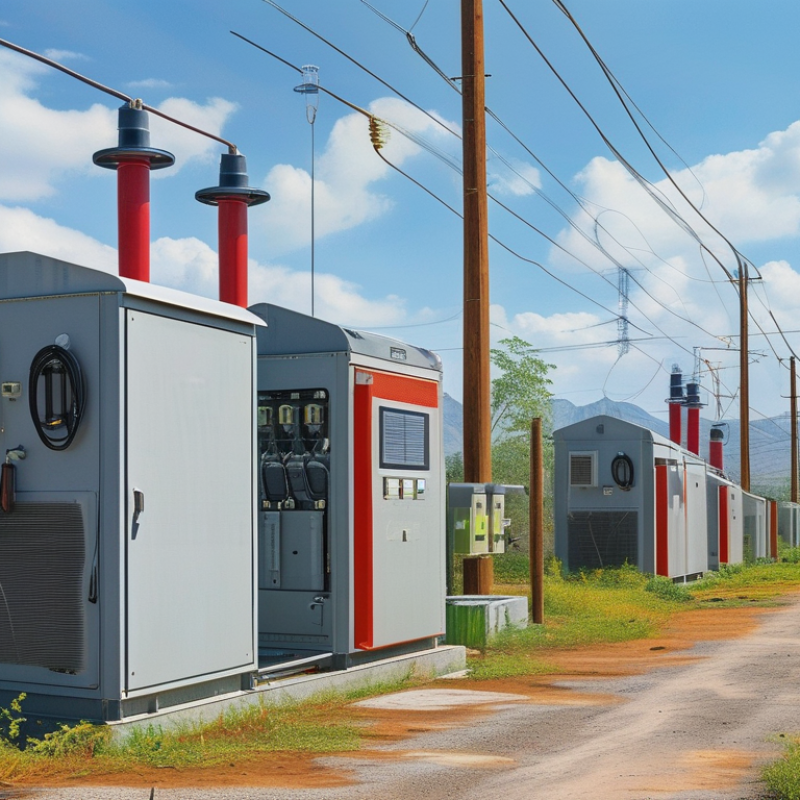
Table of Contents [Hide]
What Is a Single-Phase Transformer?
A single-phase transformer transfers electrical energy between circuits through electromagnetic induction. It changes voltage without changing frequency. In practical terms, it can reduce medium voltage to the level required by a small building, pump, lighting panel, or remote control system.
Its construction is comparatively simple: one primary winding, one secondary winding, a magnetic core, insulation, and protective housing. A 230-volt secondary may supply residential equipment, while a higher-voltage primary connects to a distribution network. The rating is usually expressed in kVA, not kilowatts, because transformer loading includes power factor effects. IEC 60076-1 establishes the core terminology and testing framework for power transformers. Engineers still need to check phase balance, ambient temperature, installation altitude, and inrush current. Small details matter.
The U.S. Department of Energy’s 2023 technical support analysis estimated that distribution transformers consume about 61 billion kWh annually in the United States. This figure shows why efficiency deserves attention, even for modest installations. The IEA’s Electricity 2024 report also recorded a 2.2% increase in global electricity demand during 2023, adding pressure to distribution equipment. Single-phase units suit many global projects because they are compact, adaptable, and easier to replace in decentralized networks. However, choosing one only because it costs less can be a mistake. A neat specification may still fail under harmonics, uneven loading, or severe outdoor conditions. Field experience often exposes that gap.

© Copyright - Pro Tool & Supply - Site by SVM E-Marketing Solutions - Sitemap
- Privacy policy