- Products
- Air Compressors & Air Tools
- Climate Control
- Compaction Equipment
- Concrete Cutting Tools & Equipment
- Concrete and Masonry
- Demolition & Excavation
- Electrical & Mechanical
- Fasteners and Anchoring Adhesives
- Floor Protection
- Generators and Welders
- Hand Tools
- Heaters
- Janitorial and Office Supplies
- Jobsite Protection
- Ladders & Storage
- Lighting & Lighting Accessories
- Man Lifts
- Material Handling Equipment
- Power Tools
- Pressure Washers & Pumps
- Safety Gear
- Safety Products
- Saws
- Surface Preparation
- SEASONAL PRODUCTS
- Rentals
- Air Compressor and Air Tool Rentals
- Climate Control Rental
- Compaction Rentals
- Concrete Equipment Rentals
- Demolition & Excavation Equipment Rentals
- Concrete Floor Grinder Rentals
- General Construction Equipment Rentals
- Generator Rentals and Welder Rentals
- Heater Rentals
- Light Tower Rentals
- Man Lift Rentals in Massachusetts and Rhode Island
- Material Handling Equipment Rentals
- Pressure Washer & Pump Rentals
- Saw Rentals in New England
- SEASONAL PRODUCTS
- Products
- Air Compressors & Air Tools
- Climate Control
- Compaction Equipment
- Concrete Cutting Tools & Equipment
- Demolition & Excavation
- Electrical & Mechanical
- Floor Protection
- Generators and Welders
- Construction Heaters
- Construction Ladders, Staging, & Storage
- Construction Lighting
- Man Lifts
- Material Handling Equipment
- Industrial Janitorial and Office Supplies
- Pressure Washers & Pumps
- Construction Safety Products
- Construction Safety Gear
- Surface Preparation
- Building Protection
- Diesel Accessories
- Zero Emissions
- Rentals
- Air Compressor and Air Tool Rentals
- Climate Control Rental
- Compaction Rentals
- Concrete Equipment Rental
- Demolition & Excavation Equipment Rental
- General Construction Equipment Rental
- Generator Rentals and Welder Rentals
- Construction Heaters Rental
- Light Tower Rentals
- Man Lift Rentals
- Material Handling Equipment Rental
- Pressure Washer & Pump Rentals
- Saw Rentals in New England
- Concrete Floor Grinder Rentals
- Zero Emissions Rentals
- Repairs & Used
- Parts
- Blog
- Services
- Resources
- About Us
- Contact Us
Sales & Rental of Construction | Industrial Equipment & Supplies

How to Choose a 12 Volt Marine Toilet in 2026?
Choosing a 12 Volt Marine Toilet in 2026 requires more than checking price, voltage, and bowl design. The toilet must match your boat’s electrical system, plumbing layout, holding tank, and cruising habits. A compact unit may fit beside a narrow berth, yet its pump could demand more current than an aging battery bank can provide. That detail matters offshore.
Ed Sherman, a respected marine systems educator and ABYC instructor, has said, “A marine toilet is only as reliable as the system supporting it.” His point remains practical. A dependable 12 Volt Marine Toilet needs correctly sized wiring, protected connections, a suitable fuse, and enough battery capacity for repeated flushing. Hose routing also deserves attention. Sharp bends can encourage blockages, while poor ventilation may create unpleasant odors inside a warm cabin.
This guide examines real purchasing decisions for 2026. It considers flush performance, noise, water consumption, installation space, service access, and long-term maintenance. Some buyers focus too heavily on the pump. I have made that mistake myself. The quietest model is not always the best choice. A simple unit with accessible parts may serve a family cruiser better than a sophisticated model with expensive proprietary components.
Expect trade-offs. Every boat has limits. The right toilet should work comfortably during ordinary trips, tolerate occasional misuse, and remain serviceable when the nearest marine supplier is far away. Reliability is not a marketing phrase. It is the difference between a calm weekend and a very unpleasant repair job.
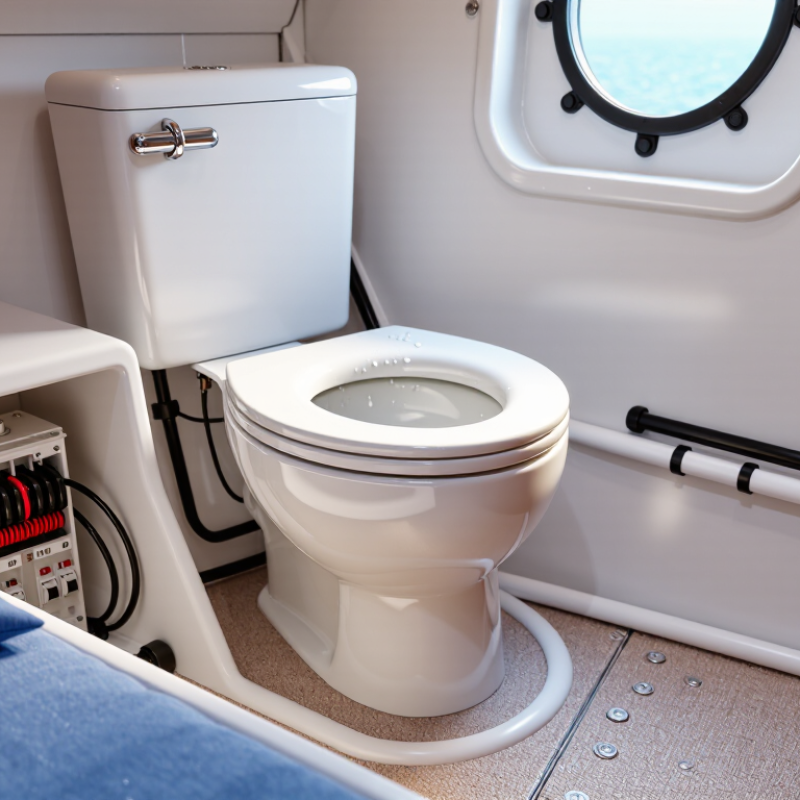
Table of Contents [Hide]
Define 12V Marine Toilets: Macerator, Flush, and USCG Type III Systems
How to Choose a 12 Volt Marine Toilet in 2026?
A 12 volt marine toilet usually combines an electric flush mechanism with a holding system. The flush type controls how water moves through the bowl. A macerator toilet uses rotating blades to break waste into a pumpable mixture. This supports narrower discharge lines, but the motor may draw significant current. It also needs careful inspection when paper, wipes, or foreign objects enter the bowl.
A USCG Type III system is different. It describes waste retention, not a specific toilet design. Waste remains inside a certified holding tank until legal pump-out service is available. The installation normally includes a vent, tank-level access, secure hoses, and a deck pump-out fitting. During my equipment checks, hose routing often caused more trouble than the toilet itself. Sharp bends can restrict flow and create unpleasant odors. Tank capacity also matters. A small tank fills quickly with several passengers aboard.
Tips: Match the toilet’s amperage to your battery and wiring. Check the pump’s service access before installation. Choose a tank with enough capacity for your usual trips, but avoid guessing. A realistic usage log is more reliable. Keep spare fuses, approved hose clamps, and a manual flush option nearby. That small backup can matter when voltage drops at anchor.
© Copyright - Pro Tool & Supply - Site by SVM E-Marketing Solutions - Sitemap
- Privacy policy