- Products
- Air Compressors & Air Tools
- Climate Control
- Compaction Equipment
- Concrete Cutting Tools & Equipment
- Concrete and Masonry
- Demolition & Excavation
- Electrical & Mechanical
- Fasteners and Anchoring Adhesives
- Floor Protection
- Generators and Welders
- Hand Tools
- Heaters
- Janitorial and Office Supplies
- Jobsite Protection
- Ladders & Storage
- Lighting & Lighting Accessories
- Man Lifts
- Material Handling Equipment
- Power Tools
- Pressure Washers & Pumps
- Safety Gear
- Safety Products
- Saws
- Surface Preparation
- SEASONAL PRODUCTS
- Rentals
- Air Compressor and Air Tool Rentals
- Climate Control Rental
- Compaction Rentals
- Concrete Equipment Rentals
- Demolition & Excavation Equipment Rentals
- Concrete Floor Grinder Rentals
- General Construction Equipment Rentals
- Generator Rentals and Welder Rentals
- Heater Rentals
- Light Tower Rentals
- Man Lift Rentals in Massachusetts and Rhode Island
- Material Handling Equipment Rentals
- Pressure Washer & Pump Rentals
- Saw Rentals in New England
- SEASONAL PRODUCTS
- Products
- Air Compressors & Air Tools
- Climate Control
- Compaction Equipment
- Concrete Cutting Tools & Equipment
- Demolition & Excavation
- Electrical & Mechanical
- Floor Protection
- Generators and Welders
- Construction Heaters
- Construction Ladders, Staging, & Storage
- Construction Lighting
- Man Lifts
- Material Handling Equipment
- Industrial Janitorial and Office Supplies
- Pressure Washers & Pumps
- Construction Safety Products
- Construction Safety Gear
- Surface Preparation
- Building Protection
- Diesel Accessories
- Zero Emissions
- Rentals
- Air Compressor and Air Tool Rentals
- Climate Control Rental
- Compaction Rentals
- Concrete Equipment Rental
- Demolition & Excavation Equipment Rental
- General Construction Equipment Rental
- Generator Rentals and Welder Rentals
- Construction Heaters Rental
- Light Tower Rentals
- Man Lift Rentals
- Material Handling Equipment Rental
- Pressure Washer & Pump Rentals
- Saw Rentals in New England
- Concrete Floor Grinder Rentals
- Zero Emissions Rentals
- Repairs & Used
- Parts
- Blog
- Services
- Resources
- About Us
- Contact Us
Sales & Rental of Construction | Industrial Equipment & Supplies


2026 How to Choose the Best Cutting Tools for Your Projects?
Choosing the right cutting tools is crucial for project success. In the manufacturing industry, precision matters. A report by Grand View Research states that the global cutting tools market is expected to reach $34.63 billion by 2025. This growth emphasizes the importance of selecting quality tools for efficiency and productivity.
Cutting tools come in various types, each with distinct features. They can range from traditional hand tools to advanced CNC machinery. Inaccurate tool selection may lead to wasted materials and time. Studies show that improper tool choices can increase production costs by up to 30%.
Reflecting on past projects can guide better decisions in the future. Not all projects demand the same tools; understanding specific needs is vital. The landscape of cutting tools is evolving rapidly. Keeping updated on trends and innovations can ensure that the best options are chosen for any given task.

Table of Contents
[Hide]
Understanding Different Types of Cutting Tools Available in the Market
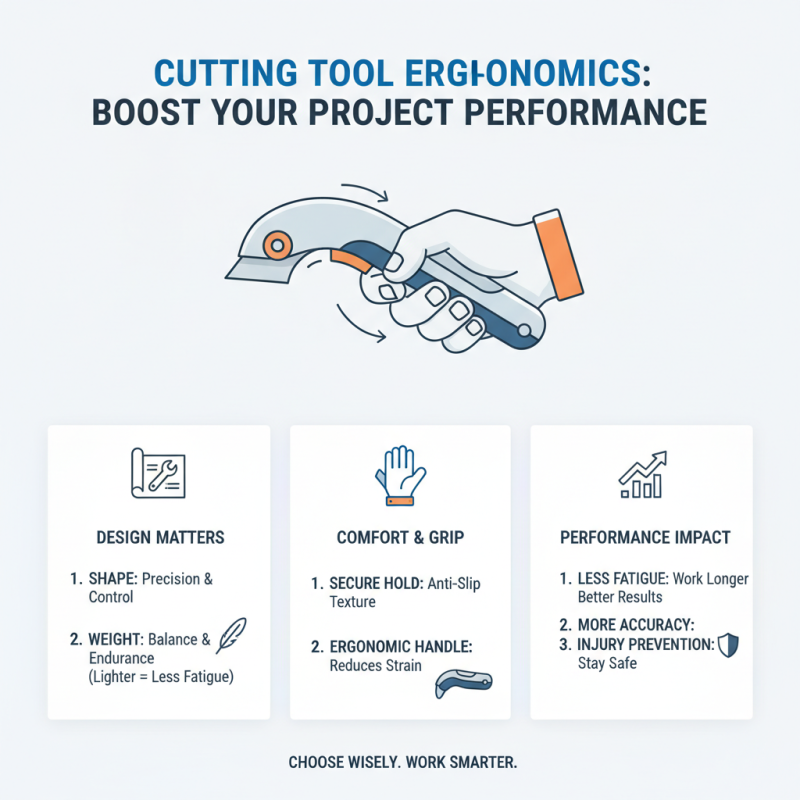
Choosing the right cutting tool is crucial for project success. There are various types available, including saws, knives, and scissors. Each tool has its specific applications. For instance, circular saws excel in making long, straight cuts in wood, while utility knives are ideal for detailed work.
According to a recent industry report, the global cutting tool market is projected to reach $30 billion by 2026. This growth indicates the increasing demand for precision tools across various sectors. Understanding the differences among these tools can help you make better decisions. Not all tools are suitable for every material. Misusing a tool can lead to poor results.
Consider the material you are working with. Some tools are designed specifically for metals, while others work better on softer materials. There’s also a learning curve involved. Many users underestimate the skill required to handle complex cutting tools. Taking time to practice can improve your results significantly.
2026 How to Choose the Best Cutting Tools for Your Projects?
| Type of Cutting Tool | Material | Common Uses | Advantages | Disadvantages |
|---|---|---|---|---|
| Hacksaw | Steel | Cutting metal pipes and rods | Inexpensive, portable | Labor-intensive, slower cutting speed |
| Rotary Cutter | Stainless Steel | Cutting fabric and thin materials | Clean cuts, easy to use | Cutting depth is limited |
| Band Saw | High carbon steel | Cutting wood and metal | Versatile, smooth cuts | Requires power source, more expensive |
| Utility Knife | Carbon steel | General purpose cutting | Compact, easy to handle | Blade replacement required |
| Dremel Tool | High-speed steel | Detail work, carving, engraving | Highly versatile, precision cutting | Can overheat, more costly |
Related Posts
-
The Best Electric Power Tools for Every DIY Enthusiast in 2023
-
What are Machine Tools and How Do They Work?
-

10 Best New Construction Tools for Efficient Building in 2026?
-

Top 10 Concrete Hand Tools Every DIYer Should Have and Tips for Using Them
-

New Tools Tips for Effective Productivity in 2025?
-

Why Work Tools Are Essential for Productivity and Success?

© Copyright - Pro Tool & Supply - Site by SVM E-Marketing Solutions - Sitemap
- Privacy policy