- Products
- Air Compressors & Air Tools
- Climate Control
- Compaction Equipment
- Concrete Cutting Tools & Equipment
- Concrete and Masonry
- Demolition & Excavation
- Electrical & Mechanical
- Fasteners and Anchoring Adhesives
- Floor Protection
- Generators and Welders
- Hand Tools
- Heaters
- Janitorial and Office Supplies
- Jobsite Protection
- Ladders & Storage
- Lighting & Lighting Accessories
- Man Lifts
- Material Handling Equipment
- Power Tools
- Pressure Washers & Pumps
- Safety Gear
- Safety Products
- Saws
- Surface Preparation
- SEASONAL PRODUCTS
- Rentals
- Air Compressor and Air Tool Rentals
- Climate Control Rental
- Compaction Rentals
- Concrete Equipment Rentals
- Demolition & Excavation Equipment Rentals
- Concrete Floor Grinder Rentals
- General Construction Equipment Rentals
- Generator Rentals and Welder Rentals
- Heater Rentals
- Light Tower Rentals
- Man Lift Rentals in Massachusetts and Rhode Island
- Material Handling Equipment Rentals
- Pressure Washer & Pump Rentals
- Saw Rentals in New England
- SEASONAL PRODUCTS
- Products
- Air Compressors & Air Tools
- Climate Control
- Compaction Equipment
- Concrete Cutting Tools & Equipment
- Demolition & Excavation
- Electrical & Mechanical
- Floor Protection
- Generators and Welders
- Construction Heaters
- Construction Ladders, Staging, & Storage
- Construction Lighting
- Man Lifts
- Material Handling Equipment
- Industrial Janitorial and Office Supplies
- Pressure Washers & Pumps
- Construction Safety Products
- Construction Safety Gear
- Surface Preparation
- Building Protection
- Diesel Accessories
- Zero Emissions
- Rentals
- Air Compressor and Air Tool Rentals
- Climate Control Rental
- Compaction Rentals
- Concrete Equipment Rental
- Demolition & Excavation Equipment Rental
- General Construction Equipment Rental
- Generator Rentals and Welder Rentals
- Construction Heaters Rental
- Light Tower Rentals
- Man Lift Rentals
- Material Handling Equipment Rental
- Pressure Washer & Pump Rentals
- Saw Rentals in New England
- Concrete Floor Grinder Rentals
- Zero Emissions Rentals
- Repairs & Used
- Parts
- Blog
- Services
- Resources
- About Us
- Contact Us
Sales & Rental of Construction | Industrial Equipment & Supplies


How to Choose the Best Heavy Cargo Drone?
Choosing a Heavy Cargo Drone is not simply a matter of selecting the largest payload rating. A published figure may describe ideal conditions, not a complete delivery mission. The real decision connects payload, range, weather tolerance, battery reserves, loading time, maintenance, and operational readiness. A drone rated for 100 kilograms may carry much less after batteries, safety equipment, and route margins are included. That difference matters beside a warehouse ramp, where every extra minute can affect labor costs and battery temperature.
Industry forecasts show why buyers need disciplined comparisons. MarketsandMarkets’ Cargo Drones Market report projects strong growth through 2028. Grand View Research also forecasts rapid expansion in the drone logistics and transportation sector through 2030. Their market boundaries and research methods differ, so the figures should not be treated as exact demand. Drone Industry Insights reports likewise highlight commercial applications, fleet economics, and service models, rather than aircraft size alone. The market is growing. The evidence remains uneven.
This guide examines how to compare Heavy Cargo Drone platforms through practical operating questions. Can the aircraft lift its stated load in heat, wind, and rain? How quickly can its batteries be replaced? Is technical support available near the intended route? What happens when a sensor fails? These questions often reveal more than a glossy specification sheet. Buyers should also verify manufacturer test conditions, independent flight data, maintenance records, and applicable aviation requirements. No single report settles the decision. A cautious evaluation may feel slower, but it can prevent an expensive mismatch between impressive specifications and real cargo work.
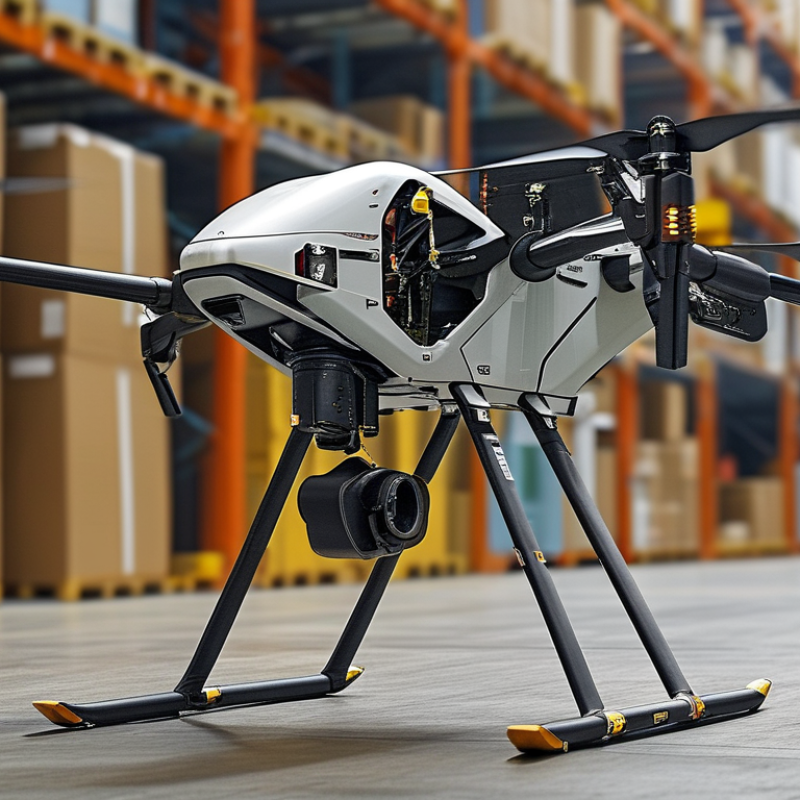
Table of Contents [Hide]
Define the Cargo Mission, Payload Needs, and Operating Environment
How to Choose the Best Heavy Cargo Drone?
Define the Cargo Mission, Payload Needs, and Operating Environment
Choosing a heavy cargo drone starts with the mission, not the aircraft. Define the route, delivery frequency, and required turnaround time. A short construction-site flight differs from a remote medical supply mission. List every cargo item, including packaging, straps, and protective cases. Their combined weight becomes the real payload requirement.
Payload shape matters too. A compact load may fit inside a standard bay, while long pipes need external support. Check the center of gravity before every flight. An uneven load can reduce stability and increase battery use. Leave practical reserve capacity. Maximum payload is not a comfortable operating target.
Weather and terrain can change the decision completely. Strong wind, dust, rain, altitude, and narrow landing areas require careful testing. Measure the launch site, obstacle clearance, and recovery space. Review local aviation rules and operator qualifications before field trials. Keep maintenance records, battery cycles, inspection notes, and delivery logs. Reliable data supports safer choices.
A common mistake is planning around ideal weather. Real operations are rarely ideal. I would test the drone with the heaviest realistic load, not an empty frame. Repeat the route with changing wind conditions. Small issues appear quickly. A weak tie-down, slow battery swap, or poor landing surface may matter more than advertised lifting power.

© Copyright - Pro Tool & Supply - Site by SVM E-Marketing Solutions - Sitemap
- Privacy policy