- Products
- Air Compressors & Air Tools
- Climate Control
- Compaction Equipment
- Concrete Cutting Tools & Equipment
- Concrete and Masonry
- Demolition & Excavation
- Electrical & Mechanical
- Fasteners and Anchoring Adhesives
- Floor Protection
- Generators and Welders
- Hand Tools
- Heaters
- Janitorial and Office Supplies
- Jobsite Protection
- Ladders & Storage
- Lighting & Lighting Accessories
- Man Lifts
- Material Handling Equipment
- Power Tools
- Pressure Washers & Pumps
- Safety Gear
- Safety Products
- Saws
- Surface Preparation
- SEASONAL PRODUCTS
- Rentals
- Air Compressor and Air Tool Rentals
- Climate Control Rental
- Compaction Rentals
- Concrete Equipment Rentals
- Demolition & Excavation Equipment Rentals
- Concrete Floor Grinder Rentals
- General Construction Equipment Rentals
- Generator Rentals and Welder Rentals
- Heater Rentals
- Light Tower Rentals
- Man Lift Rentals in Massachusetts and Rhode Island
- Material Handling Equipment Rentals
- Pressure Washer & Pump Rentals
- Saw Rentals in New England
- SEASONAL PRODUCTS
- Products
- Air Compressors & Air Tools
- Climate Control
- Compaction Equipment
- Concrete Cutting Tools & Equipment
- Demolition & Excavation
- Electrical & Mechanical
- Floor Protection
- Generators and Welders
- Construction Heaters
- Construction Ladders, Staging, & Storage
- Construction Lighting
- Man Lifts
- Material Handling Equipment
- Industrial Janitorial and Office Supplies
- Pressure Washers & Pumps
- Construction Safety Products
- Construction Safety Gear
- Surface Preparation
- Building Protection
- Diesel Accessories
- Zero Emissions
- Rentals
- Air Compressor and Air Tool Rentals
- Climate Control Rental
- Compaction Rentals
- Concrete Equipment Rental
- Demolition & Excavation Equipment Rental
- General Construction Equipment Rental
- Generator Rentals and Welder Rentals
- Construction Heaters Rental
- Light Tower Rentals
- Man Lift Rentals
- Material Handling Equipment Rental
- Pressure Washer & Pump Rentals
- Saw Rentals in New England
- Concrete Floor Grinder Rentals
- Zero Emissions Rentals
- Repairs & Used
- Parts
- Blog
- Services
- Resources
- About Us
- Contact Us
Sales & Rental of Construction | Industrial Equipment & Supplies


How to Choose the Best Tool for Your Needs?
Choosing the right tool tools for your specific needs can be daunting. According to industry expert Sarah Thompson, “The best tools empower you, not overwhelm you.” This highlights the importance of finding tools that complement your workflow without adding unnecessary complexity.
When selecting tool tools, consider usability and functionality. Analyze your projects and the requirements they entail. Think about whether a tool will streamline your tasks or create more confusion. For instance, a design software might be perfect for graphic work but unsuitable for coding tasks. It is essential to reflect on what you truly need.
Moreover, user feedback can provide valuable insights. Many people have faced challenges while using various tools, leading to frustration. A tool should enhance productivity instead of hindering it. Keep an open mind and be willing to rethink your choices if they do not serve you well.

Table of Contents
[Hide]
Identify Your Specific Needs and Requirements
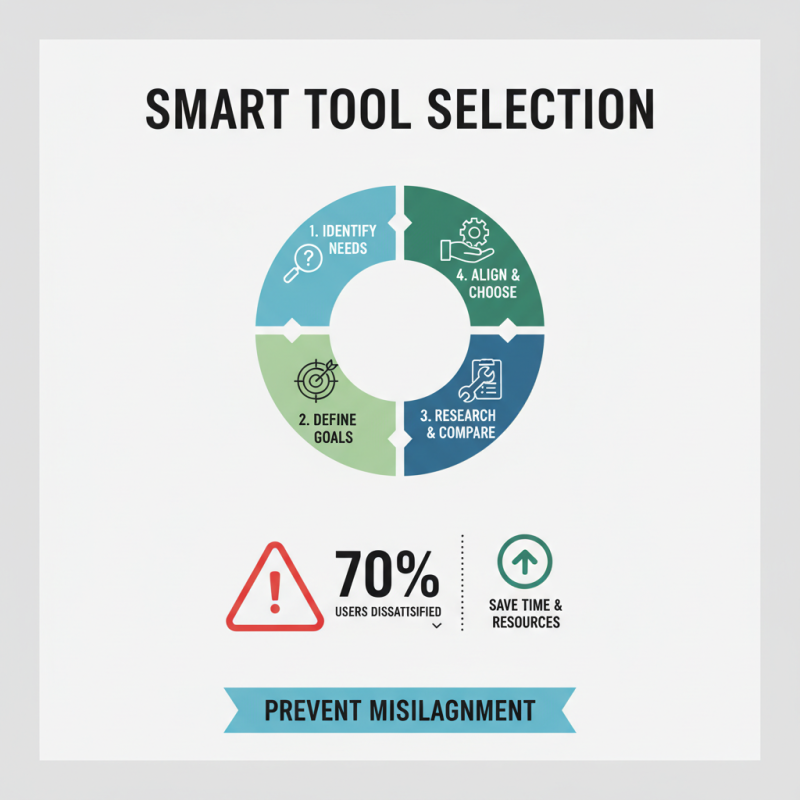
Identifying your specific needs is crucial when choosing the right tool. Many professionals underestimate the importance of this step. Reports indicate that 70% of users end up dissatisfied due to misalignment between tools and their requirements. A clear understanding of your goals can prevent wasted time and resources.
Start by assessing your primary tasks. Are you looking for efficiency, collaboration, or something else? Focus on the features that matter. For instance, a survey revealed that 65% of businesses prioritize user-friendly interfaces over complex functionalities. Don’t just follow trends. Your environment may have unique demands.
Consider potential challenges as well. Not all tools are adaptable. A flexible tool can support changing needs, while a rigid one may cause frustration. Look for options that allow customization. Remember, tool selection impacts productivity. Ignoring specific needs can lead to inefficiencies. Reflect on past experiences where a tool didn’t meet your expectations. It’s a learning curve that shapes effective decision-making.
Related Posts
-

10 Essential Tips for Using All Tools Effectively in Your Projects?
-

Why Are All Tools Essential for Successful Project Management?
-

2026 How to Use All Tools for Maximum Efficiency?
-
Unlocking the Power of All Tools for Everyday Productivity and Creativity
-

Why You Need Professional Tools for Effective Content Creation and Management
-

Top 10 New Tools Transforming Digital Workflows You Need to Know About

© Copyright - Pro Tool & Supply - Site by SVM E-Marketing Solutions - Sitemap
- Privacy policy