- Products
- Air Compressors & Air Tools
- Climate Control
- Compaction Equipment
- Concrete Cutting Tools & Equipment
- Concrete and Masonry
- Demolition & Excavation
- Electrical & Mechanical
- Fasteners and Anchoring Adhesives
- Floor Protection
- Generators and Welders
- Hand Tools
- Heaters
- Janitorial and Office Supplies
- Jobsite Protection
- Ladders & Storage
- Lighting & Lighting Accessories
- Man Lifts
- Material Handling Equipment
- Power Tools
- Pressure Washers & Pumps
- Safety Gear
- Safety Products
- Saws
- Surface Preparation
- SEASONAL PRODUCTS
- Rentals
- Air Compressor and Air Tool Rentals
- Climate Control Rental
- Compaction Rentals
- Concrete Equipment Rentals
- Demolition & Excavation Equipment Rentals
- Concrete Floor Grinder Rentals
- General Construction Equipment Rentals
- Generator Rentals and Welder Rentals
- Heater Rentals
- Light Tower Rentals
- Man Lift Rentals in Massachusetts and Rhode Island
- Material Handling Equipment Rentals
- Pressure Washer & Pump Rentals
- Saw Rentals in New England
- SEASONAL PRODUCTS
- Products
- Air Compressors & Air Tools
- Climate Control
- Compaction Equipment
- Concrete Cutting Tools & Equipment
- Demolition & Excavation
- Electrical & Mechanical
- Floor Protection
- Generators and Welders
- Construction Heaters
- Construction Ladders, Staging, & Storage
- Construction Lighting
- Man Lifts
- Material Handling Equipment
- Industrial Janitorial and Office Supplies
- Pressure Washers & Pumps
- Construction Safety Products
- Construction Safety Gear
- Surface Preparation
- Building Protection
- Diesel Accessories
- Zero Emissions
- Rentals
- Air Compressor and Air Tool Rentals
- Climate Control Rental
- Compaction Rentals
- Concrete Equipment Rental
- Demolition & Excavation Equipment Rental
- General Construction Equipment Rental
- Generator Rentals and Welder Rentals
- Construction Heaters Rental
- Light Tower Rentals
- Man Lift Rentals
- Material Handling Equipment Rental
- Pressure Washer & Pump Rentals
- Saw Rentals in New England
- Concrete Floor Grinder Rentals
- Zero Emissions Rentals
- Repairs & Used
- Parts
- Blog
- Services
- Resources
- About Us
- Contact Us
Sales & Rental of Construction | Industrial Equipment & Supplies

How to Choose the Best Water Purification System?
Choosing the right Water Purification System is not about buying the most expensive equipment. It is about matching treatment performance to your water source, household needs, and maintenance capacity. Tap water, private well water, and rainwater can contain very different contaminants. A clear glass does not prove that water is safe. Testing comes first.
Water expert Peter Gleick has written, “Water is the most precious resource on Earth.” His statement highlights the responsibility behind every purchasing decision. A reliable system should address confirmed concerns, such as sediment, chlorine, lead, bacteria, or dissolved minerals. Look for independent certifications, including relevant NSF/ANSI standards, and verify the claims carefully. Reverse osmosis can reduce many dissolved substances, while activated carbon often improves taste and odor. Ultraviolet treatment may help control microorganisms, but it does not remove chemicals. Each technology has limits.
Maintenance matters just as much. A neglected filter can become a hidden problem. Check replacement costs, filter life, flow rate, storage capacity, and installation requirements before choosing. The best system is not always the most advanced one. It is the system that works consistently in your actual kitchen. That sounds obvious, but it is often overlooked. Even professional recommendations can be imperfect when water testing is outdated or product claims are vague. This guide will compare practical options, explain essential specifications, and identify warning signs that deserve closer attention. The goal is dependable water, not impressive marketing.
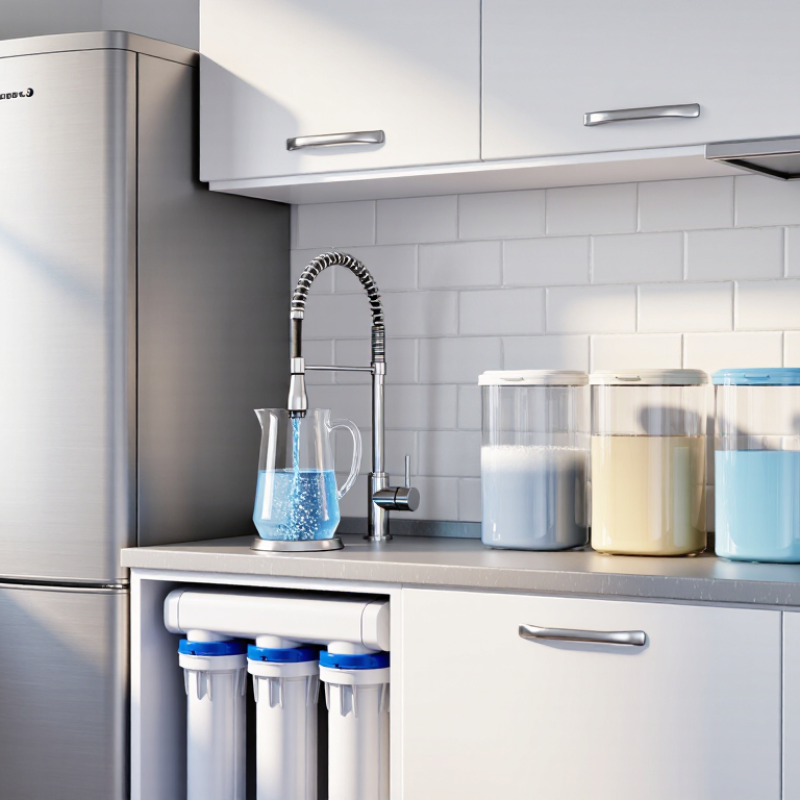
Table of Contents [Hide]
Assess Water Quality Against EPA Maximum Contaminant Levels
How to Choose the Best Water Purification System?
Choosing a water purification system should begin with measured water quality, not attractive product claims. EPA Maximum Contaminant Levels, or MCLs, define enforceable limits for many contaminants in public drinking water. Obtain a recent water quality report from your utility. For private wells, arrange testing through a qualified, accredited laboratory.
Test for lead, arsenic, nitrate, bacteria, and other local concerns. Results need units, sampling dates, and laboratory methods. Without those details, comparisons become unreliable.
Compare each result with the relevant EPA MCL. A result below the limit does not mean the water contains nothing harmful. It indicates compliance under defined testing conditions. Results above an MCL require careful attention and professional guidance.
Some emerging contaminants have health advisories rather than enforceable MCLs. That distinction matters. Do not treat every number as equivalent.
Match the system to the contaminant and its concentration. Activated carbon may reduce certain chemicals, while reverse osmosis can address dissolved substances. Ultraviolet treatment targets microorganisms but does not remove metals.
Check independent performance certification, replacement schedules, flow rate, and waste production. A system that removes lead may not remove nitrate. That mistake is common.
Re-test after installation and follow maintenance instructions. Filters can become less effective when neglected, even when the equipment still looks clean. I would also question a single test result, because sampling errors and changing conditions can distort the picture.
© Copyright - Pro Tool & Supply - Site by SVM E-Marketing Solutions - Sitemap
- Privacy policy