- Products
- Air Compressors & Air Tools
- Climate Control
- Compaction Equipment
- Concrete Cutting Tools & Equipment
- Concrete and Masonry
- Demolition & Excavation
- Electrical & Mechanical
- Fasteners and Anchoring Adhesives
- Floor Protection
- Generators and Welders
- Hand Tools
- Heaters
- Janitorial and Office Supplies
- Jobsite Protection
- Ladders & Storage
- Lighting & Lighting Accessories
- Man Lifts
- Material Handling Equipment
- Power Tools
- Pressure Washers & Pumps
- Safety Gear
- Safety Products
- Saws
- Surface Preparation
- SEASONAL PRODUCTS
- Rentals
- Air Compressor and Air Tool Rentals
- Climate Control Rental
- Compaction Rentals
- Concrete Equipment Rentals
- Demolition & Excavation Equipment Rentals
- Concrete Floor Grinder Rentals
- General Construction Equipment Rentals
- Generator Rentals and Welder Rentals
- Heater Rentals
- Light Tower Rentals
- Man Lift Rentals in Massachusetts and Rhode Island
- Material Handling Equipment Rentals
- Pressure Washer & Pump Rentals
- Saw Rentals in New England
- SEASONAL PRODUCTS
- Products
- Air Compressors & Air Tools
- Climate Control
- Compaction Equipment
- Concrete Cutting Tools & Equipment
- Demolition & Excavation
- Electrical & Mechanical
- Floor Protection
- Generators and Welders
- Construction Heaters
- Construction Ladders, Staging, & Storage
- Construction Lighting
- Man Lifts
- Material Handling Equipment
- Industrial Janitorial and Office Supplies
- Pressure Washers & Pumps
- Construction Safety Products
- Construction Safety Gear
- Surface Preparation
- Building Protection
- Diesel Accessories
- Zero Emissions
- Rentals
- Air Compressor and Air Tool Rentals
- Climate Control Rental
- Compaction Rentals
- Concrete Equipment Rental
- Demolition & Excavation Equipment Rental
- General Construction Equipment Rental
- Generator Rentals and Welder Rentals
- Construction Heaters Rental
- Light Tower Rentals
- Man Lift Rentals
- Material Handling Equipment Rental
- Pressure Washer & Pump Rentals
- Saw Rentals in New England
- Concrete Floor Grinder Rentals
- Zero Emissions Rentals
- Repairs & Used
- Parts
- Blog
- Services
- Resources
- About Us
- Contact Us
Sales & Rental of Construction | Industrial Equipment & Supplies


How to Choose a Circuit Breaker Distribution Panel?
Choosing a Circuit Breaker Distribution Panel is more than selecting a metal enclosure with breakers. It is a safety decision that affects every connected circuit, appliance, and occupant. The right panel must match the building’s calculated load, voltage, phase arrangement, fault current, environment, and future expansion plans. A residential panel in a dry utility room has different demands from an industrial panel exposed to dust, heat, or moisture.
Electrical educator Mike Holt has said, “Electricity is not something to be feared, but it is something to be respected.” That principle should guide every panel choice. Look for clear circuit identification, suitable breaker compatibility, adequate busbar ratings, reliable grounding, and accessible maintenance space. Confirm the panel’s interrupting rating against the available fault current. Never assume that a higher ampere rating automatically means better protection.
This guide explains how to compare enclosure types, main breaker arrangements, circuit capacity, and installation conditions. It also considers recognized requirements, such as the National Electrical Code or applicable IEC standards, because local rules and inspection practices can differ. A qualified electrician should verify the final selection and installation.
No selection guide is perfect. Site conditions can change. Future equipment may increase demand. A panel that seems sufficient today might become restrictive later. Careful measurement, professional review, and honest documentation reduce that risk. The goal is not simply to buy a larger Circuit Breaker Distribution Panel. It is to choose a dependable system that protects people, equipment, and the building for years.
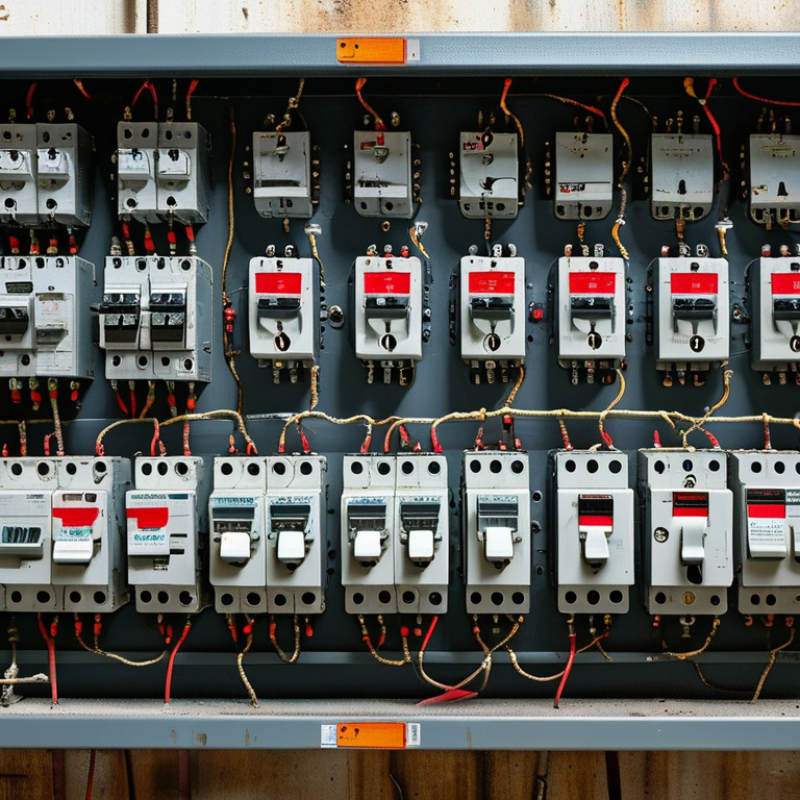
Table of Contents [Hide]
Define the Electrical Load and Distribution Requirements
Define the electrical load before selecting a circuit breaker distribution panel. List every fixed appliance, outlet circuit, lighting group, and special-purpose load. Record its voltage, rated power, phase, and expected operating hours. Do not rely only on the total wattage shown on equipment labels.
A practical load schedule should separate continuous loads from occasional loads. Heating equipment, pumps, and charging systems may operate for long periods. Motors can also draw higher current during startup. Calculate these conditions using applicable electrical standards and local requirements. Include future circuits, such as workshop tools or an additional air-conditioning unit. A crowded panel creates problems later.
Balance circuits across the available phases to reduce neutral current and improve system performance. Check the panel’s main rating, bus capacity, short-circuit rating, and available space. Feeder size must match the calculated demand, installation method, and voltage-drop limits. Environmental conditions matter too. Dust, moisture, and heat can affect enclosure selection and breaker performance.
The first estimate is rarely perfect. Recheck measurements on site. A small error in one load can change the required panel size. Clear circuit labels, updated drawings, and accessible working space support safer maintenance. A qualified electrician should verify calculations and confirm compliance before installation. Over-sizing may increase cost, while under-sizing can create dangerous overheating. It is an easy detail to underestimate.

© Copyright - Pro Tool & Supply - Site by SVM E-Marketing Solutions - Sitemap
- Privacy policy