- Products
- Air Compressors & Air Tools
- Climate Control
- Compaction Equipment
- Concrete Cutting Tools & Equipment
- Concrete and Masonry
- Demolition & Excavation
- Electrical & Mechanical
- Fasteners and Anchoring Adhesives
- Floor Protection
- Generators and Welders
- Hand Tools
- Heaters
- Janitorial and Office Supplies
- Jobsite Protection
- Ladders & Storage
- Lighting & Lighting Accessories
- Man Lifts
- Material Handling Equipment
- Power Tools
- Pressure Washers & Pumps
- Safety Gear
- Safety Products
- Saws
- Surface Preparation
- SEASONAL PRODUCTS
- Rentals
- Air Compressor and Air Tool Rentals
- Climate Control Rental
- Compaction Rentals
- Concrete Equipment Rentals
- Demolition & Excavation Equipment Rentals
- Concrete Floor Grinder Rentals
- General Construction Equipment Rentals
- Generator Rentals and Welder Rentals
- Heater Rentals
- Light Tower Rentals
- Man Lift Rentals in Massachusetts and Rhode Island
- Material Handling Equipment Rentals
- Pressure Washer & Pump Rentals
- Saw Rentals in New England
- SEASONAL PRODUCTS
- Products
- Air Compressors & Air Tools
- Climate Control
- Compaction Equipment
- Concrete Cutting Tools & Equipment
- Demolition & Excavation
- Electrical & Mechanical
- Floor Protection
- Generators and Welders
- Construction Heaters
- Construction Ladders, Staging, & Storage
- Construction Lighting
- Man Lifts
- Material Handling Equipment
- Industrial Janitorial and Office Supplies
- Pressure Washers & Pumps
- Construction Safety Products
- Construction Safety Gear
- Surface Preparation
- Building Protection
- Diesel Accessories
- Zero Emissions
- Rentals
- Air Compressor and Air Tool Rentals
- Climate Control Rental
- Compaction Rentals
- Concrete Equipment Rental
- Demolition & Excavation Equipment Rental
- General Construction Equipment Rental
- Generator Rentals and Welder Rentals
- Construction Heaters Rental
- Light Tower Rentals
- Man Lift Rentals
- Material Handling Equipment Rental
- Pressure Washer & Pump Rentals
- Saw Rentals in New England
- Concrete Floor Grinder Rentals
- Zero Emissions Rentals
- Repairs & Used
- Parts
- Blog
- Services
- Resources
- About Us
- Contact Us
Sales & Rental of Construction | Industrial Equipment & Supplies


How to Choose the Right Mechanical Tools for Your Projects?
Choosing the right mechanical tools for your projects is essential for success. A report by the International Federation of Robotics states that global sales of mechanical tools have risen by 15% over the past year. This data highlights the significance of selecting quality tools tailored to specific tasks. Industry expert James H. Miller, known for his insights on mechanical tools, asserts, "The right tools can elevate your project from good to exceptional."
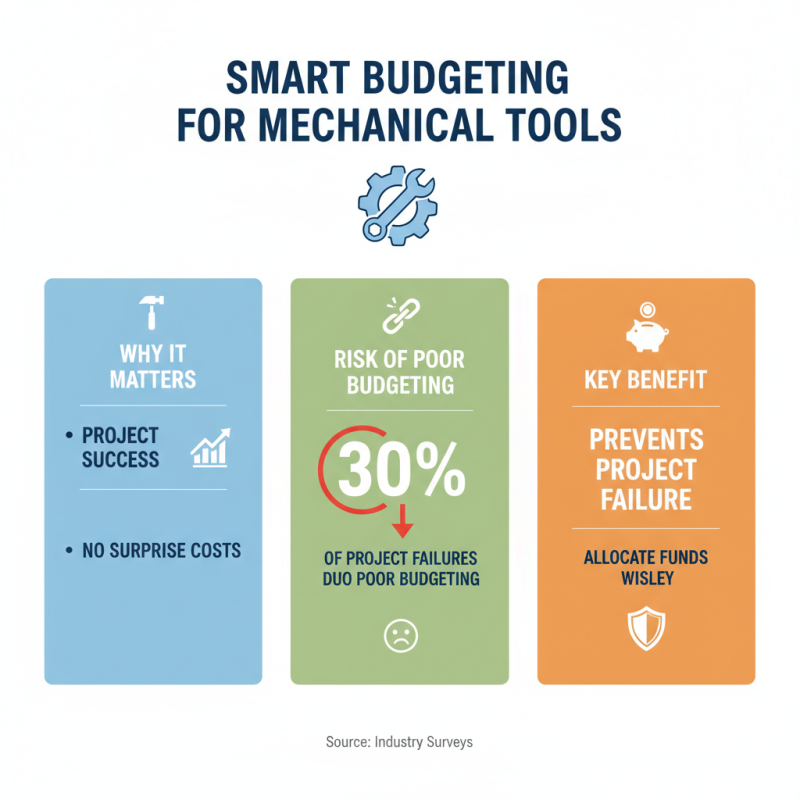
When assessing mechanical tools, various factors come into play. Understanding your project's scope and requirements is critical. High-quality tools can make a task easier, but they require a thoughtful approach. Budget constraints and availability can complicate decisions. Selecting a tool is not merely about brand or price; it demands reflection on purpose and durability.
Mistakes in tool selection can lead to wasted time and resources. A deep understanding of each tool’s capabilities and limitations enables informed choices. Each project presents unique challenges that demand careful consideration of the tools used. Balancing quality and cost is vital, yet often overlooked. The journey to finding the right mechanical tools involves trial, error, and learning from each experience.
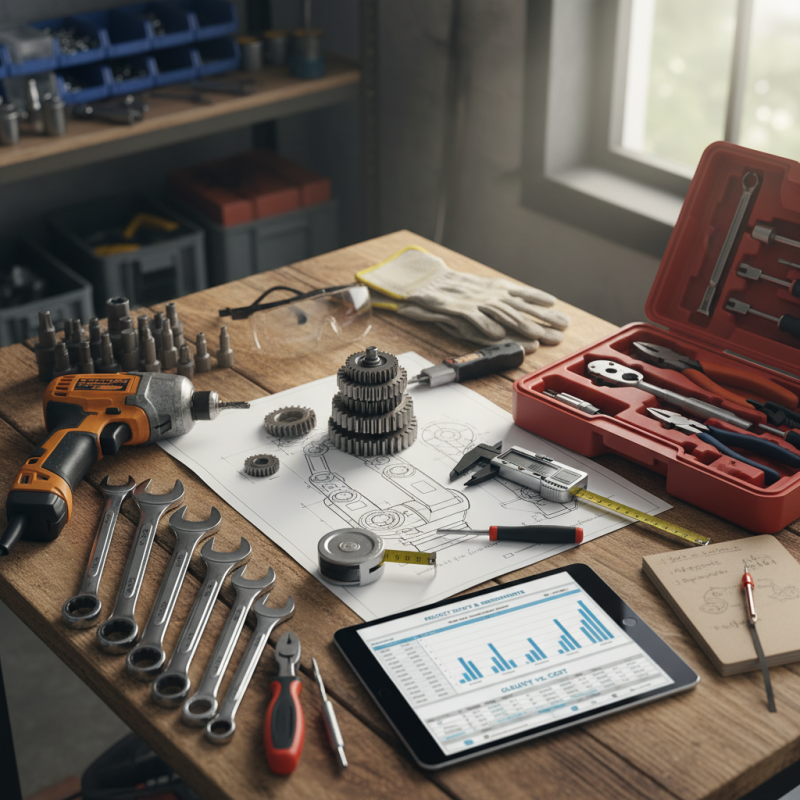
Table of Contents
[Hide]
Understanding the Types of Mechanical Tools Available for Projects
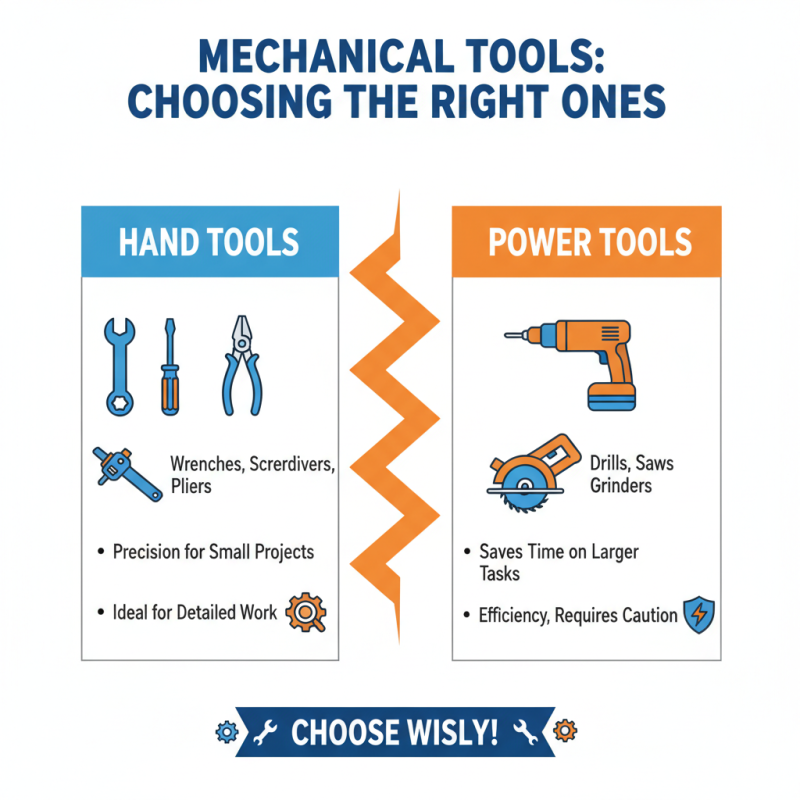
Choosing the right mechanical tools can be daunting. Understanding the types of tools is crucial. Hand tools and power tools each serve different purposes. Hand tools like wrenches and screwdrivers offer precision for small projects. They are ideal for detailed work. Power tools like drills and saws save time on larger tasks. They provide efficiency but require caution.
Consider the materials you'll be working with. Metal projects might need heavy-duty tools. Woodworking requires specific saws and chisels. Don't overlook the importance of comfort. A tool that feels good in your hand can make a project much easier. Sometimes, it’s easy to overlook safety. Protect yourself with goggles and gloves.
Reflecting on your needs is vital. What types of projects do you tackle most often? Maybe you need a versatile tool set. Perhaps a single high-quality piece would suffice. Learn from each project. Assess what worked and what didn’t. Over time, you’ll fine-tune your selections. Use a mix of hand and power tools for versatile solutions.
Related Posts
-
Top 10 Essential Shop Tools Every DIY Enthusiast Should Own
-
Unlocking Success with the Right Professional Tools for Every Industry
-
Exploring the Evolution of Shop Tools from Handheld Gadgets to Smart Technology
-
10 Essential Contractor Tools Every Professional Needs for Success
-

Why You Need Professional Tools for Effective Content Creation and Management
-

How to Choose the Best Professional Tools for Your Business Needs?

© Copyright - Pro Tool & Supply - Site by SVM E-Marketing Solutions - Sitemap
- Privacy policy