- Products
- Air Compressors & Air Tools
- Climate Control
- Compaction Equipment
- Concrete Cutting Tools & Equipment
- Concrete and Masonry
- Demolition & Excavation
- Electrical & Mechanical
- Fasteners and Anchoring Adhesives
- Floor Protection
- Generators and Welders
- Hand Tools
- Heaters
- Janitorial and Office Supplies
- Jobsite Protection
- Ladders & Storage
- Lighting & Lighting Accessories
- Man Lifts
- Material Handling Equipment
- Power Tools
- Pressure Washers & Pumps
- Safety Gear
- Safety Products
- Saws
- Surface Preparation
- SEASONAL PRODUCTS
- Rentals
- Air Compressor and Air Tool Rentals
- Climate Control Rental
- Compaction Rentals
- Concrete Equipment Rentals
- Demolition & Excavation Equipment Rentals
- Concrete Floor Grinder Rentals
- General Construction Equipment Rentals
- Generator Rentals and Welder Rentals
- Heater Rentals
- Light Tower Rentals
- Man Lift Rentals in Massachusetts and Rhode Island
- Material Handling Equipment Rentals
- Pressure Washer & Pump Rentals
- Saw Rentals in New England
- SEASONAL PRODUCTS
- Products
- Air Compressors & Air Tools
- Climate Control
- Compaction Equipment
- Concrete Cutting Tools & Equipment
- Demolition & Excavation
- Electrical & Mechanical
- Floor Protection
- Generators and Welders
- Construction Heaters
- Construction Ladders, Staging, & Storage
- Construction Lighting
- Man Lifts
- Material Handling Equipment
- Industrial Janitorial and Office Supplies
- Pressure Washers & Pumps
- Construction Safety Products
- Construction Safety Gear
- Surface Preparation
- Building Protection
- Diesel Accessories
- Zero Emissions
- Rentals
- Air Compressor and Air Tool Rentals
- Climate Control Rental
- Compaction Rentals
- Concrete Equipment Rental
- Demolition & Excavation Equipment Rental
- General Construction Equipment Rental
- Generator Rentals and Welder Rentals
- Construction Heaters Rental
- Light Tower Rentals
- Man Lift Rentals
- Material Handling Equipment Rental
- Pressure Washer & Pump Rentals
- Saw Rentals in New England
- Concrete Floor Grinder Rentals
- Zero Emissions Rentals
- Repairs & Used
- Parts
- Blog
- Services
- Resources
- About Us
- Contact Us
Sales & Rental of Construction | Industrial Equipment & Supplies


How to Choose the Right Ozone Sensor for Your Needs?
Choosing the right Ozone Sensor begins with understanding the environment, not browsing a product list. Indoor air systems, water treatment lines, laboratories, and industrial exhausts require different measurement methods. A sensor exposed to humidity, temperature swings, or chemical vapors may drift faster than expected. That small error can affect alarms, maintenance decisions, and process control.
Dr. David W. Fahey, an atmospheric ozone measurement expert, has emphasized, “Accurate ozone measurements are essential for understanding and protecting the atmosphere.” His point also applies to practical monitoring. A reliable Ozone Sensor should match the required concentration range, response time, accuracy, and operating conditions. It should also provide calibration support and clear maintenance instructions. Specifications matter. Field experience matters more than many buyers expect.
Think about the actual installation. Will the sensor face condensation? Does the sample line need heating? Could nitrogen oxides or cleaning chemicals interfere with readings? These details are easy to overlook. They should not be.
There is no perfect sensor for every application. A low-cost model may suit occasional checks, but it may disappoint in continuous monitoring. A high-end analyzer may deliver better stability, yet exceed the project’s practical needs. Even experts can choose poorly when they focus only on the purchase price. The better decision balances measurement quality, lifecycle cost, service access, and safety. This guide explains how to compare Ozone Sensor technologies and avoid common selection mistakes. Real conditions can be messy. Your sensor choice should reflect that.
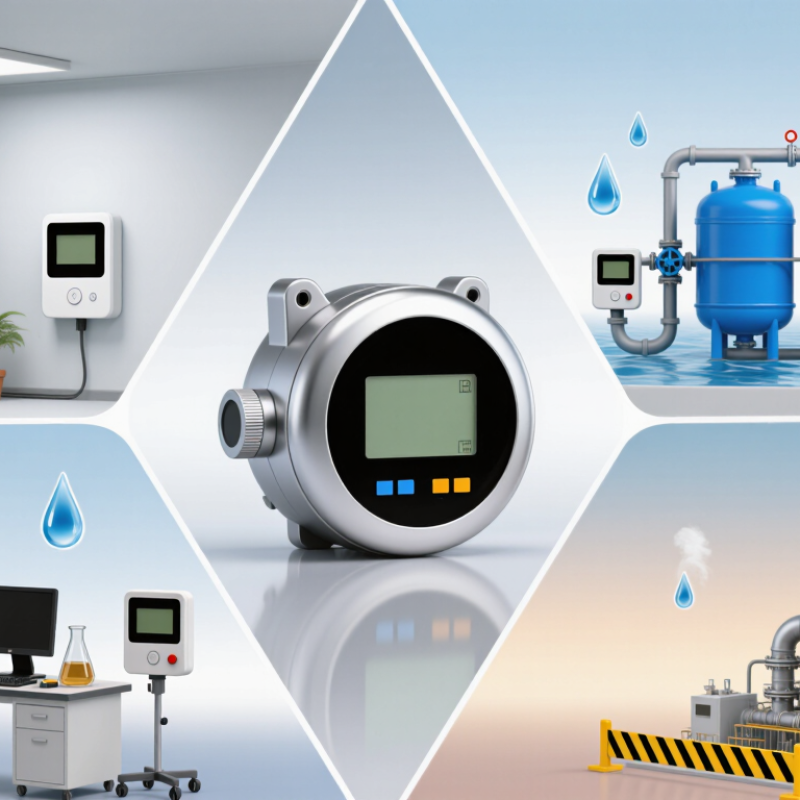
Table of Contents [Hide]
Define the Ozone Risk: OSHA’s 0.1 ppm 8-Hour Exposure Limit
Choosing an ozone sensor starts with the exposure limit, not the feature list.
OSHA identifies 0.1 ppm as an eight-hour occupational exposure limit. NIOSH also lists 0.1 ppm as a recommended eight-hour limit and 5 ppm as immediately dangerous to life or health. These values define the measurement challenge.
A sensor should resolve changes well below 0.1 ppm. Otherwise, a display may show “safe” while conditions approach the limit. For outdoor applications, the margin should be tighter. The U.S. Environmental Protection Agency uses a 0.070 ppm, eight-hour standard for ambient ozone. Select a device with documented accuracy, low-level sensitivity, stable calibration, and suitable response time. Check cross-sensitivity data, especially where nitrogen dioxide or volatile chemicals may exist.
Placement matters as much as the instrument. Install the inlet near the breathing zone, but avoid direct exhaust streams that create misleading peaks. Log readings continuously when ozone-generating equipment operates. I would not treat one clean reading as proof of safety. That assumption is easy, and often wrong. Temperature, humidity, airflow, and aging sensing elements can distort results. Independent calibration records matter. So does an alarm set below 0.1 ppm, allowing time for ventilation and investigation. A sensor that cannot explain its uncertainty is not fully decision-ready.

© Copyright - Pro Tool & Supply - Site by SVM E-Marketing Solutions - Sitemap
- Privacy policy