- Products
- Air Compressors & Air Tools
- Climate Control
- Compaction Equipment
- Concrete Cutting Tools & Equipment
- Concrete and Masonry
- Demolition & Excavation
- Electrical & Mechanical
- Fasteners and Anchoring Adhesives
- Floor Protection
- Generators and Welders
- Hand Tools
- Heaters
- Janitorial and Office Supplies
- Jobsite Protection
- Ladders & Storage
- Lighting & Lighting Accessories
- Man Lifts
- Material Handling Equipment
- Power Tools
- Pressure Washers & Pumps
- Safety Gear
- Safety Products
- Saws
- Surface Preparation
- SEASONAL PRODUCTS
- Rentals
- Air Compressor and Air Tool Rentals
- Climate Control Rental
- Compaction Rentals
- Concrete Equipment Rentals
- Demolition & Excavation Equipment Rentals
- Concrete Floor Grinder Rentals
- General Construction Equipment Rentals
- Generator Rentals and Welder Rentals
- Heater Rentals
- Light Tower Rentals
- Man Lift Rentals in Massachusetts and Rhode Island
- Material Handling Equipment Rentals
- Pressure Washer & Pump Rentals
- Saw Rentals in New England
- SEASONAL PRODUCTS
- Products
- Air Compressors & Air Tools
- Climate Control
- Compaction Equipment
- Concrete Cutting Tools & Equipment
- Demolition & Excavation
- Electrical & Mechanical
- Floor Protection
- Generators and Welders
- Construction Heaters
- Construction Ladders, Staging, & Storage
- Construction Lighting
- Man Lifts
- Material Handling Equipment
- Industrial Janitorial and Office Supplies
- Pressure Washers & Pumps
- Construction Safety Products
- Construction Safety Gear
- Surface Preparation
- Building Protection
- Diesel Accessories
- Zero Emissions
- Rentals
- Air Compressor and Air Tool Rentals
- Climate Control Rental
- Compaction Rentals
- Concrete Equipment Rental
- Demolition & Excavation Equipment Rental
- General Construction Equipment Rental
- Generator Rentals and Welder Rentals
- Construction Heaters Rental
- Light Tower Rentals
- Man Lift Rentals
- Material Handling Equipment Rental
- Pressure Washer & Pump Rentals
- Saw Rentals in New England
- Concrete Floor Grinder Rentals
- Zero Emissions Rentals
- Repairs & Used
- Parts
- Blog
- Services
- Resources
- About Us
- Contact Us
Sales & Rental of Construction | Industrial Equipment & Supplies


How to Choose a PVC 2-Piece Ball Valve?
Choosing the right PVC 2-Piece Ball Valve is not simply a matter of matching pipe diameter. The valve must suit the fluid, pressure, temperature, connection method, and installation environment. A small mismatch can cause leaks, difficult operation, or premature failure. This guide explains the practical decisions behind a reliable selection.
In field installations, I have seen a valve look suitable until the application details were checked. A clear PVC body may help with visual inspection, but it does not automatically suit every chemical service. EPDM and FKM seals behave differently. Threaded ends can simplify replacement, while solvent-weld connections may reduce leakage points when installed correctly. Check the manufacturer’s pressure-temperature chart. Do not rely on appearance alone.
Size matters.
The valve should support the system’s flow requirements without creating unnecessary restriction. Full-port designs often reduce pressure loss, but they may require more installation space. Consider handle clearance, pipe alignment, support, and future servicing. Confirm the valve’s material grade and applicable product certifications for potable water or industrial use. Standards and test data should come from traceable manufacturers, not vague marketing claims.
There is no universal best valve. That is the part many buyers overlook. A low-cost option may perform well in clean water but fail in aggressive chemicals or frequent cycling. Before ordering, compare operating conditions with published specifications, inspect the sealing materials, and ask for technical documentation. Careful selection improves safety, service life, and maintenance planning, even when the final decision is not the cheapest one.
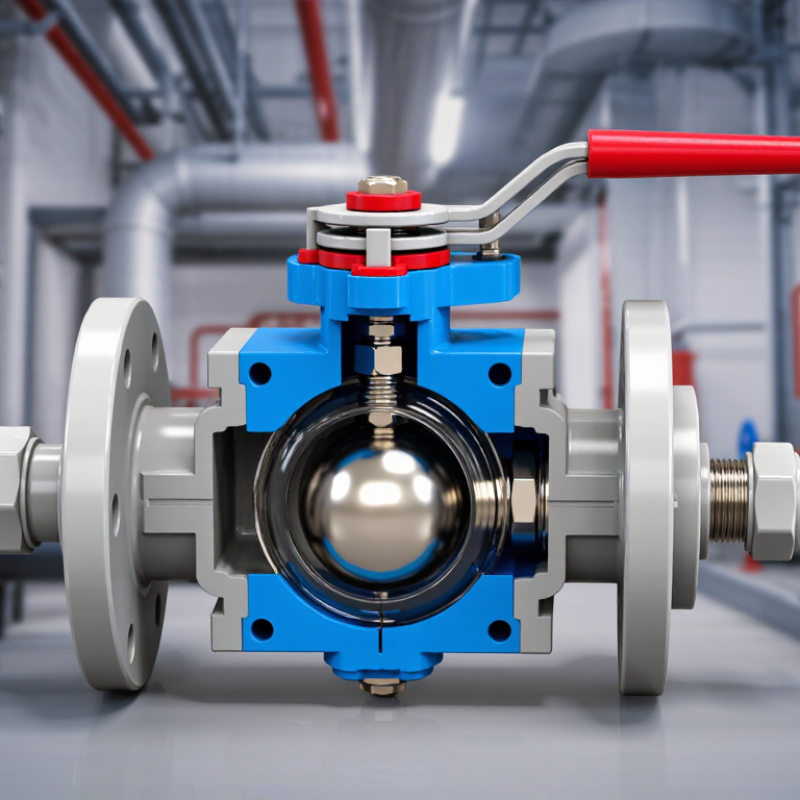
Table of Contents [Hide]
Define the Application and Operating Conditions
How to Choose a PVC 2-Piece Ball Valve?
Define the Application and Operating Conditions
Start by identifying the fluid, pipe size, flow direction, and expected service frequency. Water, mild chemicals, and abrasive slurries create very different valve demands. A clear application profile prevents a convenient choice from becoming an expensive mistake. I have seen installations fail because the fluid was described only as “chemical water.” That label was too vague.
Record the normal and peak pressure, operating temperature, and possible pressure surges. Check whether the system experiences vacuum conditions during draining or cooling. PVC performs well within its rated range, but heat can reduce pressure capability significantly. Review the valve’s pressure-temperature chart, not just its maximum pressure number. Also consider sunlight, freezing temperatures, vibration, and limited installation space.
I sometimes prefer the simpler option, then reconsider after seeing the maintenance access.
Confirm that the valve body and seals match the medium. Chemical compatibility depends on concentration, temperature, and exposure time. A material chart helps, but testing may still be necessary for unusual fluids. Choose the connection method according to the piping system and maintenance plan. Threaded joints may simplify removal, while solvent-welded connections can reduce leak paths. Leave enough room to operate the handle and replace the valve. Check actuation torque if automation is planned. Dirty service may increase torque unexpectedly. That detail is easy to overlook.

© Copyright - Pro Tool & Supply - Site by SVM E-Marketing Solutions - Sitemap
- Privacy policy