- Products
- Air Compressors & Air Tools
- Climate Control
- Compaction Equipment
- Concrete Cutting Tools & Equipment
- Concrete and Masonry
- Demolition & Excavation
- Electrical & Mechanical
- Fasteners and Anchoring Adhesives
- Floor Protection
- Generators and Welders
- Hand Tools
- Heaters
- Janitorial and Office Supplies
- Jobsite Protection
- Ladders & Storage
- Lighting & Lighting Accessories
- Man Lifts
- Material Handling Equipment
- Power Tools
- Pressure Washers & Pumps
- Safety Gear
- Safety Products
- Saws
- Surface Preparation
- SEASONAL PRODUCTS
- Rentals
- Air Compressor and Air Tool Rentals
- Climate Control Rental
- Compaction Rentals
- Concrete Equipment Rentals
- Demolition & Excavation Equipment Rentals
- Concrete Floor Grinder Rentals
- General Construction Equipment Rentals
- Generator Rentals and Welder Rentals
- Heater Rentals
- Light Tower Rentals
- Man Lift Rentals in Massachusetts and Rhode Island
- Material Handling Equipment Rentals
- Pressure Washer & Pump Rentals
- Saw Rentals in New England
- SEASONAL PRODUCTS
- Products
- Air Compressors & Air Tools
- Climate Control
- Compaction Equipment
- Concrete Cutting Tools & Equipment
- Demolition & Excavation
- Electrical & Mechanical
- Floor Protection
- Generators and Welders
- Construction Heaters
- Construction Ladders, Staging, & Storage
- Construction Lighting
- Man Lifts
- Material Handling Equipment
- Industrial Janitorial and Office Supplies
- Pressure Washers & Pumps
- Construction Safety Products
- Construction Safety Gear
- Surface Preparation
- Building Protection
- Diesel Accessories
- Zero Emissions
- Rentals
- Air Compressor and Air Tool Rentals
- Climate Control Rental
- Compaction Rentals
- Concrete Equipment Rental
- Demolition & Excavation Equipment Rental
- General Construction Equipment Rental
- Generator Rentals and Welder Rentals
- Construction Heaters Rental
- Light Tower Rentals
- Man Lift Rentals
- Material Handling Equipment Rental
- Pressure Washer & Pump Rentals
- Saw Rentals in New England
- Concrete Floor Grinder Rentals
- Zero Emissions Rentals
- Repairs & Used
- Parts
- Blog
- Services
- Resources
- About Us
- Contact Us
Sales & Rental of Construction | Industrial Equipment & Supplies

7 Tips for Choosing the Right Traction Lift?
Choosing the right Traction Lift is not simply a matter of comparing speed, price, and cabin size. It involves understanding building use, passenger flow, shaft conditions, energy goals, and long-term maintenance needs. A lift that performs well in a modern office may feel oversized or inefficient in a small residential building. Details matter.
Experienced lift consultants usually begin with real operating conditions. How many people travel during the morning rush? How often will the lift carry heavy equipment? Is the machine room limited, or is a machine-room-less design more practical? These questions help connect technical specifications with daily use. Reliable manufacturers should provide clear documentation, maintenance guidance, warranty terms, and evidence of compliance with applicable local safety requirements.
Still, choosing equipment is rarely perfect. Initial estimates can miss future traffic growth, renovation costs, or uncomfortable noise levels. I have seen attractive specifications become less impressive after installation planning revealed restricted access or difficult servicing. That is why independent advice and site measurements remain valuable. Small oversights can become expensive later.
This guide presents seven practical tips for evaluating a Traction Lift with greater confidence. It considers drive systems, capacity, speed, efficiency, safety features, installation conditions, and after-sales support. The goal is not to promote one universal solution. It is to help building owners, architects, and facility managers ask better questions before signing a contract. A careful decision begins with evidence, realistic expectations, and a willingness to reconsider the first choice.
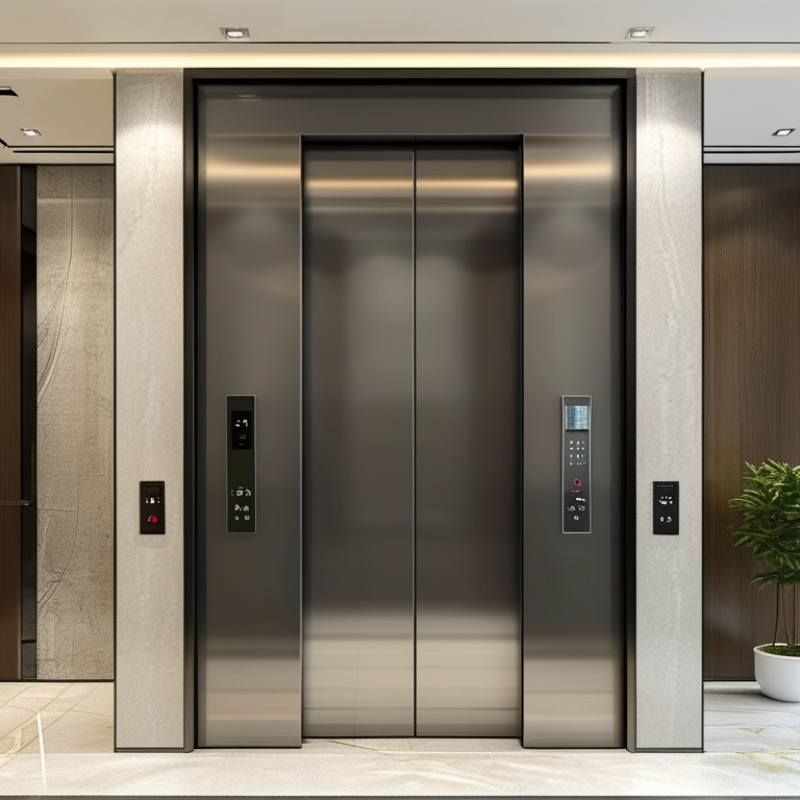
Table of Contents [Hide]
Understanding Traction Lift Types and Operating Principles
7 Tips for Choosing the Right Traction Lift?
Understanding Traction Lift Types and Operating Principles
A traction lift moves its car through ropes, a sheave, and a counterweight. The motor turns the sheave, while friction pulls the ropes upward or downward. A brake holds the car when travel stops. This simple movement depends on careful balance, accurate control, and regular inspection. Small rope wear can affect ride quality.
There are two common traction types: geared and gearless. Geared systems use a gearbox and suit many low- to mid-rise buildings. Gearless systems connect the motor directly to the sheave, supporting higher speeds and taller travel. Machine-room-less designs place key equipment near the shaft, saving space but sometimes complicating maintenance access. Ask how technicians will reach each component.
Choosing correctly means checking seven practical points: building height, passenger capacity, traffic patterns, travel speed, available space, energy use, and maintenance support. A busy office may need faster dispatch and stronger door cycles. A residential building may value quiet starts and smooth stops more. Counterweight sizing also matters, because poor balance increases motor effort. Do not judge only by rated speed. Actual comfort appears when the lift starts, levels, and opens its doors.
I have seen specifications look impressive on paper yet feel unsuitable during peak traffic. That is an important weakness in many early assessments. Review site measurements, expected loads, stopping frequency, and emergency access with qualified professionals. Test conditions matter. A lift that performs well empty may respond differently with a full car and frequent stops.
© Copyright - Pro Tool & Supply - Site by SVM E-Marketing Solutions - Sitemap
- Privacy policy