- Products
- Air Compressors & Air Tools
- Climate Control
- Compaction Equipment
- Concrete Cutting Tools & Equipment
- Concrete and Masonry
- Demolition & Excavation
- Electrical & Mechanical
- Fasteners and Anchoring Adhesives
- Floor Protection
- Generators and Welders
- Hand Tools
- Heaters
- Janitorial and Office Supplies
- Jobsite Protection
- Ladders & Storage
- Lighting & Lighting Accessories
- Man Lifts
- Material Handling Equipment
- Power Tools
- Pressure Washers & Pumps
- Safety Gear
- Safety Products
- Saws
- Surface Preparation
- SEASONAL PRODUCTS
- Rentals
- Air Compressor and Air Tool Rentals
- Climate Control Rental
- Compaction Rentals
- Concrete Equipment Rentals
- Demolition & Excavation Equipment Rentals
- Concrete Floor Grinder Rentals
- General Construction Equipment Rentals
- Generator Rentals and Welder Rentals
- Heater Rentals
- Light Tower Rentals
- Man Lift Rentals in Massachusetts and Rhode Island
- Material Handling Equipment Rentals
- Pressure Washer & Pump Rentals
- Saw Rentals in New England
- SEASONAL PRODUCTS
- Products
- Air Compressors & Air Tools
- Climate Control
- Compaction Equipment
- Concrete Cutting Tools & Equipment
- Demolition & Excavation
- Electrical & Mechanical
- Floor Protection
- Generators and Welders
- Construction Heaters
- Construction Ladders, Staging, & Storage
- Construction Lighting
- Man Lifts
- Material Handling Equipment
- Industrial Janitorial and Office Supplies
- Pressure Washers & Pumps
- Construction Safety Products
- Construction Safety Gear
- Surface Preparation
- Building Protection
- Diesel Accessories
- Zero Emissions
- Rentals
- Air Compressor and Air Tool Rentals
- Climate Control Rental
- Compaction Rentals
- Concrete Equipment Rental
- Demolition & Excavation Equipment Rental
- General Construction Equipment Rental
- Generator Rentals and Welder Rentals
- Construction Heaters Rental
- Light Tower Rentals
- Man Lift Rentals
- Material Handling Equipment Rental
- Pressure Washer & Pump Rentals
- Saw Rentals in New England
- Concrete Floor Grinder Rentals
- Zero Emissions Rentals
- Repairs & Used
- Parts
- Blog
- Services
- Resources
- About Us
- Contact Us
Sales & Rental of Construction | Industrial Equipment & Supplies

What Is Colored Glass Sheet Used For?
Colored glass sheet is more than a decorative surface. It is a practical material for controlling light, adding color, and shaping atmosphere in homes, shops, studios, and public interiors. Designers use it for cabinet doors, room dividers, splashbacks, signage, tabletops, and feature walls. A blue sheet can soften a bright kitchen, while amber glass can create a warmer café mood. Small details matter.
Its performance depends on more than appearance. Thickness, glass type, edge treatment, surface finish, and installation method affect safety and durability. Tempered or laminated options may suit areas exposed to impact, but the correct choice should follow professional specifications and local building requirements. In my experience, samples reveal differences that photographs often hide. Color can shift under daylight, warm lamps, or nearby wall finishes. A sample is worth testing.
This article explores what Colored Glass Sheet is used for and how professionals select it. We will consider privacy, light transmission, cleaning, heat exposure, and visual consistency. The material can look effortless, yet poor measurement or unsupported installation may cause costly problems. It is not always the best solution. Careful planning, reputable suppliers, accurate fabrication, and qualified installation help create an attractive, dependable result. Even then, expectations should remain realistic: no glass finish stays perfect without regular care.
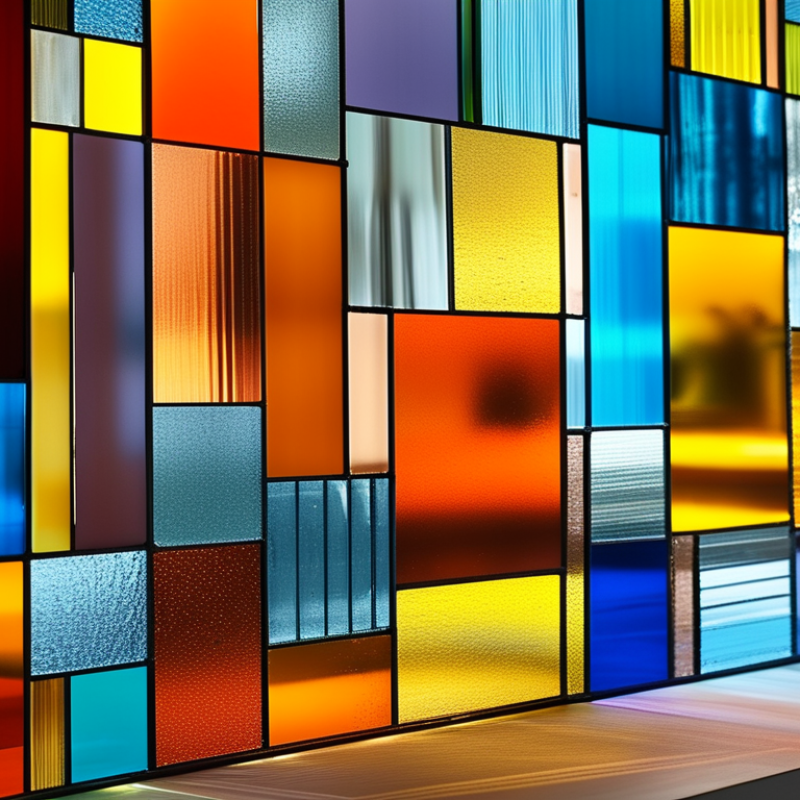
Table of Contents [Hide]
Definition and Main Types of Colored Glass Sheets
What Is Colored Glass Sheet Used For?
Colored glass sheet is a flat glass panel with a controlled tint, texture, or surface finish. Its color may run through the glass or sit on one side as a coating. This difference affects durability, light transmission, and maintenance. In practical fabrication, colored glass is used for cabinet doors, shower screens, partitions, wall panels, skylights, and decorative furniture. It can soften daylight, hide equipment, or create a stronger visual feature.
The main types include body-tinted, coated, laminated, and textured colored glass. Body-tinted glass contains colorants within its composition, so small surface scratches may be less noticeable. Coated glass offers strong visual effects, but its finish may require careful handling. Laminated colored glass combines layers with an interlayer, improving safety and design flexibility. Textured glass scatters light and adds privacy without making a room completely dark. The term “colored glass” is sometimes used loosely, so specifications should be checked before ordering.
Tips: Compare the glass color under the project’s actual lighting. Samples can look different near windows. Check thickness, edge treatment, heat resistance, and cleaning requirements with a qualified glass professional. A darker tint does not always provide better privacy. That assumption deserves a second look.
What Is Colored Glass Sheet Used For? - Definition and Main Types of Colored Glass Sheets
| Type or Category | Definition and Typical Color Source | Main Uses | Key Functional Characteristics | Common Processing Options | Important Considerations |
|---|---|---|---|---|---|
| Colored Float Glass | Flat glass manufactured with colorants incorporated into the glass batch. The color is distributed through the thickness of the sheet. | Windows, doors, partitions, furniture panels, decorative wall features, and general architectural glazing. | Provides consistent color, daylight transmission, privacy enhancement, and moderate solar control depending on the shade. | Cutting, edge polishing, drilling, laminating, insulating-glass assembly, and tempering when the composition is suitable. | Color and light transmission can vary with sheet thickness. It should be checked for compatibility before heat treatment or lamination. |
| Body-Tinted Glass | A form of colored glass in which metal oxides or other mineral colorants are mixed into the raw materials before melting. | Exterior façades, skylights, sunrooms, curtain walls, and areas requiring reduced glare or solar heat gain. | Creates a uniform appearance and can absorb part of the visible and infrared radiation entering a building. | Heat strengthening, tempering, laminating, coating, and fabrication into double- or triple-glazed units. | Darker colors may increase heat absorption. Thermal-stress analysis and appropriate safety-glazing selection are important. |
| Surface-Coated Glass | Clear or lightly tinted glass with a colored coating applied to one surface, often by enameling, painting, or other industrial coating processes. | Back-painted wall panels, kitchen backsplashes, signage, interior partitions, furniture, and decorative architectural elements. | Offers a broad color range and strong visual impact without coloring the entire glass body. | Cutting before coating, edge finishing, laminating, screen printing, and installation with mechanical or adhesive systems suitable for the coating. | The coated surface may be sensitive to scratching, chemicals, moisture, or abrasion. The coating orientation should be specified during installation. |
| Opaque Colored Glass | Colored glass designed to transmit little or no visible light, usually through dense pigmentation, backing, or an opaque enamel layer. | Cabinet doors, countertops, splashbacks, reception desks, wall cladding, decorative panels, and privacy screens. | Provides strong color, high privacy, and a solid visual surface while retaining the cleanability of glass. | Polishing, drilling, waterjet cutting, laminating, and mounting to rigid substrates. | Opaque products should not be assumed to provide structural capacity. Support, edge protection, and thermal movement must be considered. |
| Translucent Colored Glass | Colored sheet that allows diffused light to pass through while obscuring clear views. Texture, frit, or surface treatment may enhance diffusion. | Bathroom windows, office partitions, room dividers, lighting features, interior doors, and privacy glazing. | Balances daylight and privacy, reduces direct visibility, and can soften harsh light. | Cutting, edge finishing, laminating, tempering, acid etching, and patterned surface treatment. | Privacy performance depends on texture, lighting conditions, viewing distance, and the difference in illumination between spaces. |
| Stained-Glass Sheet | Colored or textured decorative glass traditionally used as individual pieces assembled with lead came, copper foil, or compatible framing systems. | Windows, decorative panels, religious and cultural interiors, lampshades, art installations, and restoration work. | Offers strong color variation, texture, and artistic expression; some types filter light into distinctive patterns. | Cutting into individual pieces, copper-foil assembly, lead-came assembly, soldering, framing, and protective glazing. | Many decorative sheets are not intended to act as single safety-glazing panels. Structural support and protective outer glazing may be required. |
| Fused or Kiln-Formed Glass | Glass pieces or compatible colored sheets heated in a kiln so they fuse, slump, or form into a planned shape. | Art panels, decorative screens, tiles, lighting elements, wall features, and custom interior installations. | Allows layered colors, relief, patterns, and three-dimensional forms that are difficult to produce with standard flat glass. | Fusing, slumping, bending, coldworking, polishing, and mounting in a supporting frame. | Compatible glass compositions are necessary to reduce stress caused by different thermal expansion behavior. |
| Laminated Colored Glass | Two or more glass sheets bonded with an interlayer; the color may come from tinted glass, a colored interlayer, or both. | Safety glazing, skylights, balustrades, façades, partitions, overhead glazing, and decorative privacy applications. | Retains fragments after breakage, can reduce sound transmission, filters ultraviolet radiation, and provides design flexibility. | Cutting before lamination, edge finishing, drilling when specified, heat treatment of individual plies, and fabrication into insulated units. | Interlayer selection, edge sealing, humidity exposure, and the required safety standard should be reviewed for the application. |
| Tempered Colored Glass | Colored glass that has undergone controlled thermal treatment to increase surface and edge strength compared with annealed glass. | Shower enclosures, doors, side panels, furniture, partitions, balustrades, and other locations where safety glazing is required. | Higher resistance to thermal stress and impact than annealed glass; it breaks into relatively small blunt-edged particles when fractured. | Cutting, drilling, and edgework must generally be completed before tempering. It may also be used in laminated or insulated assemblies. | Once tempered, it cannot normally be cut or drilled. Heat-soak testing may be considered where spontaneous breakage risk is a concern. |
| Insulating Colored Glass Unit | A sealed assembly of two or more glass panes separated by a spacer, with an insulating gas or air space between the panes. | Exterior windows, curtain walls, façades, doors, and energy-conscious building envelopes. | Improves thermal insulation compared with single glazing; colored panes can also assist with glare and solar-control design. | Use of tinted, coated, laminated, or tempered panes; sealed-unit fabrication; installation with compatible glazing seals and frames. | Glass color, coatings, cavity width, gas fill, orientation, and frame design all affect solar and thermal performance. |
| Common Color Families | Frequently produced shades include bronze, gray, green, blue, amber, red, yellow, and neutral or custom tones. | Color coordination for façades, interiors, furniture, signage, artistic glazing, and daylight-control schemes. | Different tones influence visible light transmission, perceived privacy, glare, solar absorption, and the appearance of objects viewed through the glass. | Color matching through body tinting, coatings, interlayers, frit patterns, etching, or combinations of these methods. | Color can look different under daylight, artificial light, and surrounding finishes. Samples should be evaluated in the actual lighting environment. |

© Copyright - Pro Tool & Supply - Site by SVM E-Marketing Solutions - Sitemap
- Privacy policy