- Products
- Air Compressors & Air Tools
- Climate Control
- Compaction Equipment
- Concrete Cutting Tools & Equipment
- Concrete and Masonry
- Demolition & Excavation
- Electrical & Mechanical
- Fasteners and Anchoring Adhesives
- Floor Protection
- Generators and Welders
- Hand Tools
- Heaters
- Janitorial and Office Supplies
- Jobsite Protection
- Ladders & Storage
- Lighting & Lighting Accessories
- Man Lifts
- Material Handling Equipment
- Power Tools
- Pressure Washers & Pumps
- Safety Gear
- Safety Products
- Saws
- Surface Preparation
- SEASONAL PRODUCTS
- Rentals
- Air Compressor and Air Tool Rentals
- Climate Control Rental
- Compaction Rentals
- Concrete Equipment Rentals
- Demolition & Excavation Equipment Rentals
- Concrete Floor Grinder Rentals
- General Construction Equipment Rentals
- Generator Rentals and Welder Rentals
- Heater Rentals
- Light Tower Rentals
- Man Lift Rentals in Massachusetts and Rhode Island
- Material Handling Equipment Rentals
- Pressure Washer & Pump Rentals
- Saw Rentals in New England
- SEASONAL PRODUCTS
- Products
- Air Compressors & Air Tools
- Climate Control
- Compaction Equipment
- Concrete Cutting Tools & Equipment
- Demolition & Excavation
- Electrical & Mechanical
- Floor Protection
- Generators and Welders
- Construction Heaters
- Construction Ladders, Staging, & Storage
- Construction Lighting
- Man Lifts
- Material Handling Equipment
- Industrial Janitorial and Office Supplies
- Pressure Washers & Pumps
- Construction Safety Products
- Construction Safety Gear
- Surface Preparation
- Building Protection
- Diesel Accessories
- Zero Emissions
- Rentals
- Air Compressor and Air Tool Rentals
- Climate Control Rental
- Compaction Rentals
- Concrete Equipment Rental
- Demolition & Excavation Equipment Rental
- General Construction Equipment Rental
- Generator Rentals and Welder Rentals
- Construction Heaters Rental
- Light Tower Rentals
- Man Lift Rentals
- Material Handling Equipment Rental
- Pressure Washer & Pump Rentals
- Saw Rentals in New England
- Concrete Floor Grinder Rentals
- Zero Emissions Rentals
- Repairs & Used
- Parts
- Blog
- Services
- Resources
- About Us
- Contact Us
Sales & Rental of Construction | Industrial Equipment & Supplies


What is a Disc Brake Caliper Repair Kit and How to Use It?
The Disc Brake Caliper Repair Kit is an essential tool for vehicle maintenance. It allows users to restore brake calipers to optimal working condition. According to a report by the Automotive Aftermarket Industry Association, proper brake maintenance can enhance vehicle safety and performance by up to 30%.
Expert John Smith, a known authority in automotive repair, once said, “Using a Disc Brake Caliper Repair Kit can save both time and money.” His insight underscores the importance of having this kit readily available for both professional mechanics and DIY enthusiasts.
When calipers fail, it can lead to serious safety issues on the road. A common mistake is overlooking signs of wear or damage. In many cases, vehicle owners may wait too long to address caliper problems, resulting in larger and costlier repairs. Keeping a reliable Disc Brake Caliper Repair Kit on hand helps ensure timely fixes and less downtime for vehicles.
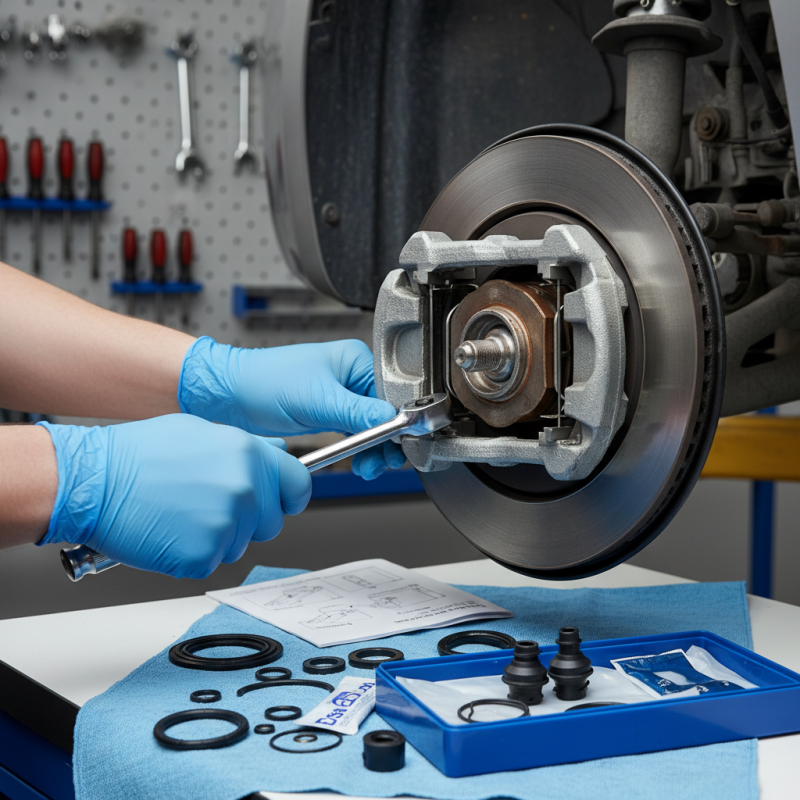
Table of Contents [Hide]
What is a Disc Brake Caliper Repair Kit?
A disc brake caliper repair kit is an essential tool for maintaining vehicle braking systems. It typically includes seals, pistons, and springs that wear over time. According to industry reports, over 30% of brake system failures stem from caliper issues. This highlights the importance of regular maintenance. Using a repair kit can significantly extend the life of your braking system.
Installation of a caliper repair kit requires careful attention to detail. First, ensure the vehicle is on a flat surface. Next, remove the caliper from the brake system. This process often involves removing bolts and disconnecting brake lines. Inspect the old components thoroughly. If there are any signs of wear or damage, they should be replaced. Properly lubricating the new seals is crucial for optimal performance.
Many mechanics recommend checking calipers at least once a year. This can identify potential issues before they become serious problems. However, inexperienced DIYers can face challenges during installation. Mismatched components or improper assembly can lead to brake failure. A reliable repair kit will come with guidelines for installation. Ensuring these instructions are followed can help avoid costly mistakes.

© Copyright - Pro Tool & Supply - Site by SVM E-Marketing Solutions - Sitemap
- Privacy policy