- Products
- Air Compressors & Air Tools
- Climate Control
- Compaction Equipment
- Concrete Cutting Tools & Equipment
- Concrete and Masonry
- Demolition & Excavation
- Electrical & Mechanical
- Fasteners and Anchoring Adhesives
- Floor Protection
- Generators and Welders
- Hand Tools
- Heaters
- Janitorial and Office Supplies
- Jobsite Protection
- Ladders & Storage
- Lighting & Lighting Accessories
- Man Lifts
- Material Handling Equipment
- Power Tools
- Pressure Washers & Pumps
- Safety Gear
- Safety Products
- Saws
- Surface Preparation
- SEASONAL PRODUCTS
- Rentals
- Air Compressor and Air Tool Rentals
- Climate Control Rental
- Compaction Rentals
- Concrete Equipment Rentals
- Demolition & Excavation Equipment Rentals
- Concrete Floor Grinder Rentals
- General Construction Equipment Rentals
- Generator Rentals and Welder Rentals
- Heater Rentals
- Light Tower Rentals
- Man Lift Rentals in Massachusetts and Rhode Island
- Material Handling Equipment Rentals
- Pressure Washer & Pump Rentals
- Saw Rentals in New England
- SEASONAL PRODUCTS
- Products
- Air Compressors & Air Tools
- Climate Control
- Compaction Equipment
- Concrete Cutting Tools & Equipment
- Demolition & Excavation
- Electrical & Mechanical
- Floor Protection
- Generators and Welders
- Construction Heaters
- Construction Ladders, Staging, & Storage
- Construction Lighting
- Man Lifts
- Material Handling Equipment
- Industrial Janitorial and Office Supplies
- Pressure Washers & Pumps
- Construction Safety Products
- Construction Safety Gear
- Surface Preparation
- Building Protection
- Diesel Accessories
- Zero Emissions
- Rentals
- Air Compressor and Air Tool Rentals
- Climate Control Rental
- Compaction Rentals
- Concrete Equipment Rental
- Demolition & Excavation Equipment Rental
- General Construction Equipment Rental
- Generator Rentals and Welder Rentals
- Construction Heaters Rental
- Light Tower Rentals
- Man Lift Rentals
- Material Handling Equipment Rental
- Pressure Washer & Pump Rentals
- Saw Rentals in New England
- Concrete Floor Grinder Rentals
- Zero Emissions Rentals
- Repairs & Used
- Parts
- Blog
- Services
- Resources
- About Us
- Contact Us
Sales & Rental of Construction | Industrial Equipment & Supplies


Top 10 Essential Carpentry Tools Every Woodworker Should Have?
Carpentry tools are the backbone of any woodworker's workshop. Choosing the right tools can make a significant difference in your projects. From shaping wood to making precise cuts, each tool has its unique purpose. Having the right set not only improves your efficiency but also your craftsmanship.
For beginners and seasoned woodworkers alike, understanding which carpentry tools are essential is crucial. Some tools may seem overwhelming at first. Yet, mastering them will enhance your skills and confidence. Investing in quality tools matters. It sets the foundation for future projects.
Every tool serves a distinct function, and knowing their uses is vital. This guide highlights the ten essential carpentry tools. These tools will help you tackle various tasks, whether you’re building furniture or crafting intricate designs. The right tools can inspire creativity and push the boundaries of your woodworking journey. Embrace the learning process and reflect on your growth as you craft beautiful pieces.
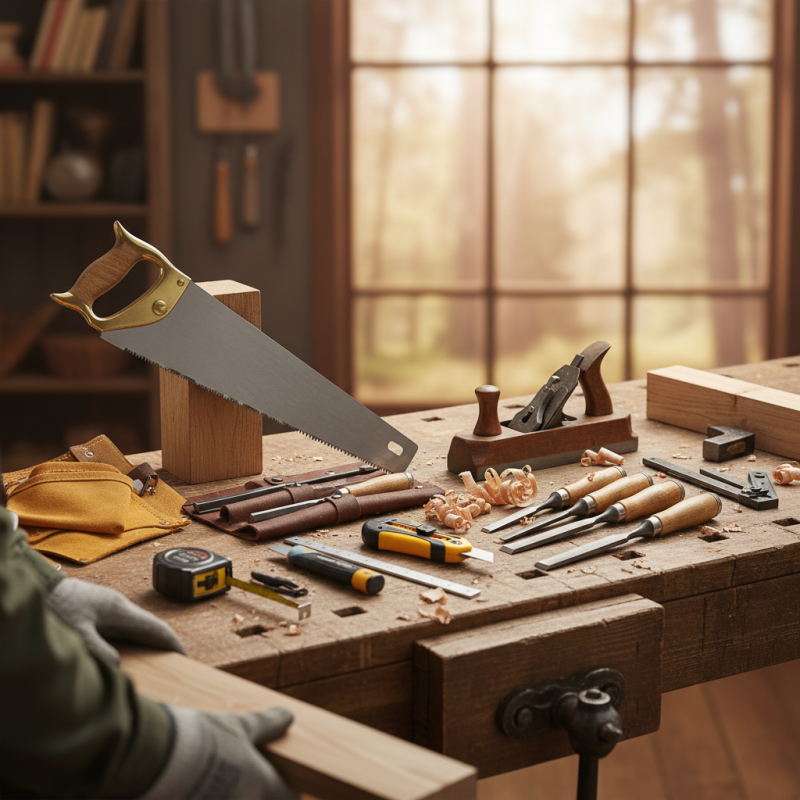
Table of Contents
[Hide]
Essential Hand Tools for Every Woodworker's Toolkit
Every woodworker needs reliable hand tools in their toolkit. These essential tools can enhance your skills and improve your projects. A good hand saw is crucial for any woodworker. It provides clean cuts and is easier to control than power saws. A chisel set is also vital for shaping wood and creating joints. Make sure to maintain the sharpness of your chisels for the best results.
A solid workbench is a must-have. It gives you a stable surface to work on and keeps your materials in place. Don’t overlook clamps, either; they help secure your projects while assembling or gluing. When working with hand tools, always prioritize safety. Wear protective gear and keep your workspace organized.
Tips: Take time to practice with each tool. Mastery comes with experience. Remember, even seasoned woodworkers make mistakes. Embrace these moments to learn and improve your technique. Regularly inspect your tools for wear and tear. This will ensure they perform well and last longer.
Related Posts
-
2026 Best Demolition Tools for Efficient Home Renovation?
-

Top Machine Tools for Precision Engineering You Need to Know About
-
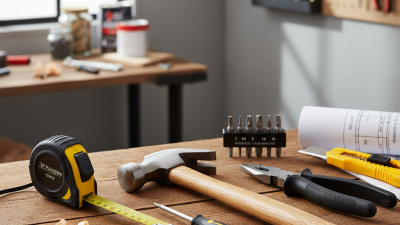
Top 5 Essential Hand Tools Every DIY Enthusiast Should Own
-

Top All Tools for Efficiency and Productivity in Every Domain?
-
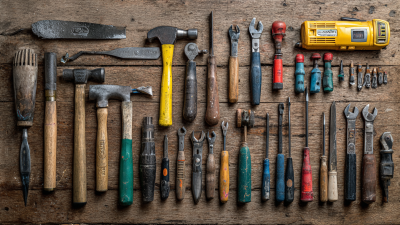
How to Choose the Right Concrete Tools for Your DIY Projects: Expert Tips & Trends
-

How to Choose the Best Professional Tools for Your Business Needs?

© Copyright - Pro Tool & Supply - Site by SVM E-Marketing Solutions - Sitemap
- Privacy policy