- Products
- Air Compressors & Air Tools
- Climate Control
- Compaction Equipment
- Concrete Cutting Tools & Equipment
- Concrete and Masonry
- Demolition & Excavation
- Electrical & Mechanical
- Fasteners and Anchoring Adhesives
- Floor Protection
- Generators and Welders
- Hand Tools
- Heaters
- Janitorial and Office Supplies
- Jobsite Protection
- Ladders & Storage
- Lighting & Lighting Accessories
- Man Lifts
- Material Handling Equipment
- Power Tools
- Pressure Washers & Pumps
- Safety Gear
- Safety Products
- Saws
- Surface Preparation
- SEASONAL PRODUCTS
- Rentals
- Air Compressor and Air Tool Rentals
- Climate Control Rental
- Compaction Rentals
- Concrete Equipment Rentals
- Demolition & Excavation Equipment Rentals
- Concrete Floor Grinder Rentals
- General Construction Equipment Rentals
- Generator Rentals and Welder Rentals
- Heater Rentals
- Light Tower Rentals
- Man Lift Rentals in Massachusetts and Rhode Island
- Material Handling Equipment Rentals
- Pressure Washer & Pump Rentals
- Saw Rentals in New England
- SEASONAL PRODUCTS
- Products
- Air Compressors & Air Tools
- Climate Control
- Compaction Equipment
- Concrete Cutting Tools & Equipment
- Demolition & Excavation
- Electrical & Mechanical
- Floor Protection
- Generators and Welders
- Construction Heaters
- Construction Ladders, Staging, & Storage
- Construction Lighting
- Man Lifts
- Material Handling Equipment
- Industrial Janitorial and Office Supplies
- Pressure Washers & Pumps
- Construction Safety Products
- Construction Safety Gear
- Surface Preparation
- Building Protection
- Diesel Accessories
- Zero Emissions
- Rentals
- Air Compressor and Air Tool Rentals
- Climate Control Rental
- Compaction Rentals
- Concrete Equipment Rental
- Demolition & Excavation Equipment Rental
- General Construction Equipment Rental
- Generator Rentals and Welder Rentals
- Construction Heaters Rental
- Light Tower Rentals
- Man Lift Rentals
- Material Handling Equipment Rental
- Pressure Washer & Pump Rentals
- Saw Rentals in New England
- Concrete Floor Grinder Rentals
- Zero Emissions Rentals
- Repairs & Used
- Parts
- Blog
- Services
- Resources
- About Us
- Contact Us
Sales & Rental of Construction | Industrial Equipment & Supplies


Why Work Tools Are Essential for Productivity and Success?
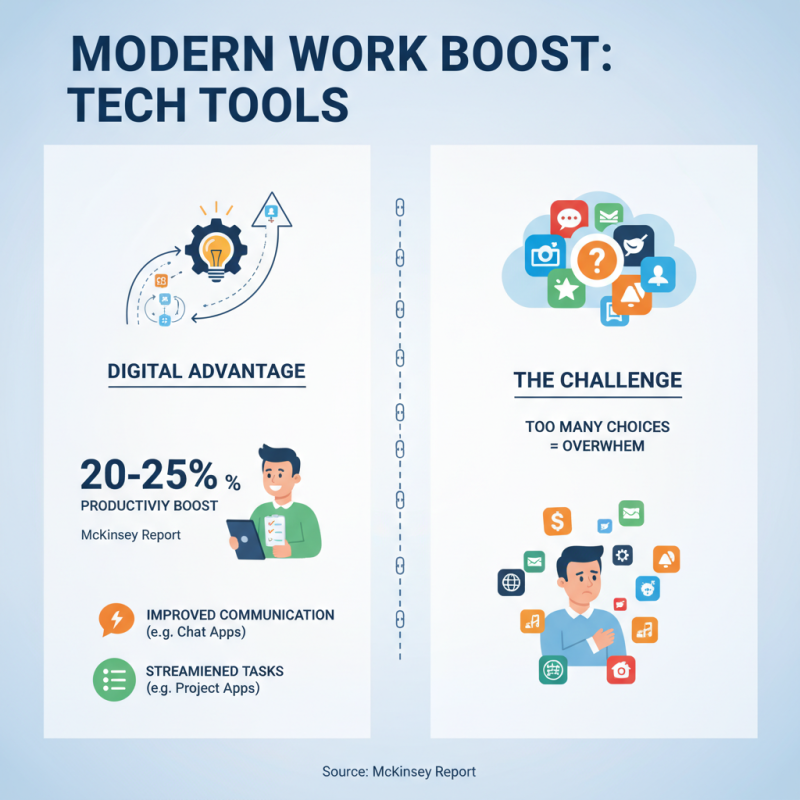
In today's fast-paced work environment, effective work tools are crucial for productivity and success. A recent report by McKinsey revealed that the right tools can improve team productivity by up to 25%. This significant increase illustrates the need for organizations to invest in suitable work tools. These tools enhance collaboration, streamline tasks, and ultimately lead to better outcomes.
However, not all tools guarantee success. A survey conducted by Atlassian highlighted that 50% of teams experience inefficiencies due to ineffective tools. This suggests that choosing the right work tools is not just important; it’s vital. Decision-makers must evaluate their team's unique needs when selecting tools. Features that work for one team may not suit another.
Implementing work tools is not a one-size-fits-all solution. As many organizations strive for improved efficiency, the challenge lies in continuous adaptation. Finding balance is key. While it's essential to have effective tools, over-reliance on them may hinder critical thinking and creativity. Hence, a mindful approach in integrating work tools is necessary for fostering both productivity and innovation.
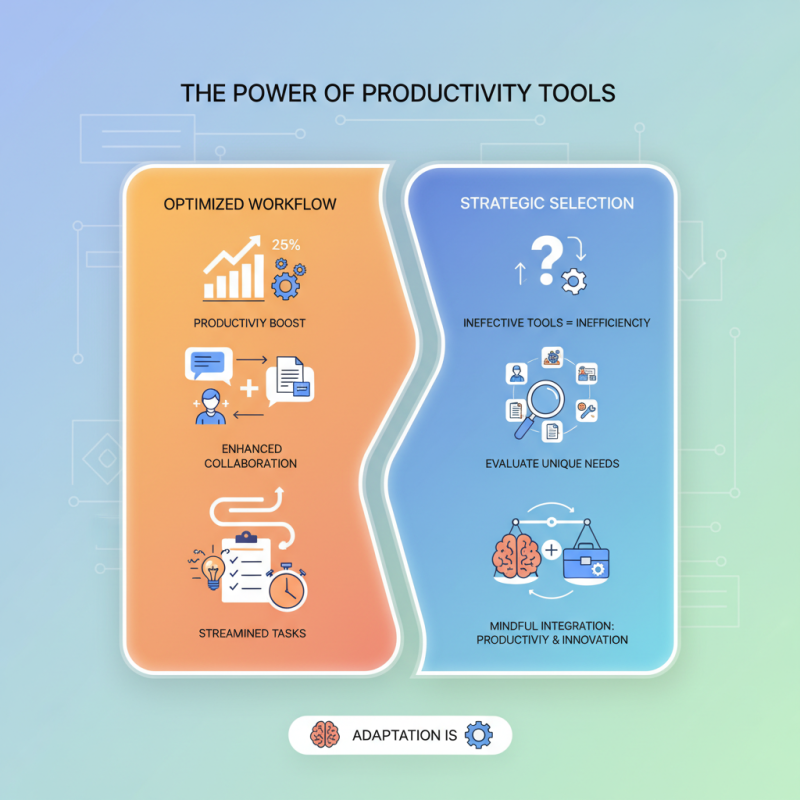
Table of Contents
[Hide]
The Role of Work Tools in Enhancing Efficiency and Workflow
Work tools play a critical role in enhancing efficiency and workflow. A 2020 survey by Productive Insights revealed that teams using the right tools can boost productivity by up to 30%. This significant increase is attributed to streamlined communication and task management. Effective tools help reduce repetitive tasks, allowing employees to focus on their core responsibilities.
However, not all tools deliver optimal results. For instance, a 2019 report by Workplace Dynamics indicated that 40% of employees felt overwhelmed by the number of platforms available. This confusion can lead to decreased productivity. Employees may spend more time navigating tools rather than completing their work. Choosing too many tools can create friction in workflow and reduce overall efficiency.
It's essential to evaluate tool effectiveness regularly. Are they actually improving workflow? Some tools may have a learning curve that disrupts momentum. According to a study by TechScape, 55% of users admit to struggling with tool integration. This reflection leads to the question: Are we using tools that truly fit our needs, or are they hindering our productivity?

Related Posts
-
Unlocking Success with the Right Professional Tools for Every Industry
-

Why You Need Professional Tools for Effective Content Creation and Management
-
Unlocking the Power of All Tools for Everyday Productivity and Creativity
-
Exploring the Evolution of Shop Tools from Handheld Gadgets to Smart Technology
-

Top 10 New Tools Transforming Digital Workflows You Need to Know About
-

Top 10 Essential Shop Tools Every DIY Enthusiast Should Own

© Copyright - Pro Tool & Supply - Site by SVM E-Marketing Solutions - Sitemap
- Privacy policy