- Products
- Air Compressors & Air Tools
- Climate Control
- Compaction Equipment
- Concrete Cutting Tools & Equipment
- Concrete and Masonry
- Demolition & Excavation
- Electrical & Mechanical
- Fasteners and Anchoring Adhesives
- Floor Protection
- Generators and Welders
- Hand Tools
- Heaters
- Janitorial and Office Supplies
- Jobsite Protection
- Ladders & Storage
- Lighting & Lighting Accessories
- Man Lifts
- Material Handling Equipment
- Power Tools
- Pressure Washers & Pumps
- Safety Gear
- Safety Products
- Saws
- Surface Preparation
- SEASONAL PRODUCTS
- Rentals
- Air Compressor and Air Tool Rentals
- Climate Control Rental
- Compaction Rentals
- Concrete Equipment Rentals
- Demolition & Excavation Equipment Rentals
- Concrete Floor Grinder Rentals
- General Construction Equipment Rentals
- Generator Rentals and Welder Rentals
- Heater Rentals
- Light Tower Rentals
- Man Lift Rentals in Massachusetts and Rhode Island
- Material Handling Equipment Rentals
- Pressure Washer & Pump Rentals
- Saw Rentals in New England
- SEASONAL PRODUCTS
- Products
- Air Compressors & Air Tools
- Climate Control
- Compaction Equipment
- Concrete Cutting Tools & Equipment
- Demolition & Excavation
- Electrical & Mechanical
- Floor Protection
- Generators and Welders
- Construction Heaters
- Construction Ladders, Staging, & Storage
- Construction Lighting
- Man Lifts
- Material Handling Equipment
- Industrial Janitorial and Office Supplies
- Pressure Washers & Pumps
- Construction Safety Products
- Construction Safety Gear
- Surface Preparation
- Building Protection
- Diesel Accessories
- Zero Emissions
- Rentals
- Air Compressor and Air Tool Rentals
- Climate Control Rental
- Compaction Rentals
- Concrete Equipment Rental
- Demolition & Excavation Equipment Rental
- General Construction Equipment Rental
- Generator Rentals and Welder Rentals
- Construction Heaters Rental
- Light Tower Rentals
- Man Lift Rentals
- Material Handling Equipment Rental
- Pressure Washer & Pump Rentals
- Saw Rentals in New England
- Concrete Floor Grinder Rentals
- Zero Emissions Rentals
- Repairs & Used
- Parts
- Blog
- Services
- Resources
- About Us
- Contact Us
Sales & Rental of Construction | Industrial Equipment & Supplies


How to Choose the Right Filter Cartridges?
Choosing the right Filter Cartridges begins with understanding the fluid, not browsing a product list. Water, oil, chemicals, beverages, and compressed air each create different filtration demands. A cartridge that performs well in clean water may fail quickly in viscous oil. Worse, it may appear acceptable while allowing harmful particles through.
Dr. David W. Hand, a respected water-treatment researcher, explains, “A filter must be selected for the water, the process, and the goal—not by pore size alone.” That principle remains practical on a busy production floor. Operators should examine particle size, flow rate, temperature, pressure, chemical compatibility, and required cleanliness. A 5-micron rating alone says very little without knowing the testing method. Nominal and absolute ratings are not interchangeable.
Small details matter. A cartridge may fit the housing but still seal poorly. A high-capacity model may reduce replacement work, yet its initial cost can be higher. A finer filter may improve clarity, but it can also create pressure loss and increase energy use. Real operating data helps more than attractive specifications. Measure differential pressure. Record service life. Inspect the removed cartridge.
There is no perfect choice. Sometimes, the first selection is wrong. That is not failure; ignoring the evidence is. A reliable decision balances protection, operating cost, maintenance time, and product quality. This guide explores those factors carefully, helping readers choose Filter Cartridges that match actual process conditions rather than assumptions.
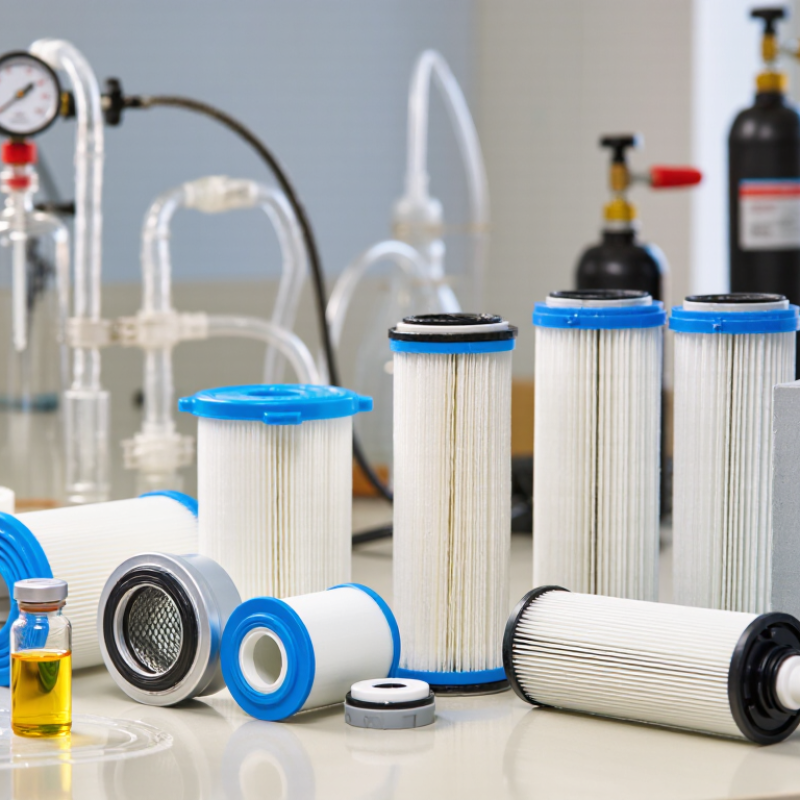
Table of Contents [Hide]
Understanding Filter Cartridge Types and Their Applications
How to Choose the Right Filter Cartridges?
Understanding Filter Cartridge Types and Their Applications
Choosing a filter cartridge starts with understanding how each type handles contamination. Pleated cartridges provide high dirt-holding capacity for water, chemicals, and process fluids. Depth cartridges trap particles throughout their structure, making them useful for cloudy liquids with changing contamination levels. Membrane cartridges offer finer separation when precise particle control matters. Activated carbon cartridges help reduce chlorine, odors, and certain organic compounds.
The application decides more than the micron rating. Check fluid compatibility, operating temperature, pressure, flow rate, and required cleanliness. A cartridge may look suitable but soften, swell, or release fibers in the wrong fluid. In maintenance reviews, unclear replacement intervals often cause pressure loss and unstable production. That detail is easy to miss.
Tips: Compare the cartridge material with the fluid before installation. Use a differential-pressure gauge when possible. Record inlet pressure, outlet pressure, and replacement dates. Verify test data from reliable technical documents, not only sales descriptions. A staged system may work better than one very fine cartridge, because early blockage can increase energy use.
A practical selection should balance protection, service life, and operating cost.
Coarse prefiltration can protect a finer membrane downstream. For drinking-water or sensitive processes, confirm applicable safety requirements and validation records. Do not assume a smaller micron rating always means better performance. Field conditions can challenge laboratory results, and that deserves honest review.

© Copyright - Pro Tool & Supply - Site by SVM E-Marketing Solutions - Sitemap
- Privacy policy