- Products
- Air Compressors & Air Tools
- Climate Control
- Compaction Equipment
- Concrete Cutting Tools & Equipment
- Concrete and Masonry
- Demolition & Excavation
- Electrical & Mechanical
- Fasteners and Anchoring Adhesives
- Floor Protection
- Generators and Welders
- Hand Tools
- Heaters
- Janitorial and Office Supplies
- Jobsite Protection
- Ladders & Storage
- Lighting & Lighting Accessories
- Man Lifts
- Material Handling Equipment
- Power Tools
- Pressure Washers & Pumps
- Safety Gear
- Safety Products
- Saws
- Surface Preparation
- SEASONAL PRODUCTS
- Rentals
- Air Compressor and Air Tool Rentals
- Climate Control Rental
- Compaction Rentals
- Concrete Equipment Rentals
- Demolition & Excavation Equipment Rentals
- Concrete Floor Grinder Rentals
- General Construction Equipment Rentals
- Generator Rentals and Welder Rentals
- Heater Rentals
- Light Tower Rentals
- Man Lift Rentals in Massachusetts and Rhode Island
- Material Handling Equipment Rentals
- Pressure Washer & Pump Rentals
- Saw Rentals in New England
- SEASONAL PRODUCTS
- Products
- Air Compressors & Air Tools
- Climate Control
- Compaction Equipment
- Concrete Cutting Tools & Equipment
- Demolition & Excavation
- Electrical & Mechanical
- Floor Protection
- Generators and Welders
- Construction Heaters
- Construction Ladders, Staging, & Storage
- Construction Lighting
- Man Lifts
- Material Handling Equipment
- Industrial Janitorial and Office Supplies
- Pressure Washers & Pumps
- Construction Safety Products
- Construction Safety Gear
- Surface Preparation
- Building Protection
- Diesel Accessories
- Zero Emissions
- Rentals
- Air Compressor and Air Tool Rentals
- Climate Control Rental
- Compaction Rentals
- Concrete Equipment Rental
- Demolition & Excavation Equipment Rental
- General Construction Equipment Rental
- Generator Rentals and Welder Rentals
- Construction Heaters Rental
- Light Tower Rentals
- Man Lift Rentals
- Material Handling Equipment Rental
- Pressure Washer & Pump Rentals
- Saw Rentals in New England
- Concrete Floor Grinder Rentals
- Zero Emissions Rentals
- Repairs & Used
- Parts
- Blog
- Services
- Resources
- About Us
- Contact Us
Sales & Rental of Construction | Industrial Equipment & Supplies

Top 10 RO Booster Pumps How to Choose the Best?
Choosing the right Ro Booster Pump can determine whether a reverse osmosis system performs smoothly or struggles under daily demand. A pump may look powerful on paper, yet deliver disappointing results when paired with the wrong membrane, tubing size, or pressure switch. This guide examines ten widely used options through practical criteria, not attractive specifications alone.
Pressure matters. So does flow stability. We will compare operating pressure, rated flow, energy use, noise, materials, installation method, and expected service life. Attention will also be given to low-water protection, automatic shutoff compatibility, transformer quality, and replacement parts. These details become visible in real homes, where a pump may start repeatedly, vibrate against a cabinet wall, or run longer than expected during peak use. Manufacturer datasheets provide a starting point, but installer feedback and verified certifications offer stronger evidence where available.
There is no universal best pump. A compact apartment system may need quiet operation, while a busy kitchen may prioritize recovery speed and durability. Some models perform well with stable inlet pressure but lose efficiency when supply conditions change. That limitation deserves honest attention. Our ranking will therefore explain suitable applications, possible weaknesses, and value over time. Readers should still confirm membrane requirements, local electrical standards, warranty terms, and professional installation needs before buying. Specifications can be imperfect. Real conditions are messier.
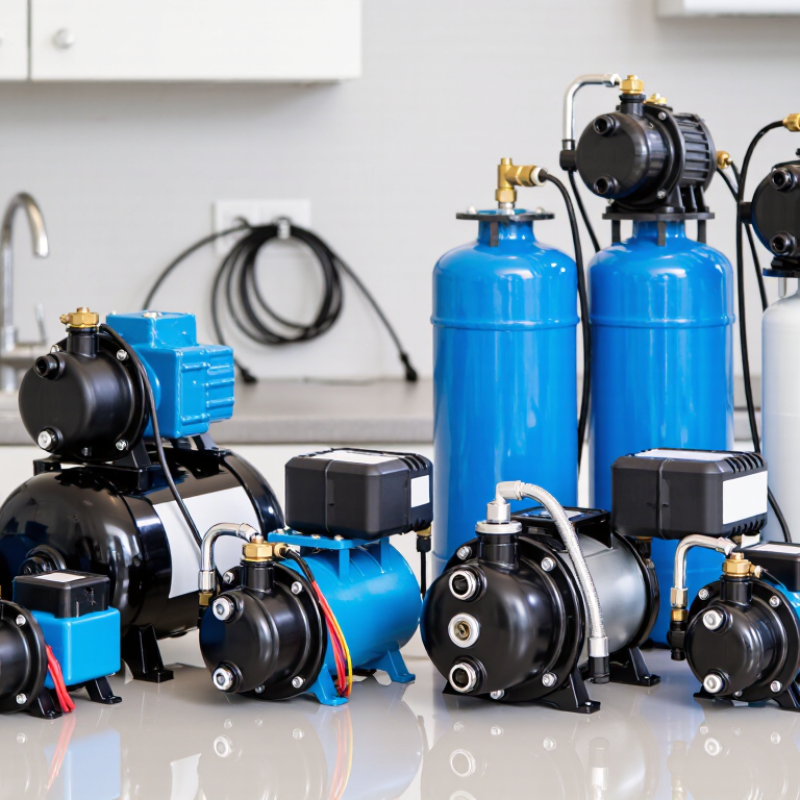
Table of Contents [Hide]
RO Booster Pump Fundamentals: 50–100 psi Inlet Pressure and 15–25% Recovery
Choosing among the top 10 RO booster pumps starts with pressure, not appearance. A suitable pump should help maintain roughly 50–100 psi at the membrane inlet, depending on the system design. This pressure supports stable filtration when household supply pressure falls below the recommended range. Pressure matters. Flow still matters.
Select a pump that matches membrane capacity, feed-water temperature, and total dissolved solids. A pressure gauge makes testing easier, while a pressure switch can prevent unnecessary operation when the storage tank is full. Dry-run protection is valuable when the feed tank may empty. In my experience, a pump that is slightly oversized can create noise, waste energy, or stress fittings. More pressure is not automatically better.
Recovery describes the portion of feed water converted into treated water. Many compact RO systems operate around 15–25% recovery, although the actual figure changes with membrane size, restrictor settings, temperature, and water chemistry. Measure both product and reject flow instead of trusting a printed estimate. A clogged prefilter can reduce production and distort the recovery calculation. I would check pressure after filter replacement, because a clean filter may reveal a different operating condition. Small installation errors can matter. Correct tubing size, secure connections, and regular sanitization also influence reliable performance.

© Copyright - Pro Tool & Supply - Site by SVM E-Marketing Solutions - Sitemap
- Privacy policy