- Products
- Air Compressors & Air Tools
- Climate Control
- Compaction Equipment
- Concrete Cutting Tools & Equipment
- Concrete and Masonry
- Demolition & Excavation
- Electrical & Mechanical
- Fasteners and Anchoring Adhesives
- Floor Protection
- Generators and Welders
- Hand Tools
- Heaters
- Janitorial and Office Supplies
- Jobsite Protection
- Ladders & Storage
- Lighting & Lighting Accessories
- Man Lifts
- Material Handling Equipment
- Power Tools
- Pressure Washers & Pumps
- Safety Gear
- Safety Products
- Saws
- Surface Preparation
- SEASONAL PRODUCTS
- Rentals
- Air Compressor and Air Tool Rentals
- Climate Control Rental
- Compaction Rentals
- Concrete Equipment Rentals
- Demolition & Excavation Equipment Rentals
- Concrete Floor Grinder Rentals
- General Construction Equipment Rentals
- Generator Rentals and Welder Rentals
- Heater Rentals
- Light Tower Rentals
- Man Lift Rentals in Massachusetts and Rhode Island
- Material Handling Equipment Rentals
- Pressure Washer & Pump Rentals
- Saw Rentals in New England
- SEASONAL PRODUCTS
- Products
- Air Compressors & Air Tools
- Climate Control
- Compaction Equipment
- Concrete Cutting Tools & Equipment
- Demolition & Excavation
- Electrical & Mechanical
- Floor Protection
- Generators and Welders
- Construction Heaters
- Construction Ladders, Staging, & Storage
- Construction Lighting
- Man Lifts
- Material Handling Equipment
- Industrial Janitorial and Office Supplies
- Pressure Washers & Pumps
- Construction Safety Products
- Construction Safety Gear
- Surface Preparation
- Building Protection
- Diesel Accessories
- Zero Emissions
- Rentals
- Air Compressor and Air Tool Rentals
- Climate Control Rental
- Compaction Rentals
- Concrete Equipment Rental
- Demolition & Excavation Equipment Rental
- General Construction Equipment Rental
- Generator Rentals and Welder Rentals
- Construction Heaters Rental
- Light Tower Rentals
- Man Lift Rentals
- Material Handling Equipment Rental
- Pressure Washer & Pump Rentals
- Saw Rentals in New England
- Concrete Floor Grinder Rentals
- Zero Emissions Rentals
- Repairs & Used
- Parts
- Blog
- Services
- Resources
- About Us
- Contact Us
Sales & Rental of Construction | Industrial Equipment & Supplies


What are Machine Tools and How Do They Work?
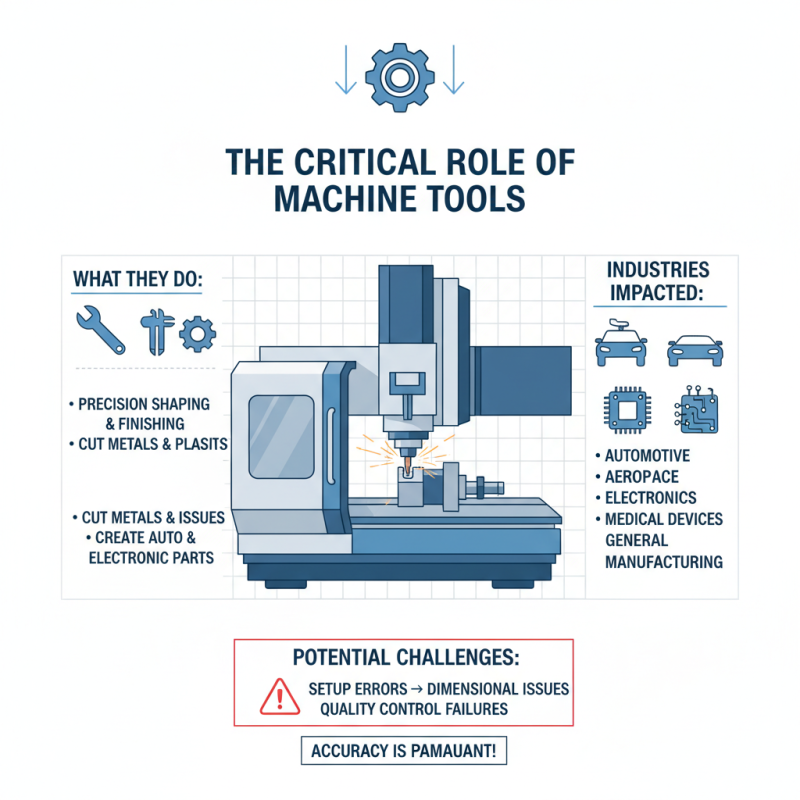
Machine tools play a pivotal role in modern manufacturing. These are powerful machines that shape, cut, and finish materials with precision. They have transformed industries, enhancing productivity and efficiency.
The essence of machine tools lies in their design and function. Each tool is engineered for specific tasks, from drilling to milling. Yet, this specialization can be a double-edged sword. While it allows for intricate designs, it also means high costs and limited versatility.
Understanding machine tools is crucial for anyone in manufacturing. They are not just metal shavers; they represent innovation and technology. Despite their prowess, they can be complex and challenging to operate. Users must be trained and skilled, as mistakes can be costly. The future of machine tools holds promise but also demands reflection on how we adapt.
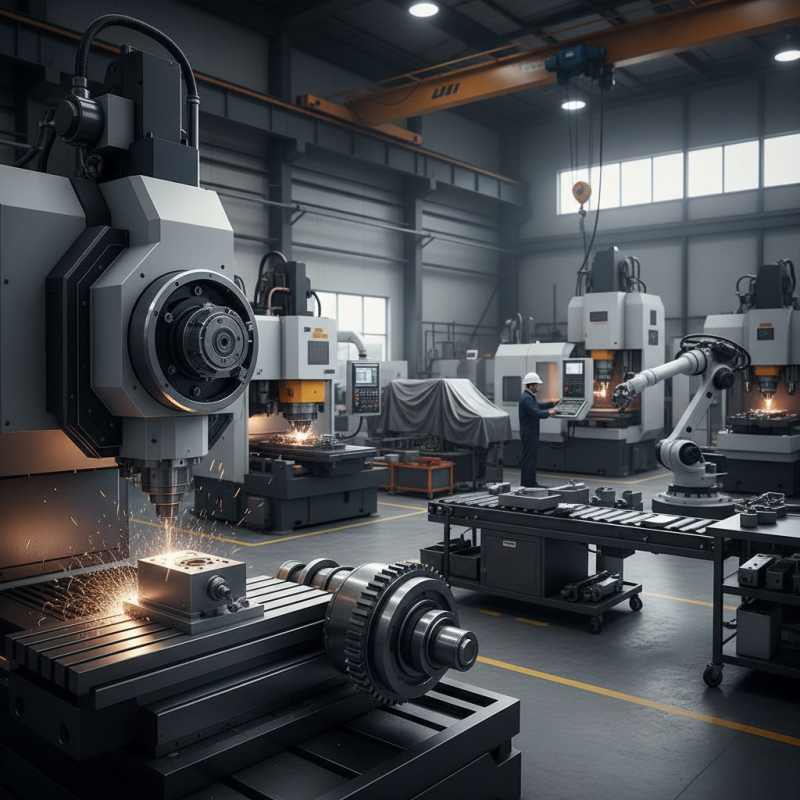
Table of Contents
[Hide]
What Are Machine Tools: Definition and Overview
Machine tools are essential devices used in manufacturing. They change the shape of materials through cutting, grinding, or drilling. These tools help in producing precise components for various industries. They can be operated manually or through computerized systems. The level of automation can significantly affect productivity and precision.
There are various types of machine tools, like lathes and milling machines. Lathes rotate the material against a cutting tool. This generates smooth surfaces and complex shapes. Milling machines use rotary cutters to remove material in multiple directions. Each type has its unique applications, strengths, and weaknesses. Yet, mastering them often requires skill and experience.
Not every machine tool yields flawless results. Operators may face challenges like tool wear or improper settings. Such errors can lead to wasted material and time. Understanding the nuances of each tool is vital for improvement. Continuous learning from mistakes often drives innovation and efficiency in the manufacturing process.

Related Posts
-
Top Machine Tools for Precision Engineering You Need to Know About
-
Top 10 Essential Power Tools Every DIYer Needs in 2023
-
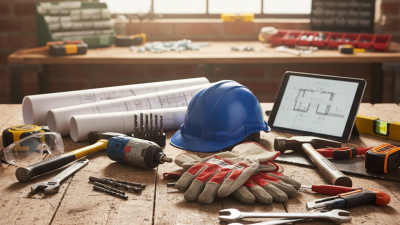
10 Essential Tips for Choosing the Right Construction Tools for Your Projects?
-
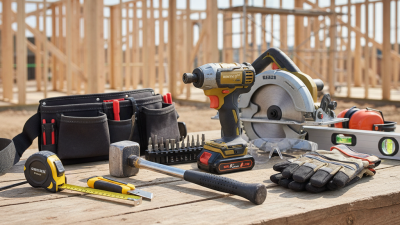
Top 10 Essential Contractor Tools Every Professional Needs Today?
-

2026 How to Use All Tools for Maximum Efficiency?
-
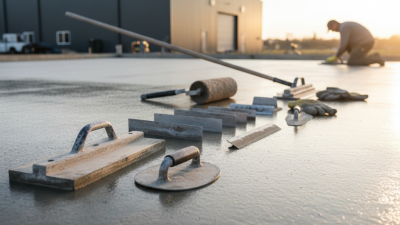
Best Concrete Finishing Tools You Need for a Perfect Smooth Finish

© Copyright - Pro Tool & Supply - Site by SVM E-Marketing Solutions - Sitemap
- Privacy policy