- Products
- Air Compressors & Air Tools
- Climate Control
- Compaction Equipment
- Concrete Cutting Tools & Equipment
- Concrete and Masonry
- Demolition & Excavation
- Electrical & Mechanical
- Fasteners and Anchoring Adhesives
- Floor Protection
- Generators and Welders
- Hand Tools
- Heaters
- Janitorial and Office Supplies
- Jobsite Protection
- Ladders & Storage
- Lighting & Lighting Accessories
- Man Lifts
- Material Handling Equipment
- Power Tools
- Pressure Washers & Pumps
- Safety Gear
- Safety Products
- Saws
- Surface Preparation
- SEASONAL PRODUCTS
- Rentals
- Air Compressor and Air Tool Rentals
- Climate Control Rental
- Compaction Rentals
- Concrete Equipment Rentals
- Demolition & Excavation Equipment Rentals
- Concrete Floor Grinder Rentals
- General Construction Equipment Rentals
- Generator Rentals and Welder Rentals
- Heater Rentals
- Light Tower Rentals
- Man Lift Rentals in Massachusetts and Rhode Island
- Material Handling Equipment Rentals
- Pressure Washer & Pump Rentals
- Saw Rentals in New England
- SEASONAL PRODUCTS
- Products
- Air Compressors & Air Tools
- Climate Control
- Compaction Equipment
- Concrete Cutting Tools & Equipment
- Demolition & Excavation
- Electrical & Mechanical
- Floor Protection
- Generators and Welders
- Construction Heaters
- Construction Ladders, Staging, & Storage
- Construction Lighting
- Man Lifts
- Material Handling Equipment
- Industrial Janitorial and Office Supplies
- Pressure Washers & Pumps
- Construction Safety Products
- Construction Safety Gear
- Surface Preparation
- Building Protection
- Diesel Accessories
- Zero Emissions
- Rentals
- Air Compressor and Air Tool Rentals
- Climate Control Rental
- Compaction Rentals
- Concrete Equipment Rental
- Demolition & Excavation Equipment Rental
- General Construction Equipment Rental
- Generator Rentals and Welder Rentals
- Construction Heaters Rental
- Light Tower Rentals
- Man Lift Rentals
- Material Handling Equipment Rental
- Pressure Washer & Pump Rentals
- Saw Rentals in New England
- Concrete Floor Grinder Rentals
- Zero Emissions Rentals
- Repairs & Used
- Parts
- Blog
- Services
- Resources
- About Us
- Contact Us
Sales & Rental of Construction | Industrial Equipment & Supplies


Top 10 Stamping Press Repair Tips to Maximize Efficiency?
Stamping press equipment is vital in many manufacturing processes. Keeping it in top shape is essential for efficiency. Poorly maintained stamping presses can lead to costly downtime. Repairing stamping presses effectively requires experience and knowledge.
Regular inspections can spot issues early. Look for signs of wear and tear. Pay close attention to hydraulic systems and electrical connections. Minor problems can escalate quickly if ignored. Emphasizing preventive maintenance brings long-term benefits. This not only improves performance but also enhances safety.
Skilled technicians are crucial for effective Stamping Press Repair. Their expertise ensures that repairs are done correctly. Invest in training for staff on proper machine handling and maintenance. Embrace a culture of continuous improvement. Reflecting on past repairs can foster better strategies. Efficient stamping press repair aligns with business goals and productivity.
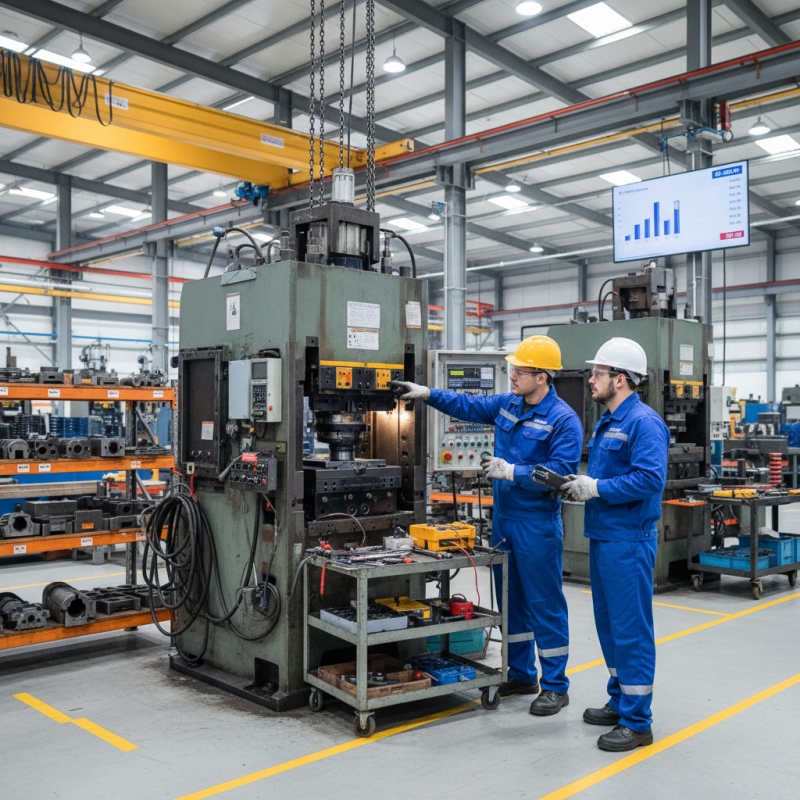
Table of Contents [Hide]
Essential Stamping Press Maintenance Practices for Longevity
To ensure the longevity of your stamping press, implementing essential maintenance practices is crucial. According to industry reports, regular maintenance can increase machinery lifespan by up to 30%. Neglecting maintenance often leads to unexpected breakdowns, costing companies both time and money.
One effective practice is to inspect and lubricate moving parts consistently. Dust and debris can cause friction, leading to premature wear. Proper lubrication minimizes this risk and helps maintain optimal performance. Regular checks on hydraulic systems are equally important. Leaks can go unnoticed but can significantly affect efficiency.
Another tip is to educate your team on the importance of maintenance. Everyone should be able to identify potential issues early on. Frequent training sessions can improve awareness and prevent small problems from escalating. Developing a checklist for daily inspections can also be beneficial. Keeping detailed records of maintenance activities helps in tracking patterns and identifying recurring issues. Overall, a proactive approach can transform your stamping press operations, enhancing both productivity and reliability.
© Copyright - Pro Tool & Supply - Site by SVM E-Marketing Solutions - Sitemap
- Privacy policy