- Products
- Air Compressors & Air Tools
- Climate Control
- Compaction Equipment
- Concrete Cutting Tools & Equipment
- Concrete and Masonry
- Demolition & Excavation
- Electrical & Mechanical
- Fasteners and Anchoring Adhesives
- Floor Protection
- Generators and Welders
- Hand Tools
- Heaters
- Janitorial and Office Supplies
- Jobsite Protection
- Ladders & Storage
- Lighting & Lighting Accessories
- Man Lifts
- Material Handling Equipment
- Power Tools
- Pressure Washers & Pumps
- Safety Gear
- Safety Products
- Saws
- Surface Preparation
- SEASONAL PRODUCTS
- Rentals
- Air Compressor and Air Tool Rentals
- Climate Control Rental
- Compaction Rentals
- Concrete Equipment Rentals
- Demolition & Excavation Equipment Rentals
- Concrete Floor Grinder Rentals
- General Construction Equipment Rentals
- Generator Rentals and Welder Rentals
- Heater Rentals
- Light Tower Rentals
- Man Lift Rentals in Massachusetts and Rhode Island
- Material Handling Equipment Rentals
- Pressure Washer & Pump Rentals
- Saw Rentals in New England
- SEASONAL PRODUCTS
- Products
- Air Compressors & Air Tools
- Climate Control
- Compaction Equipment
- Concrete Cutting Tools & Equipment
- Demolition & Excavation
- Electrical & Mechanical
- Floor Protection
- Generators and Welders
- Construction Heaters
- Construction Ladders, Staging, & Storage
- Construction Lighting
- Man Lifts
- Material Handling Equipment
- Industrial Janitorial and Office Supplies
- Pressure Washers & Pumps
- Construction Safety Products
- Construction Safety Gear
- Surface Preparation
- Building Protection
- Diesel Accessories
- Zero Emissions
- Rentals
- Air Compressor and Air Tool Rentals
- Climate Control Rental
- Compaction Rentals
- Concrete Equipment Rental
- Demolition & Excavation Equipment Rental
- General Construction Equipment Rental
- Generator Rentals and Welder Rentals
- Construction Heaters Rental
- Light Tower Rentals
- Man Lift Rentals
- Material Handling Equipment Rental
- Pressure Washer & Pump Rentals
- Saw Rentals in New England
- Concrete Floor Grinder Rentals
- Zero Emissions Rentals
- Repairs & Used
- Parts
- Blog
- Services
- Resources
- About Us
- Contact Us
Sales & Rental of Construction | Industrial Equipment & Supplies


5 Tips for ANSI Rated Three Phase Oil Transformers?
Selecting an Ansi Rated Three Phase Oil Transformer For Utility Use requires more than comparing voltage, capacity, and price. Field conditions often reveal problems that catalogs do not show. A transformer may look suitable on paper, yet fail to match local load patterns, ambient temperatures, or installation limits.
This guide presents five practical tips for evaluating these transformers. It examines nameplate data, oil quality, cooling performance, insulation strength, and maintenance access. Small details matter. A loose bushing connection can create heat. Poor ventilation can shorten insulation life. Moisture in oil can remain invisible until testing exposes it.
Reliable decisions need evidence. Review factory test reports, certified drawings, and service records before approval. Ask whether the supplier follows applicable ANSI and IEEE transformer practices. Also confirm grounding, protection, noise expectations, and utility specifications with qualified engineers.
Experience helps, but it does not remove uncertainty. A clean inspection report can still miss a developing seal leak. Even experienced teams sometimes focus on electrical ratings and overlook lifting space or oil containment. That mistake is costly. These tips encourage a more complete review, combining technical knowledge with practical field judgment. The best choice is not always the largest unit or the lowest bid. It is the transformer that fits the network, environment, operating duties, and long-term maintenance plan. Plan carefully. Inspect consistently. Improve the process when evidence challenges your assumptions.
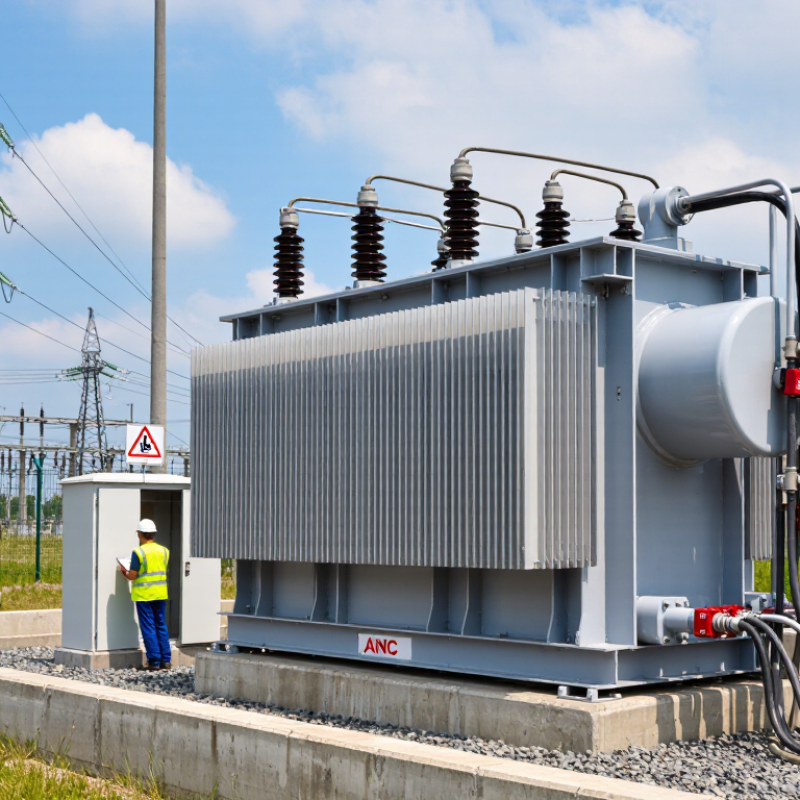
Table of Contents [Hide]
Define ANSI Ratings: 60 Hz, 65°C Winding Rise, and 40°C Ambient
5 Tips for ANSI Rated Three Phase Oil Transformers?
ANSI ratings establish the operating conditions behind a transformer’s nameplate data. For a three phase oil transformer, this means the published capacity assumes a 60 Hz system. Frequency matters because core flux can increase when voltage and frequency do not match. That condition may raise losses, noise, and temperature.
The 65°C winding rise describes how much hotter the windings may become than the surrounding oil under rated load. The oil still removes heat through radiators, ducts, and natural or forced circulation. The 40°C ambient reference defines the outside air condition used for the rating. Hotter sites may require derating, improved cooling, or a larger transformer. Check the actual site temperature, not only the catalog value.
Verify the nameplate frequency. Confirm the winding-rise limit. Review the ambient temperature. Inspect oil level, bushings, and cooling paths during commissioning.
In field reviews, blocked radiator surfaces are a surprisingly common problem. Small details matter. Load records also deserve attention, especially when harmonics or continuous overloads exist. A transformer can appear healthy while operating hotter than expected. One imperfect assumption can shorten insulation life. Engineers should compare factory test data, installation conditions, and measured temperatures before accepting the rating as a complete operating guarantee.

© Copyright - Pro Tool & Supply - Site by SVM E-Marketing Solutions - Sitemap
- Privacy policy