- Products
- Air Compressors & Air Tools
- Climate Control
- Compaction Equipment
- Concrete Cutting Tools & Equipment
- Concrete and Masonry
- Demolition & Excavation
- Electrical & Mechanical
- Fasteners and Anchoring Adhesives
- Floor Protection
- Generators and Welders
- Hand Tools
- Heaters
- Janitorial and Office Supplies
- Jobsite Protection
- Ladders & Storage
- Lighting & Lighting Accessories
- Man Lifts
- Material Handling Equipment
- Power Tools
- Pressure Washers & Pumps
- Safety Gear
- Safety Products
- Saws
- Surface Preparation
- SEASONAL PRODUCTS
- Rentals
- Air Compressor and Air Tool Rentals
- Climate Control Rental
- Compaction Rentals
- Concrete Equipment Rentals
- Demolition & Excavation Equipment Rentals
- Concrete Floor Grinder Rentals
- General Construction Equipment Rentals
- Generator Rentals and Welder Rentals
- Heater Rentals
- Light Tower Rentals
- Man Lift Rentals in Massachusetts and Rhode Island
- Material Handling Equipment Rentals
- Pressure Washer & Pump Rentals
- Saw Rentals in New England
- SEASONAL PRODUCTS
- Products
- Air Compressors & Air Tools
- Climate Control
- Compaction Equipment
- Concrete Cutting Tools & Equipment
- Demolition & Excavation
- Electrical & Mechanical
- Floor Protection
- Generators and Welders
- Construction Heaters
- Construction Ladders, Staging, & Storage
- Construction Lighting
- Man Lifts
- Material Handling Equipment
- Industrial Janitorial and Office Supplies
- Pressure Washers & Pumps
- Construction Safety Products
- Construction Safety Gear
- Surface Preparation
- Building Protection
- Diesel Accessories
- Zero Emissions
- Rentals
- Air Compressor and Air Tool Rentals
- Climate Control Rental
- Compaction Rentals
- Concrete Equipment Rental
- Demolition & Excavation Equipment Rental
- General Construction Equipment Rental
- Generator Rentals and Welder Rentals
- Construction Heaters Rental
- Light Tower Rentals
- Man Lift Rentals
- Material Handling Equipment Rental
- Pressure Washer & Pump Rentals
- Saw Rentals in New England
- Concrete Floor Grinder Rentals
- Zero Emissions Rentals
- Repairs & Used
- Parts
- Blog
- Services
- Resources
- About Us
- Contact Us
Sales & Rental of Construction | Industrial Equipment & Supplies

What is Titanium Hex Head Bolts and How to Choose Them?
Titanium Hex Head Bolts are critical components in various industries, including aerospace, automotive, and marine applications. These bolts are known for their high strength-to-weight ratio and corrosion resistance. As reported by the Global Fastener Industry Report, the demand for titanium fasteners is projected to grow by 7% annually through 2025. This growth reflects a trend towards lightweight materials in design and manufacturing.
Industry expert Dr. Emily Chen, a leading materials scientist, emphasizes the importance of selecting the right titanium hex head bolts: “Choosing the correct fastener can make or break the integrity of your project.” Her insights underline a common challenge faced by engineers. Many overlook parameters like bolt grade and environmental factors impacting performance.
Deciding on the right titanium hex head bolts requires not only knowledge but also careful consideration of specific application needs. Missteps in choices can lead to failures. Evaluating options involves understanding specifications and performance metrics. Striking a balance between cost and quality is essential for achieving long-term success in any project. As industries advance, the role of titanium hex head bolts will be increasingly significant.
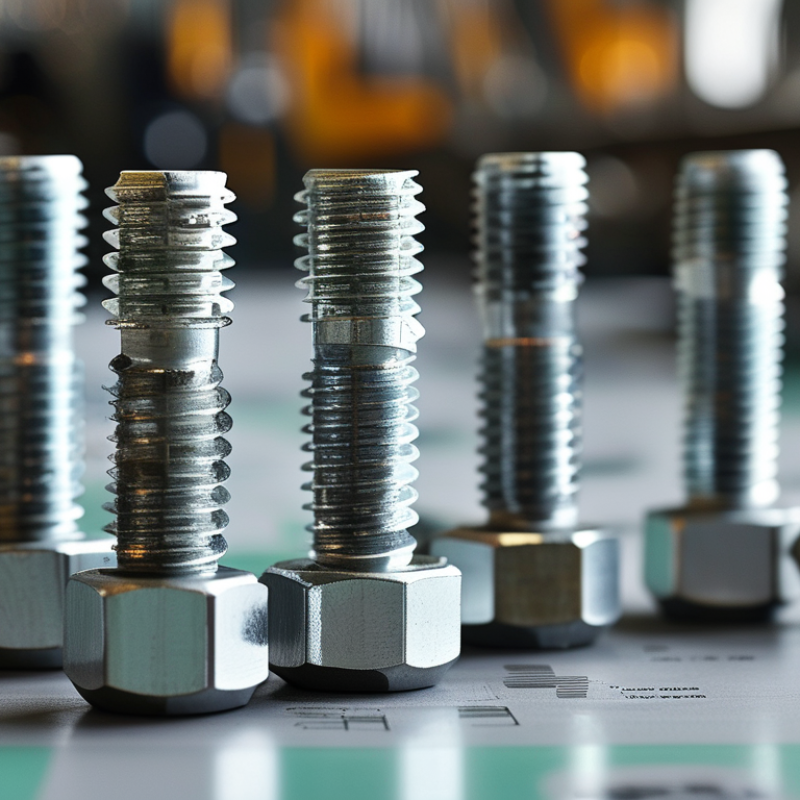
Table of Contents [Hide]
Definition and Characteristics of Titanium Hex Head Bolts
Titanium hex head bolts are specialized fasteners made from titanium. They are commonly used in industries requiring high strength and durability. The hexagonal head allows for easy installation with standard tools. Titanium offers excellent corrosion resistance, making these bolts ideal for marine and chemical applications. Their lightweight nature also contributes to overall weight reduction in various projects.
When choosing titanium hex head bolts, consider the specific requirements of your project. Factors such as load-bearing capacity, environmental conditions, and material compatibility are essential. Not all titanium is the same; grades vary in strength and corrosion resistance. Selecting the right grade is critical for performance.
It's also vital to ensure proper torque specifications during installation. Over-torquing can lead to bolt failure. Inspect bolts regularly for any signs of wear or loosening. Maintaining a checklist for quality assurance can help identify potential issues early. Proper storage of bolts is important too; keep them in a dry, controlled environment to avoid oxidation. This attention to detail will enhance the reliability of your projects.

© Copyright - Pro Tool & Supply - Site by SVM E-Marketing Solutions - Sitemap
- Privacy policy