- Products
- Air Compressors & Air Tools
- Climate Control
- Compaction Equipment
- Concrete Cutting Tools & Equipment
- Concrete and Masonry
- Demolition & Excavation
- Electrical & Mechanical
- Fasteners and Anchoring Adhesives
- Floor Protection
- Generators and Welders
- Hand Tools
- Heaters
- Janitorial and Office Supplies
- Jobsite Protection
- Ladders & Storage
- Lighting & Lighting Accessories
- Man Lifts
- Material Handling Equipment
- Power Tools
- Pressure Washers & Pumps
- Safety Gear
- Safety Products
- Saws
- Surface Preparation
- SEASONAL PRODUCTS
- Rentals
- Air Compressor and Air Tool Rentals
- Climate Control Rental
- Compaction Rentals
- Concrete Equipment Rentals
- Demolition & Excavation Equipment Rentals
- Concrete Floor Grinder Rentals
- General Construction Equipment Rentals
- Generator Rentals and Welder Rentals
- Heater Rentals
- Light Tower Rentals
- Man Lift Rentals in Massachusetts and Rhode Island
- Material Handling Equipment Rentals
- Pressure Washer & Pump Rentals
- Saw Rentals in New England
- SEASONAL PRODUCTS
- Products
- Air Compressors & Air Tools
- Climate Control
- Compaction Equipment
- Concrete Cutting Tools & Equipment
- Demolition & Excavation
- Electrical & Mechanical
- Floor Protection
- Generators and Welders
- Construction Heaters
- Construction Ladders, Staging, & Storage
- Construction Lighting
- Man Lifts
- Material Handling Equipment
- Industrial Janitorial and Office Supplies
- Pressure Washers & Pumps
- Construction Safety Products
- Construction Safety Gear
- Surface Preparation
- Building Protection
- Diesel Accessories
- Zero Emissions
- Rentals
- Air Compressor and Air Tool Rentals
- Climate Control Rental
- Compaction Rentals
- Concrete Equipment Rental
- Demolition & Excavation Equipment Rental
- General Construction Equipment Rental
- Generator Rentals and Welder Rentals
- Construction Heaters Rental
- Light Tower Rentals
- Man Lift Rentals
- Material Handling Equipment Rental
- Pressure Washer & Pump Rentals
- Saw Rentals in New England
- Concrete Floor Grinder Rentals
- Zero Emissions Rentals
- Repairs & Used
- Parts
- Blog
- Services
- Resources
- About Us
- Contact Us
Sales & Rental of Construction | Industrial Equipment & Supplies


China Top 10 Signal Converter Manufacturers?
China’s manufacturing base is creating sustained demand for precise, reliable Signal Converter technology. These devices translate voltage, current, thermocouple, frequency, or digital signals across incompatible control systems. They often work quietly inside a cabinet, yet one unstable conversion can distort a temperature reading or stop a production line.
The International Federation of Robotics reported 276,288 industrial robots installed in China during 2023, representing approximately 51% of global installations. This scale indicates a large ecosystem for sensors, PLCs, drives, data acquisition, and signal interfaces. MarketsandMarkets’ Industrial Automation Market report also projects strong global expansion, estimating growth from about USD 205.9 billion in 2024 to USD 395.1 billion by 2029. These figures do not measure signal converters directly. They still reveal the industrial demand surrounding them.
That distinction matters. Market definitions vary.
This “China Top 10 Signal Converter Manufacturers” overview should therefore assess more than product variety. It should examine isolation performance, conversion accuracy, response time, EMC resistance, operating temperature, certification, customization capability, and after-sales support. Manufacturers serving chemical plants may prioritize galvanic isolation and hazardous-area documentation. Factory automation buyers may value compact DIN-rail designs, stable calibration, and fast replacement.
The ranking is not an official industry standard. It is a practical comparison based on publicly available specifications, manufacturing experience, application coverage, export capability, and customer evidence. Some companies disclose limited test data, which deserves caution. A polished catalogue is not proof of field reliability. Verification remains essential.
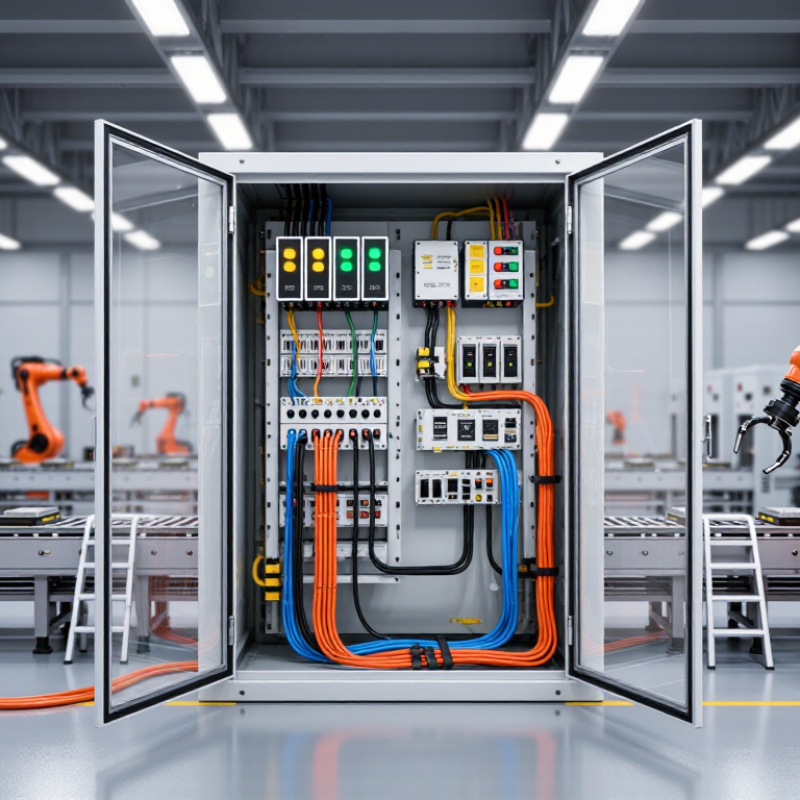
Table of Contents [Hide]
What Is a Signal Converter and Why Does It Matter?
A signal converter changes one electrical or communication signal into another form that connected equipment can understand. Common examples include converting 4–20 mA into 0–10 V, or translating serial data between different interfaces. The device may look small, but its role is important. Without proper conversion, a sensor and controller may exchange incorrect values or fail to communicate.
In industrial cabinets, I have seen a converter stabilize readings between a field sensor and a control system. The cabinet was warm, cables ran beside power lines, and electrical noise affected the display. A suitable converter with signal isolation reduced interference and protected the controller from ground-loop problems. Accuracy, response time, input range, and isolation voltage all matter. Small details matter.
A reliable selection begins with the datasheets. Check wiring, impedance, calibration requirements, and environmental limits. A converter cannot repair a damaged sensor or remove every source of noise. That assumption can fail. Testing the device under real load is wiser than trusting a product label alone. Engineers should also inspect terminal quality and verify the output with a calibrated meter. In practice, even a technically correct converter may perform poorly when wiring, grounding, or temperature is ignored.

© Copyright - Pro Tool & Supply - Site by SVM E-Marketing Solutions - Sitemap
- Privacy policy