- Products
- Air Compressors & Air Tools
- Climate Control
- Compaction Equipment
- Concrete Cutting Tools & Equipment
- Concrete and Masonry
- Demolition & Excavation
- Electrical & Mechanical
- Fasteners and Anchoring Adhesives
- Floor Protection
- Generators and Welders
- Hand Tools
- Heaters
- Janitorial and Office Supplies
- Jobsite Protection
- Ladders & Storage
- Lighting & Lighting Accessories
- Man Lifts
- Material Handling Equipment
- Power Tools
- Pressure Washers & Pumps
- Safety Gear
- Safety Products
- Saws
- Surface Preparation
- SEASONAL PRODUCTS
- Rentals
- Air Compressor and Air Tool Rentals
- Climate Control Rental
- Compaction Rentals
- Concrete Equipment Rentals
- Demolition & Excavation Equipment Rentals
- Concrete Floor Grinder Rentals
- General Construction Equipment Rentals
- Generator Rentals and Welder Rentals
- Heater Rentals
- Light Tower Rentals
- Man Lift Rentals in Massachusetts and Rhode Island
- Material Handling Equipment Rentals
- Pressure Washer & Pump Rentals
- Saw Rentals in New England
- SEASONAL PRODUCTS
- Products
- Air Compressors & Air Tools
- Climate Control
- Compaction Equipment
- Concrete Cutting Tools & Equipment
- Demolition & Excavation
- Electrical & Mechanical
- Floor Protection
- Generators and Welders
- Construction Heaters
- Construction Ladders, Staging, & Storage
- Construction Lighting
- Man Lifts
- Material Handling Equipment
- Industrial Janitorial and Office Supplies
- Pressure Washers & Pumps
- Construction Safety Products
- Construction Safety Gear
- Surface Preparation
- Building Protection
- Diesel Accessories
- Zero Emissions
- Rentals
- Air Compressor and Air Tool Rentals
- Climate Control Rental
- Compaction Rentals
- Concrete Equipment Rental
- Demolition & Excavation Equipment Rental
- General Construction Equipment Rental
- Generator Rentals and Welder Rentals
- Construction Heaters Rental
- Light Tower Rentals
- Man Lift Rentals
- Material Handling Equipment Rental
- Pressure Washer & Pump Rentals
- Saw Rentals in New England
- Concrete Floor Grinder Rentals
- Zero Emissions Rentals
- Repairs & Used
- Parts
- Blog
- Services
- Resources
- About Us
- Contact Us
Sales & Rental of Construction | Industrial Equipment & Supplies


China Top Steel Wire Mesh Manufacturers and Suppliers
China Top Steel Wire Mesh Manufacturers and Suppliers serve construction, agriculture, mining, infrastructure, and industrial processing markets worldwide. Their product ranges may include welded mesh, woven mesh, expanded metal, perforated sheets, and reinforcing mesh. Each type suits different working conditions. For example, welded panels can support concrete reinforcement, while stainless steel screens resist moisture and chemical exposure. The right choice depends on wire diameter, opening size, surface treatment, load requirements, and installation conditions.
Reliable manufacturers usually provide clear technical drawings, material grades, dimensional tolerances, and production samples. They should explain whether the mesh uses galvanized, stainless steel, or coated wire. Factory experience matters. A practical supplier can discuss welding strength, roll length, panel flatness, packaging, and container loading. Quality teams may check aperture accuracy, coating thickness, weld consistency, and tensile performance. Test reports and certifications can support purchasing decisions, but buyers should still verify their authenticity and relevance.
Details matter.
Not every large factory offers the best fit. Some suppliers communicate well but provide limited customization. Others quote quickly, yet overlook packaging or local standards. This is where careful comparison becomes valuable. Buyers should request recent samples, inspect visible welds, confirm production capacity, and review previous export experience. Clear communication reduces costly misunderstandings. However, no supplier should be judged by marketing claims alone. A dependable Steel Wire Mesh partner earns trust through consistent products, honest lead times, responsive service, and transparent quality control from raw wire to final shipment.
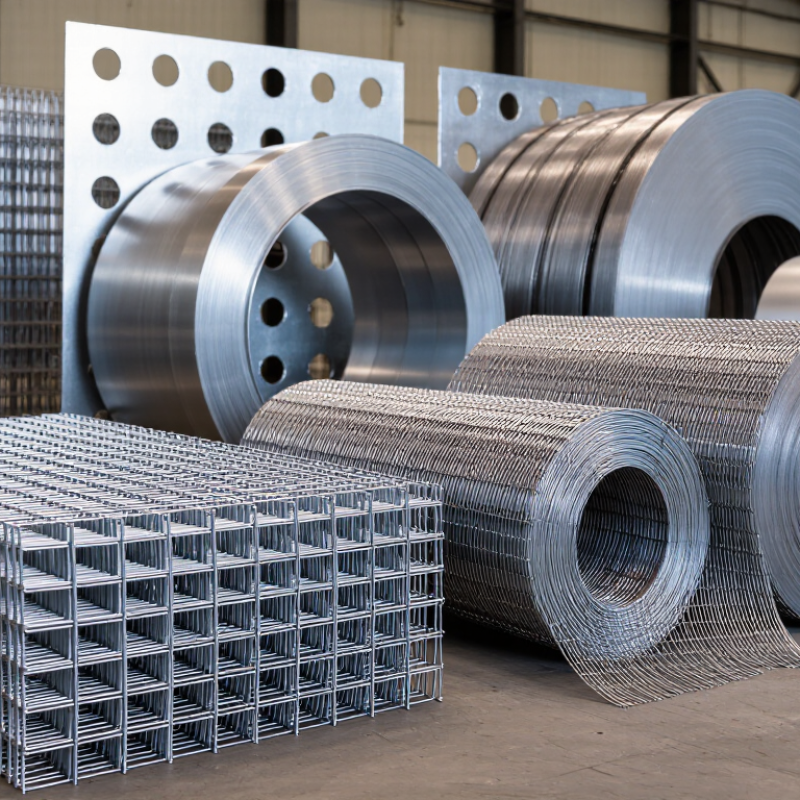
Table of Contents [Hide]
Steel Wire Mesh in China: Types, Standards, and Common Applications
China’s steel wire mesh industry supplies materials for construction, mining, agriculture, filtration, and industrial processing. Common types include welded mesh, woven mesh, chain-link mesh, and hexagonal mesh. Each type behaves differently under load, impact, and corrosion.
Specifications usually cover wire diameter, opening size, panel dimensions, material grade, and surface treatment. Galvanized and stainless steel options suit different environments.
Project buyers often compare Chinese GB requirements with ASTM, EN, or ISO specifications. These systems are not always interchangeable.
A qualified supplier should provide material certificates, dimensional inspection records, weld tests, and coating measurements. A simple sample is not enough.
In construction, welded reinforcement mesh supports concrete slabs, walls, and precast components. Woven mesh can screen aggregate, coal, or powder by controlling particle size.
Chain-link mesh is widely used for boundaries, sports areas, and animal enclosures. Hexagonal mesh helps protect soil and stabilize slopes when filled with stone.
For example, a 2.5-millimeter wire with a 25-millimeter opening may suit light screening, but not heavy impact service. The correct choice depends on load, humidity, temperature, and installation method. In practice, drawings may omit important details. Buyers should confirm tolerances, edge finishing, packaging, and testing before production.

© Copyright - Pro Tool & Supply - Site by SVM E-Marketing Solutions - Sitemap
- Privacy policy