- Products
- Air Compressors & Air Tools
- Climate Control
- Compaction Equipment
- Concrete Cutting Tools & Equipment
- Concrete and Masonry
- Demolition & Excavation
- Electrical & Mechanical
- Fasteners and Anchoring Adhesives
- Floor Protection
- Generators and Welders
- Hand Tools
- Heaters
- Janitorial and Office Supplies
- Jobsite Protection
- Ladders & Storage
- Lighting & Lighting Accessories
- Man Lifts
- Material Handling Equipment
- Power Tools
- Pressure Washers & Pumps
- Safety Gear
- Safety Products
- Saws
- Surface Preparation
- SEASONAL PRODUCTS
- Rentals
- Air Compressor and Air Tool Rentals
- Climate Control Rental
- Compaction Rentals
- Concrete Equipment Rentals
- Demolition & Excavation Equipment Rentals
- Concrete Floor Grinder Rentals
- General Construction Equipment Rentals
- Generator Rentals and Welder Rentals
- Heater Rentals
- Light Tower Rentals
- Man Lift Rentals in Massachusetts and Rhode Island
- Material Handling Equipment Rentals
- Pressure Washer & Pump Rentals
- Saw Rentals in New England
- SEASONAL PRODUCTS
- Products
- Air Compressors & Air Tools
- Climate Control
- Compaction Equipment
- Concrete Cutting Tools & Equipment
- Demolition & Excavation
- Electrical & Mechanical
- Floor Protection
- Generators and Welders
- Construction Heaters
- Construction Ladders, Staging, & Storage
- Construction Lighting
- Man Lifts
- Material Handling Equipment
- Industrial Janitorial and Office Supplies
- Pressure Washers & Pumps
- Construction Safety Products
- Construction Safety Gear
- Surface Preparation
- Building Protection
- Diesel Accessories
- Zero Emissions
- Rentals
- Air Compressor and Air Tool Rentals
- Climate Control Rental
- Compaction Rentals
- Concrete Equipment Rental
- Demolition & Excavation Equipment Rental
- General Construction Equipment Rental
- Generator Rentals and Welder Rentals
- Construction Heaters Rental
- Light Tower Rentals
- Man Lift Rentals
- Material Handling Equipment Rental
- Pressure Washer & Pump Rentals
- Saw Rentals in New England
- Concrete Floor Grinder Rentals
- Zero Emissions Rentals
- Repairs & Used
- Parts
- Blog
- Services
- Resources
- About Us
- Contact Us
Sales & Rental of Construction | Industrial Equipment & Supplies


China Top Heavy Duty Paint Manufacturers for Global Buyers
China has become a significant sourcing base for Heavy Duty Paint used in factories, warehouses, bridges, machinery, and transport equipment. Global buyers often look beyond price. They need dependable coating performance, clear technical documents, stable production, and responsive communication. The right manufacturer should understand harsh conditions, including abrasion, moisture, chemicals, salt spray, and changing temperatures.
This guide examines Chinese manufacturers through practical buying criteria. It considers product ranges, resin technology, surface preparation advice, laboratory testing, production capacity, and export experience. Buyers may compare epoxy primers, polyurethane topcoats, alkyd systems, zinc-rich coatings, and other industrial solutions. Specific details matter. A useful technical data sheet should state mixing ratios, recommended film thickness, drying time, coverage, application tools, and storage conditions. Samples and batch testing can reveal problems that brochures often hide.
No supplier is perfect. That matters. Some manufacturers offer strong formulas but limited customization. Others communicate well but provide weaker evidence for long-term durability. Buyers should verify certificates, test methods, quality controls, packaging, and project references before placing large orders. Local climate and substrate conditions also influence performance, so product selection should involve qualified technical advice. This article presents a balanced starting point for global buyers seeking reliable Chinese Heavy Duty Paint manufacturers. It does not replace independent testing or professional specification review. Careful questions create better purchases. Small details can prevent costly repainting, delayed installation, and unexpected maintenance.
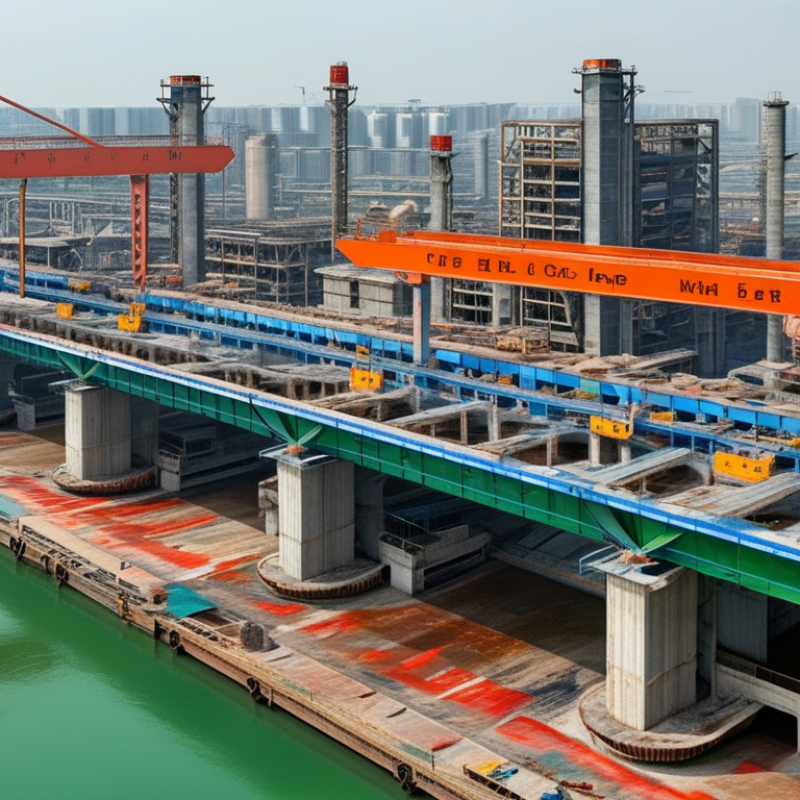
Table of Contents [Hide]
Heavy Duty Paint: Definition, Applications, and Performance Requirements
Heavy duty paint is an engineered coating for surfaces facing abrasion, impact, chemicals, moisture, or repeated temperature changes. It usually combines strong binders, protective pigments, and carefully selected additives. Unlike ordinary decorative paint, it must retain adhesion and film integrity under demanding service conditions. Performance depends on the complete coating system, not only the topcoat.
Typical applications include steel bridges, storage tanks, factory floors, pipelines, agricultural equipment, and heavy machinery. A loading bay may face tire friction, oil spills, dropped tools, and constant cleaning. Marine structures often need resistance to saltwater and persistent humidity. Industrial floors also require balanced hardness and flexibility. Excessive hardness can make a coating brittle. That trade-off is sometimes underestimated.
Professional buyers should review surface preparation requirements, recommended film thickness, curing time, and compatible primers. Salt contamination, poor blasting, or trapped moisture can cause early blistering. Laboratory results are useful, but site conditions can differ sharply. A coating that performs well in dry testing may struggle beside a coastal plant. I have found that application records often reveal more than impressive brochures. Temperature, humidity, mixing ratios, and recoat intervals should be documented. Testing may include adhesion, abrasion, impact, chemical resistance, and weathering. No coating is perfect. A realistic specification should match the actual exposure, maintenance plan, and expected service life.

© Copyright - Pro Tool & Supply - Site by SVM E-Marketing Solutions - Sitemap
- Privacy policy