- Products
- Air Compressors & Air Tools
- Climate Control
- Compaction Equipment
- Concrete Cutting Tools & Equipment
- Concrete and Masonry
- Demolition & Excavation
- Electrical & Mechanical
- Fasteners and Anchoring Adhesives
- Floor Protection
- Generators and Welders
- Hand Tools
- Heaters
- Janitorial and Office Supplies
- Jobsite Protection
- Ladders & Storage
- Lighting & Lighting Accessories
- Man Lifts
- Material Handling Equipment
- Power Tools
- Pressure Washers & Pumps
- Safety Gear
- Safety Products
- Saws
- Surface Preparation
- SEASONAL PRODUCTS
- Rentals
- Air Compressor and Air Tool Rentals
- Climate Control Rental
- Compaction Rentals
- Concrete Equipment Rentals
- Demolition & Excavation Equipment Rentals
- Concrete Floor Grinder Rentals
- General Construction Equipment Rentals
- Generator Rentals and Welder Rentals
- Heater Rentals
- Light Tower Rentals
- Man Lift Rentals in Massachusetts and Rhode Island
- Material Handling Equipment Rentals
- Pressure Washer & Pump Rentals
- Saw Rentals in New England
- SEASONAL PRODUCTS
- Products
- Air Compressors & Air Tools
- Climate Control
- Compaction Equipment
- Concrete Cutting Tools & Equipment
- Demolition & Excavation
- Electrical & Mechanical
- Floor Protection
- Generators and Welders
- Construction Heaters
- Construction Ladders, Staging, & Storage
- Construction Lighting
- Man Lifts
- Material Handling Equipment
- Industrial Janitorial and Office Supplies
- Pressure Washers & Pumps
- Construction Safety Products
- Construction Safety Gear
- Surface Preparation
- Building Protection
- Diesel Accessories
- Zero Emissions
- Rentals
- Air Compressor and Air Tool Rentals
- Climate Control Rental
- Compaction Rentals
- Concrete Equipment Rental
- Demolition & Excavation Equipment Rental
- General Construction Equipment Rental
- Generator Rentals and Welder Rentals
- Construction Heaters Rental
- Light Tower Rentals
- Man Lift Rentals
- Material Handling Equipment Rental
- Pressure Washer & Pump Rentals
- Saw Rentals in New England
- Concrete Floor Grinder Rentals
- Zero Emissions Rentals
- Repairs & Used
- Parts
- Blog
- Services
- Resources
- About Us
- Contact Us
Sales & Rental of Construction | Industrial Equipment & Supplies


What Are China Top Metal Racking System Manufacturers?
China has become a major sourcing base for warehouse storage equipment, including the Metal Racking System. Its manufacturers serve factories, distribution centers, retail warehouses, and cold-chain facilities worldwide. However, “top” should not mean the largest factory alone. It should reflect engineering capability, production consistency, safety testing, and dependable after-sales support.
This introduction explores leading Chinese manufacturers through practical purchasing criteria. It considers rack design, steel grades, load calculations, welding quality, powder coating, and automated production lines. It also examines certifications, factory audits, sample approval, and traceable quality records. A reliable supplier should provide clear drawings, accurate load ratings, installation guidance, and replacement-part support. Site experience matters here. A rack that looks strong in a brochure may perform differently under uneven pallets, forklift impacts, or humid conditions.
Not every manufacturer fits every project. That matters.
Some companies excel at heavy-duty pallet racks. Others focus on carton flow, cantilever storage, or customized mezzanine systems. Pricing can also mislead buyers when steel thickness, surface treatment, or accessories are reduced. A lower quotation may create higher operating costs later. This guide therefore compares manufacturers with a balanced view, rather than treating marketing claims as proof. It also recognizes an unavoidable limitation: supplier rankings can change as factories expand, outsource processes, or improve their testing systems. Careful verification remains necessary before signing a contract. The strongest choice is usually the manufacturer that combines sound engineering, transparent communication, stable delivery, and evidence of real-world performance.
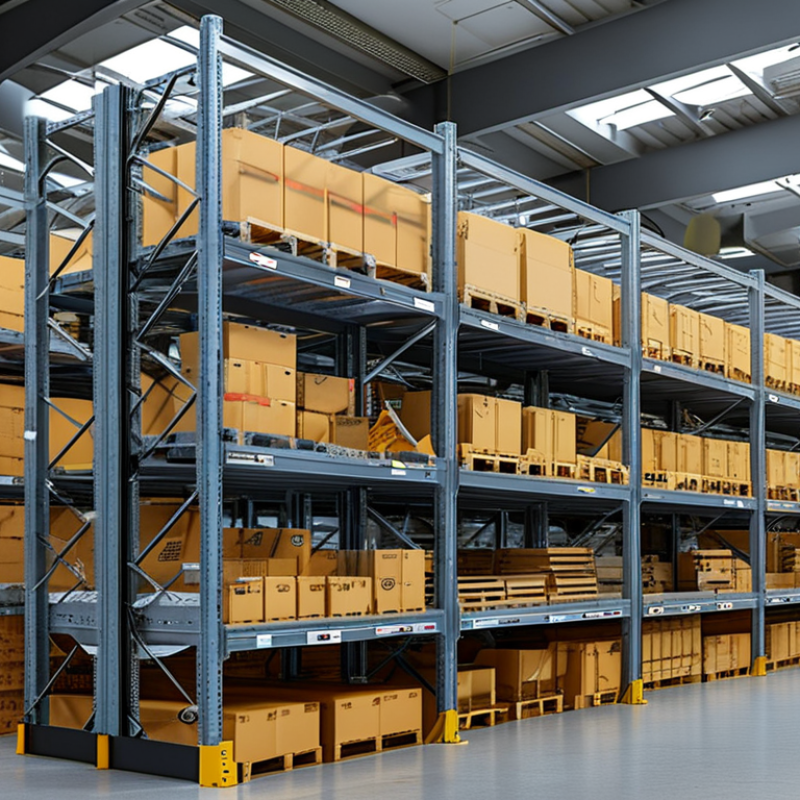
Table of Contents [Hide]
What Are Metal Racking Systems and How Are They Used?
Metal racking systems are engineered steel structures for storing pallets, cartons, tools, and long materials. Common designs include selective pallet racks, drive-in racks, cantilever racks, and multi-tier shelving. Each system changes how workers use aisle space, lifting equipment, and vertical clearance.
Grand View Research estimated the global warehouse racking market at about USD 9.7 billion in 2023. Its report projects continued growth through 2030, driven by e-commerce, inventory expansion, and warehouse modernization. Metal racks support this shift by using vertical space instead of costly floor extensions. In a practical warehouse review, a 6-meter rack can hold several pallet levels, but only when the floor, beams, and forklifts match the design.
Safety depends on more than steel thickness. Load capacity, pallet dimensions, aisle width, anchoring, corrosion protection, and seismic conditions require documented engineering checks. The Occupational Safety and Health Administration advises regular inspection and safe storage practices for material-handling equipment and racks. Manufacturers should therefore provide drawings, rated capacities, installation guidance, and inspection support.
Details matter.
Top manufacturers are not judged only by price. Their capabilities include automated cutting, controlled welding, traceable materials, and tested load performance. However, published capacity figures may assume ideal loading. Real warehouses face uneven pallets, damaged frames, and rushed changes. That gap deserves honest review. Reports from the Material Handling Industry also show growing investment in warehouse technology, yet manual handling remains common. A reliable racking solution must work for both advanced facilities and ordinary operators.

© Copyright - Pro Tool & Supply - Site by SVM E-Marketing Solutions - Sitemap
- Privacy policy