- Products
- Air Compressors & Air Tools
- Climate Control
- Compaction Equipment
- Concrete Cutting Tools & Equipment
- Concrete and Masonry
- Demolition & Excavation
- Electrical & Mechanical
- Fasteners and Anchoring Adhesives
- Floor Protection
- Generators and Welders
- Hand Tools
- Heaters
- Janitorial and Office Supplies
- Jobsite Protection
- Ladders & Storage
- Lighting & Lighting Accessories
- Man Lifts
- Material Handling Equipment
- Power Tools
- Pressure Washers & Pumps
- Safety Gear
- Safety Products
- Saws
- Surface Preparation
- SEASONAL PRODUCTS
- Rentals
- Air Compressor and Air Tool Rentals
- Climate Control Rental
- Compaction Rentals
- Concrete Equipment Rentals
- Demolition & Excavation Equipment Rentals
- Concrete Floor Grinder Rentals
- General Construction Equipment Rentals
- Generator Rentals and Welder Rentals
- Heater Rentals
- Light Tower Rentals
- Man Lift Rentals in Massachusetts and Rhode Island
- Material Handling Equipment Rentals
- Pressure Washer & Pump Rentals
- Saw Rentals in New England
- SEASONAL PRODUCTS
- Products
- Air Compressors & Air Tools
- Climate Control
- Compaction Equipment
- Concrete Cutting Tools & Equipment
- Demolition & Excavation
- Electrical & Mechanical
- Floor Protection
- Generators and Welders
- Construction Heaters
- Construction Ladders, Staging, & Storage
- Construction Lighting
- Man Lifts
- Material Handling Equipment
- Industrial Janitorial and Office Supplies
- Pressure Washers & Pumps
- Construction Safety Products
- Construction Safety Gear
- Surface Preparation
- Building Protection
- Diesel Accessories
- Zero Emissions
- Rentals
- Air Compressor and Air Tool Rentals
- Climate Control Rental
- Compaction Rentals
- Concrete Equipment Rental
- Demolition & Excavation Equipment Rental
- General Construction Equipment Rental
- Generator Rentals and Welder Rentals
- Construction Heaters Rental
- Light Tower Rentals
- Man Lift Rentals
- Material Handling Equipment Rental
- Pressure Washer & Pump Rentals
- Saw Rentals in New England
- Concrete Floor Grinder Rentals
- Zero Emissions Rentals
- Repairs & Used
- Parts
- Blog
- Services
- Resources
- About Us
- Contact Us
Sales & Rental of Construction | Industrial Equipment & Supplies


What Are the Top Panel Light Manufacturers in China?
China has become a major production center for commercial, residential, and industrial Panel Light systems. Its manufacturers range from established lighting groups to specialized factories serving overseas brands. This article examines leading companies through practical buying criteria, not promotional rankings.
Lighting educator James R. Benya has stated, “Good lighting is not just about seeing; it is about creating an environment.” That principle matters when comparing Chinese suppliers. A bright sample alone proves very little. Buyers should examine measured efficacy, color consistency, UGR performance, flicker control, heat management, and driver reliability. A clean ceiling installation can still fail if the light produces glare or visible pulsing.
Real evidence matters.
The strongest manufacturers usually provide photometric files, LM-80 or TM-21 data where applicable, test reports, warranty terms, and traceable production information. Factory experience also appears in small details: stable aluminum frames, uniform diffuser panels, secure terminal blocks, and packaging that protects corners during shipping. Companies such as Opple, NVC Lighting, FSL, PAK, MLS, and Yankon may deserve attention, but their suitability depends on the project and model.
That is where this topic becomes less simple. A famous brand may not offer the best private-label solution. A smaller factory may respond faster, yet lack strong after-sales support. Even published specifications can change between batches.
Therefore, this guide evaluates China’s top Panel Light manufacturers by product quality, engineering capability, customization, compliance support, production scale, and export reliability. Sample testing remains essential. Supplier claims should be checked against independent documents, installation results, and long-term feedback. Good decisions require patience, and sometimes a second inspection.
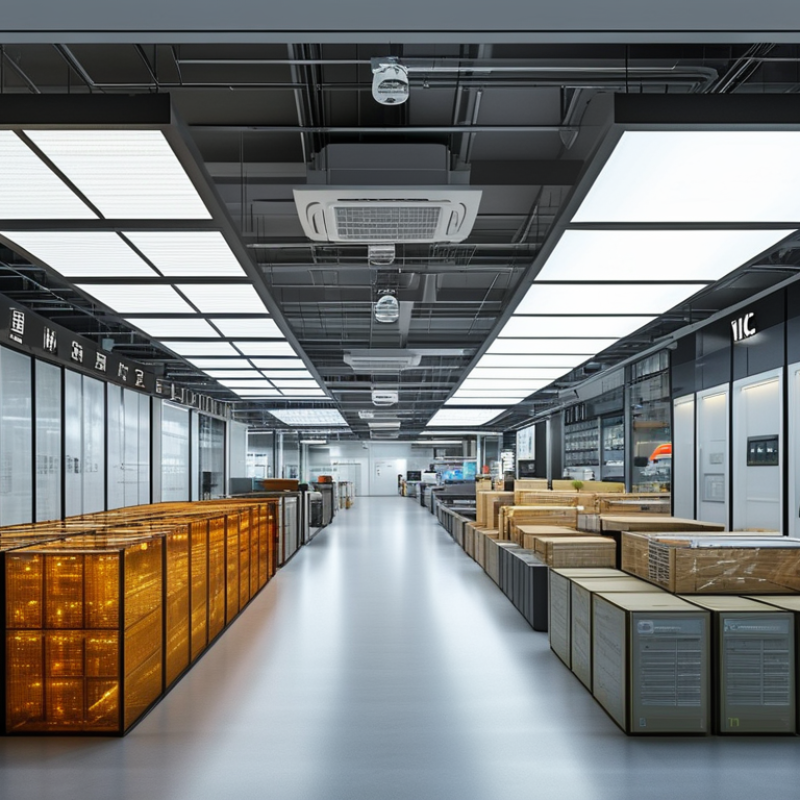
Table of Contents [Hide]
What Are Panel Lights and Why Is China a Major Manufacturing Hub?
Panel lights are flat LED fixtures designed to spread light across a broad, even surface. Their slim frames fit offices, schools, hospitals, shops, and modern homes. Inside, LED chips connect to a driver, while a diffuser softens bright points and reduces glare. The result is clean ceiling lighting with lower energy use than many older fluorescent fixtures. Small details matter. A weak driver can cause flicker, noise, or early failure.
China has become a major manufacturing hub because several production networks operate close together. LED components, aluminum frames, diffusers, circuit boards, packaging, and testing services are often available within the same industrial region. This proximity can shorten development time and reduce transport costs. Manufacturers can also adjust sizes, color temperatures, mounting methods, and control systems for different projects. That flexibility attracts wholesalers and building contractors worldwide.
A reliable evaluation should look beyond price. Ask for test reports, photometric data, color-rendering results, thermal performance, and driver specifications. Check samples after extended operation, not only when they are new. A panel may appear excellent in a showroom but perform poorly in a hot ceiling cavity. No factory is flawless. Even strong suppliers may struggle with inconsistent diffuser batches or changing component quality. Clear inspection records and repeat testing make those risks easier to control. The best purchasing decisions often come from patient verification, not attractive catalog images.

© Copyright - Pro Tool & Supply - Site by SVM E-Marketing Solutions - Sitemap
- Privacy policy