- Products
- Air Compressors & Air Tools
- Climate Control
- Compaction Equipment
- Concrete Cutting Tools & Equipment
- Concrete and Masonry
- Demolition & Excavation
- Electrical & Mechanical
- Fasteners and Anchoring Adhesives
- Floor Protection
- Generators and Welders
- Hand Tools
- Heaters
- Janitorial and Office Supplies
- Jobsite Protection
- Ladders & Storage
- Lighting & Lighting Accessories
- Man Lifts
- Material Handling Equipment
- Power Tools
- Pressure Washers & Pumps
- Safety Gear
- Safety Products
- Saws
- Surface Preparation
- SEASONAL PRODUCTS
- Rentals
- Air Compressor and Air Tool Rentals
- Climate Control Rental
- Compaction Rentals
- Concrete Equipment Rentals
- Demolition & Excavation Equipment Rentals
- Concrete Floor Grinder Rentals
- General Construction Equipment Rentals
- Generator Rentals and Welder Rentals
- Heater Rentals
- Light Tower Rentals
- Man Lift Rentals in Massachusetts and Rhode Island
- Material Handling Equipment Rentals
- Pressure Washer & Pump Rentals
- Saw Rentals in New England
- SEASONAL PRODUCTS
- Products
- Air Compressors & Air Tools
- Climate Control
- Compaction Equipment
- Concrete Cutting Tools & Equipment
- Demolition & Excavation
- Electrical & Mechanical
- Floor Protection
- Generators and Welders
- Construction Heaters
- Construction Ladders, Staging, & Storage
- Construction Lighting
- Man Lifts
- Material Handling Equipment
- Industrial Janitorial and Office Supplies
- Pressure Washers & Pumps
- Construction Safety Products
- Construction Safety Gear
- Surface Preparation
- Building Protection
- Diesel Accessories
- Zero Emissions
- Rentals
- Air Compressor and Air Tool Rentals
- Climate Control Rental
- Compaction Rentals
- Concrete Equipment Rental
- Demolition & Excavation Equipment Rental
- General Construction Equipment Rental
- Generator Rentals and Welder Rentals
- Construction Heaters Rental
- Light Tower Rentals
- Man Lift Rentals
- Material Handling Equipment Rental
- Pressure Washer & Pump Rentals
- Saw Rentals in New England
- Concrete Floor Grinder Rentals
- Zero Emissions Rentals
- Repairs & Used
- Parts
- Blog
- Services
- Resources
- About Us
- Contact Us
Sales & Rental of Construction | Industrial Equipment & Supplies

Top 10 Power Inverters for Your Global Sourcing Needs?
In today’s fast-paced world, having reliable power sources is crucial. One of the most versatile options is the power inverter. It converts DC power to AC, allowing you to use appliances wherever you go. This flexibility makes it invaluable for people who travel, camp, or work remotely.
When selecting the right power inverter, you face many choices. There are different types, sizes, and brands available, each with unique features. Understanding your specific needs is essential. Do you need a high-capacity inverter for heavy-duty equipment? Or is a smaller model sufficient for charging devices?
Power inverters vary in quality. Some are built for performance, while others may lack durability. It’s important to seek reliable products backed by positive user experiences. Research helps you find inverters that truly deliver on their promises. Don't overlook customer reviews; they often highlight performance and potential issues. Making an informed choice can enhance your sourcing strategy and ensure you have the power you need.
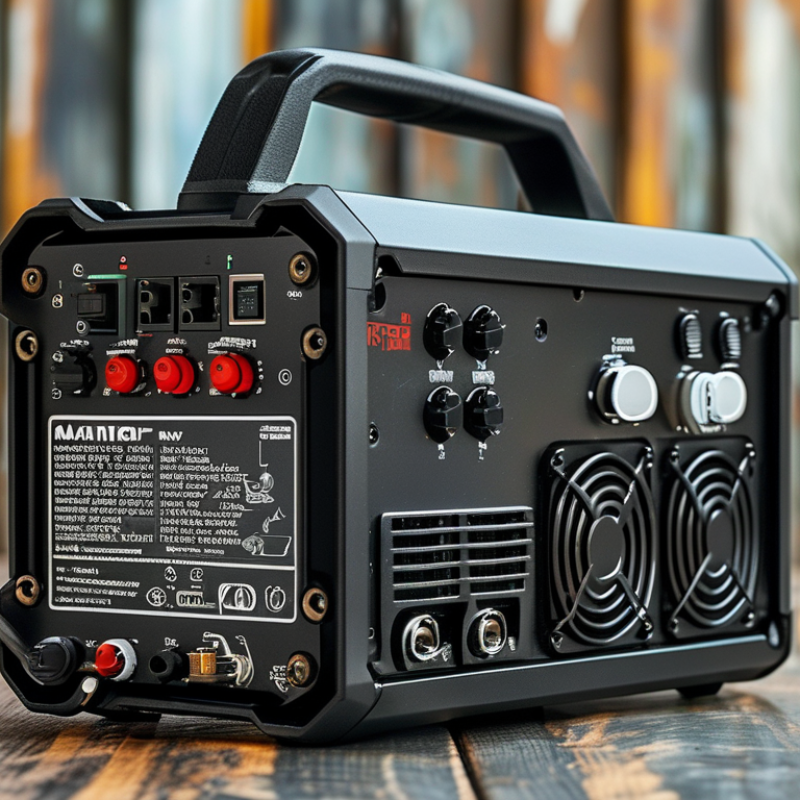
Table of Contents [Hide]
Understanding Power Inverters: What You Need to Know
Power inverters play a crucial role in converting DC power to AC power. This function makes them essential for various applications, from home use to commercial needs. Understanding power inverters ensures informed decisions when selecting the right device. Many people may overlook details while choosing. It is vital to consider the wattage requirements for your devices. A mismatch can lead to inefficient performance or damage.
Sizing your inverter correctly requires understanding power ratings. Look into continuous and peak wattage ratings. These figures determine what your inverter can handle comfortably. It is common for users to underestimate their power needs. Inadequate power can result in devices shutting down unexpectedly. This understanding can significantly impact your operational efficiency.
The efficiency of an inverter is another crucial aspect. Higher efficiency means less energy wasted in the conversion process. Some users might not check efficiency ratings, which can lead to higher energy costs over time. Regular maintenance and monitoring can ensure your inverter continues to perform optimally. This often requires a bit of effort but can help maximize the lifespan of your investment, allowing you to meet your sourcing needs effectively.

© Copyright - Pro Tool & Supply - Site by SVM E-Marketing Solutions - Sitemap
- Privacy policy