- Products
- Air Compressors & Air Tools
- Climate Control
- Compaction Equipment
- Concrete Cutting Tools & Equipment
- Concrete and Masonry
- Demolition & Excavation
- Electrical & Mechanical
- Fasteners and Anchoring Adhesives
- Floor Protection
- Generators and Welders
- Hand Tools
- Heaters
- Janitorial and Office Supplies
- Jobsite Protection
- Ladders & Storage
- Lighting & Lighting Accessories
- Man Lifts
- Material Handling Equipment
- Power Tools
- Pressure Washers & Pumps
- Safety Gear
- Safety Products
- Saws
- Surface Preparation
- SEASONAL PRODUCTS
- Rentals
- Air Compressor and Air Tool Rentals
- Climate Control Rental
- Compaction Rentals
- Concrete Equipment Rentals
- Demolition & Excavation Equipment Rentals
- Concrete Floor Grinder Rentals
- General Construction Equipment Rentals
- Generator Rentals and Welder Rentals
- Heater Rentals
- Light Tower Rentals
- Man Lift Rentals in Massachusetts and Rhode Island
- Material Handling Equipment Rentals
- Pressure Washer & Pump Rentals
- Saw Rentals in New England
- SEASONAL PRODUCTS
- Products
- Air Compressors & Air Tools
- Climate Control
- Compaction Equipment
- Concrete Cutting Tools & Equipment
- Demolition & Excavation
- Electrical & Mechanical
- Floor Protection
- Generators and Welders
- Construction Heaters
- Construction Ladders, Staging, & Storage
- Construction Lighting
- Man Lifts
- Material Handling Equipment
- Industrial Janitorial and Office Supplies
- Pressure Washers & Pumps
- Construction Safety Products
- Construction Safety Gear
- Surface Preparation
- Building Protection
- Diesel Accessories
- Zero Emissions
- Rentals
- Air Compressor and Air Tool Rentals
- Climate Control Rental
- Compaction Rentals
- Concrete Equipment Rental
- Demolition & Excavation Equipment Rental
- General Construction Equipment Rental
- Generator Rentals and Welder Rentals
- Construction Heaters Rental
- Light Tower Rentals
- Man Lift Rentals
- Material Handling Equipment Rental
- Pressure Washer & Pump Rentals
- Saw Rentals in New England
- Concrete Floor Grinder Rentals
- Zero Emissions Rentals
- Repairs & Used
- Parts
- Blog
- Services
- Resources
- About Us
- Contact Us
Sales & Rental of Construction | Industrial Equipment & Supplies


What Are the Best Metal Scaffolding Planks?
Choosing the best Metal Scaffolding Planks is not simply a matter of comparing prices. The right plank must support workers, tools, weather exposure, and repeated handling without creating hidden hazards. OSHA’s 29 CFR 1926.451 requires scaffold platforms to support their intended loads and remain properly secured. That requirement sounds simple. Field conditions are not.
Construction remains a high-risk industry. The U.S. Bureau of Labor Statistics recorded 1,075 construction fatalities in 2023, with falls continuing as a major cause of death. OSHA also identifies scaffold-related falls, falling objects, and structural failure as serious hazards. These figures explain why plank material, load rating, slip resistance, span, and corrosion protection deserve careful comparison. A lightweight aluminum plank may improve handling, while galvanized steel can offer greater durability. Neither option is automatically best.
Scaffolding safety engineer David V. MacCollum states, “A scaffold must be treated as a complete system, not a collection of separate parts.” His point matters here. A strong plank can still fail as part of a poorly assembled platform. The ANSI/ASSP A10.8 standard and manufacturer test data should guide selection, alongside local inspection practices. In real projects, dust, wet boots, bent hooks, and rushed inspections change the risk profile. That is easy to overlook. A useful comparison must therefore examine actual jobsite experience, not only laboratory numbers or marketing claims. The following overview evaluates Metal Scaffolding Planks through those practical and technical measures.
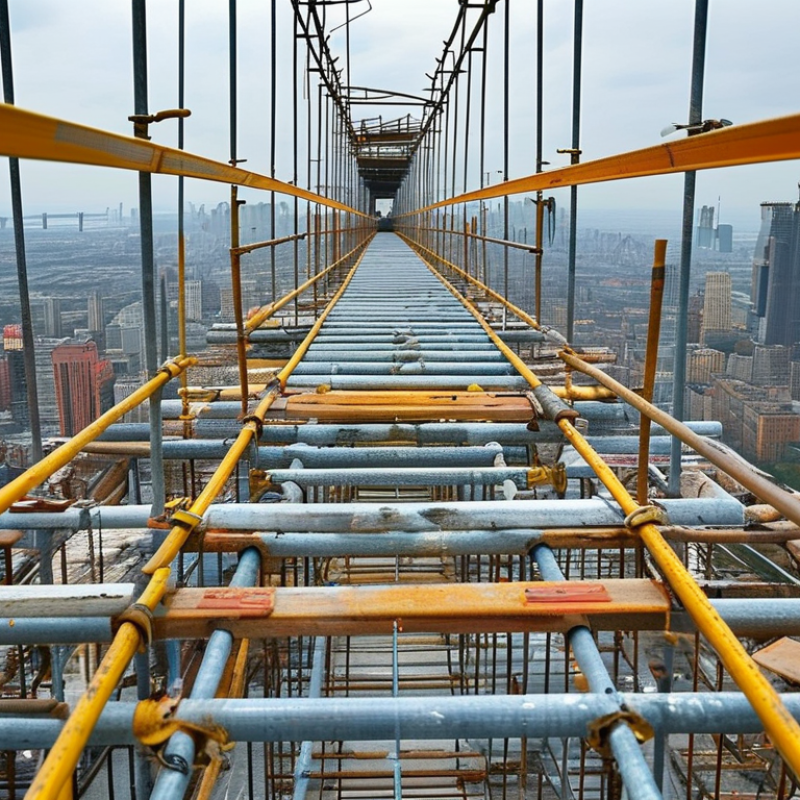
Table of Contents [Hide]
What Metal Scaffolding Planks Are and How They Work
What Are the Best Metal Scaffolding Planks?
Metal scaffolding planks are reusable deck units made from steel or aluminum. They rest across scaffold frames and create a stable working surface. Most designs use folded edges, internal stiffeners, and locking hooks. These parts transfer workers, tools, and materials toward the supporting frames. Perforated surfaces can improve grip and allow rain, dust, and small debris to pass through.
Load capacity is the key working principle. OSHA 29 CFR 1926.451 requires scaffold platforms to support their own weight and at least four times the maximum intended load. EN 12811-1:2003 also evaluates temporary scaffold platforms for strength, stiffness, and serviceability. These requirements explain why plank length, support spacing, and deflection matter. A wider plank is not automatically safer.
The best choice depends on the site. Steel planks usually provide high stiffness and strong resistance to rough handling. Aluminum versions are lighter, which can reduce lifting strain during installation. However, damaged hooks, bent edges, or hidden corrosion can weaken either type. It is tempting to trust a load table alone. That is not enough. A practical inspection should check plank seating, frame spacing, surface damage, and visible deformation before use. The weak point may be the connection, not the metal. Small gaps also deserve attention, because OSHA generally limits platform openings to one inch. Industry guidance is useful, but real conditions still require careful judgment.
© Copyright - Pro Tool & Supply - Site by SVM E-Marketing Solutions - Sitemap
- Privacy policy