- Products
- Air Compressors & Air Tools
- Climate Control
- Compaction Equipment
- Concrete Cutting Tools & Equipment
- Concrete and Masonry
- Demolition & Excavation
- Electrical & Mechanical
- Fasteners and Anchoring Adhesives
- Floor Protection
- Generators and Welders
- Hand Tools
- Heaters
- Janitorial and Office Supplies
- Jobsite Protection
- Ladders & Storage
- Lighting & Lighting Accessories
- Man Lifts
- Material Handling Equipment
- Power Tools
- Pressure Washers & Pumps
- Safety Gear
- Safety Products
- Saws
- Surface Preparation
- SEASONAL PRODUCTS
- Rentals
- Air Compressor and Air Tool Rentals
- Climate Control Rental
- Compaction Rentals
- Concrete Equipment Rentals
- Demolition & Excavation Equipment Rentals
- Concrete Floor Grinder Rentals
- General Construction Equipment Rentals
- Generator Rentals and Welder Rentals
- Heater Rentals
- Light Tower Rentals
- Man Lift Rentals in Massachusetts and Rhode Island
- Material Handling Equipment Rentals
- Pressure Washer & Pump Rentals
- Saw Rentals in New England
- SEASONAL PRODUCTS
- Products
- Air Compressors & Air Tools
- Climate Control
- Compaction Equipment
- Concrete Cutting Tools & Equipment
- Demolition & Excavation
- Electrical & Mechanical
- Floor Protection
- Generators and Welders
- Construction Heaters
- Construction Ladders, Staging, & Storage
- Construction Lighting
- Man Lifts
- Material Handling Equipment
- Industrial Janitorial and Office Supplies
- Pressure Washers & Pumps
- Construction Safety Products
- Construction Safety Gear
- Surface Preparation
- Building Protection
- Diesel Accessories
- Zero Emissions
- Rentals
- Air Compressor and Air Tool Rentals
- Climate Control Rental
- Compaction Rentals
- Concrete Equipment Rental
- Demolition & Excavation Equipment Rental
- General Construction Equipment Rental
- Generator Rentals and Welder Rentals
- Construction Heaters Rental
- Light Tower Rentals
- Man Lift Rentals
- Material Handling Equipment Rental
- Pressure Washer & Pump Rentals
- Saw Rentals in New England
- Concrete Floor Grinder Rentals
- Zero Emissions Rentals
- Repairs & Used
- Parts
- Blog
- Services
- Resources
- About Us
- Contact Us
Sales & Rental of Construction | Industrial Equipment & Supplies


Why Choose a Fast Electric Scooter for Global Buyers?
A Fast Electric Scooter can transform a daily journey from a slow commute into a practical, controlled ride. For global buyers, speed matters, but it should never stand alone. Battery range, braking performance, tire grip, charging time, and frame stability shape the real experience. A scooter that reaches high speed but feels unstable on wet pavement is not a smart purchase.
Micromobility analyst Horace Dediu has said, “The future of transportation is not about cars.” His observation helps explain why electric scooters attract worldwide attention. They fit narrow streets, crowded campuses, and short urban trips. They also produce less noise and require less storage than most cars. Yet, the promise is not perfect. Road quality varies sharply between cities. Local speed limits and equipment requirements also differ. Buyers must check official rules before riding.
A reliable Fast Electric Scooter should match its environment. A commuter in a rainy coastal city may value sealed electronics and strong brakes. Someone climbing steep streets may need higher motor torque and a larger battery. Weight matters too. Carrying a 25-kilogram scooter up stairs quickly changes the ownership experience. I have seen buyers focus on top speed and overlook charging access. That mistake is easy to make. It is also expensive.
The best choice balances performance, safety, comfort, and local practicality. Fast does not always mean better. It should mean confidently capable.
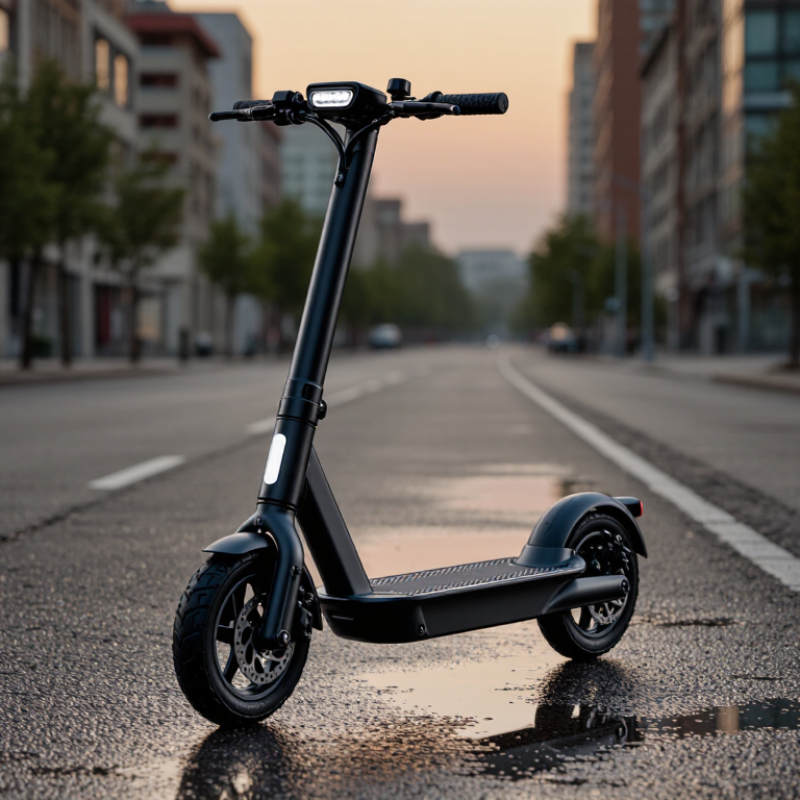
Table of Contents [Hide]
What Defines a Fast Electric Scooter?
Why Choose a Fast Electric Scooter for Global Buyers?
What Defines a Fast Electric Scooter?
A fast electric scooter is not defined by a large top-speed number alone. For global buyers, real performance means controlled acceleration, stable handling, and predictable braking. A practical evaluation should examine continuous motor output, not only peak power claims. Battery voltage, current delivery, and thermal management affect speed after several minutes. Specifications can mislead. Real roads disagree. On a slight hill, a poorly matched drivetrain may lose speed sharply, while a balanced system delivers smoother progress.
Safety hardware also separates genuine performance from marketing. Wide pneumatic or well-designed solid tires can improve grip on uneven pavement. A rigid frame should resist twisting during quick direction changes. Strong front and rear brakes provide more confidence, especially with added passenger or cargo weight. Bright lighting, reflectors, and a clear display support safer decisions in low visibility. I have found that braking distance feels different on wet asphalt, even when laboratory figures look impressive.
A reliable fast scooter should include a battery management system, protected wiring, and a charger suited to the buyer’s electrical standard. Heat buildup deserves attention during long climbs. Some models perform well briefly but fade under repeated use. That weakness matters. Buyers should check independent testing, warranty terms, spare-part access, and local speed limits before riding. Certification requirements also vary between countries and cities, so a high-speed model may need restricted settings or private-property use. Overlooking those details can turn impressive performance into an expensive mistake.

© Copyright - Pro Tool & Supply - Site by SVM E-Marketing Solutions - Sitemap
- Privacy policy