- Products
- Air Compressors & Air Tools
- Climate Control
- Compaction Equipment
- Concrete Cutting Tools & Equipment
- Concrete and Masonry
- Demolition & Excavation
- Electrical & Mechanical
- Fasteners and Anchoring Adhesives
- Floor Protection
- Generators and Welders
- Hand Tools
- Heaters
- Janitorial and Office Supplies
- Jobsite Protection
- Ladders & Storage
- Lighting & Lighting Accessories
- Man Lifts
- Material Handling Equipment
- Power Tools
- Pressure Washers & Pumps
- Safety Gear
- Safety Products
- Saws
- Surface Preparation
- SEASONAL PRODUCTS
- Rentals
- Air Compressor and Air Tool Rentals
- Climate Control Rental
- Compaction Rentals
- Concrete Equipment Rentals
- Demolition & Excavation Equipment Rentals
- Concrete Floor Grinder Rentals
- General Construction Equipment Rentals
- Generator Rentals and Welder Rentals
- Heater Rentals
- Light Tower Rentals
- Man Lift Rentals in Massachusetts and Rhode Island
- Material Handling Equipment Rentals
- Pressure Washer & Pump Rentals
- Saw Rentals in New England
- SEASONAL PRODUCTS
- Products
- Air Compressors & Air Tools
- Climate Control
- Compaction Equipment
- Concrete Cutting Tools & Equipment
- Demolition & Excavation
- Electrical & Mechanical
- Floor Protection
- Generators and Welders
- Construction Heaters
- Construction Ladders, Staging, & Storage
- Construction Lighting
- Man Lifts
- Material Handling Equipment
- Industrial Janitorial and Office Supplies
- Pressure Washers & Pumps
- Construction Safety Products
- Construction Safety Gear
- Surface Preparation
- Building Protection
- Diesel Accessories
- Zero Emissions
- Rentals
- Air Compressor and Air Tool Rentals
- Climate Control Rental
- Compaction Rentals
- Concrete Equipment Rental
- Demolition & Excavation Equipment Rental
- General Construction Equipment Rental
- Generator Rentals and Welder Rentals
- Construction Heaters Rental
- Light Tower Rentals
- Man Lift Rentals
- Material Handling Equipment Rental
- Pressure Washer & Pump Rentals
- Saw Rentals in New England
- Concrete Floor Grinder Rentals
- Zero Emissions Rentals
- Repairs & Used
- Parts
- Blog
- Services
- Resources
- About Us
- Contact Us
Sales & Rental of Construction | Industrial Equipment & Supplies

Why Choose City Plaza Fountains for Your Project?
Choosing the right fountain partner can shape a public space for decades. City Plaza Fountains offers a practical approach to projects that must balance beauty, safety, engineering, and maintenance. A successful fountain is more than water rising through attractive stone. It needs reliable pumps, carefully planned drainage, safe electrical systems, and controls that staff can operate confidently.
Experience becomes visible in small details. Water should move evenly across each basin. Splash zones should protect nearby paving from constant overspray. Access panels should allow technicians to inspect equipment without disrupting public areas. Lighting should remain clear at night, while avoiding glare for pedestrians and nearby drivers. These choices support a cleaner, safer, and more welcoming plaza.
Details matter.
City Plaza Fountains can help project teams consider site conditions before construction begins. Local climate, water quality, foot traffic, accessibility, and cleaning routines all affect long-term performance. A design that works in a sheltered courtyard may fail in a windy civic square. That difference deserves attention. It is also important to establish realistic budgets, documented maintenance schedules, and responsive service expectations from the beginning.
No fountain is perfect on paper. Unexpected staining, seasonal shutdowns, or changing public use may still require adjustments. Honest planning leaves room for those realities. By combining design judgment with technical coordination and dependable aftercare, City Plaza Fountains can support a project that looks impressive on opening day and remains manageable years later. The strongest choice is not always the most dramatic one. It is the one that performs consistently, serves its community, and earns trust over time.
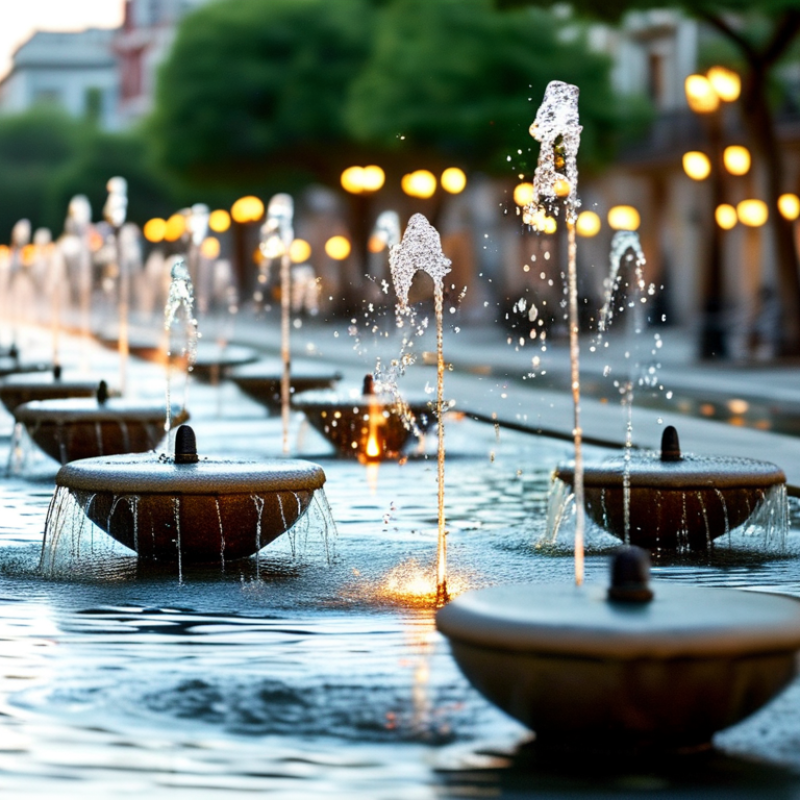
Table of Contents [Hide]
Project Goals and Public-Space Requirements
Public fountains should serve people before they serve photographs. A successful plaza feature begins with clear project goals, not decorative shapes. Designers must define whether the fountain will cool visitors, create a landmark, support events, or improve daily movement. Each purpose changes the basin size, spray height, lighting, and control system.
Public-space requirements deserve equal attention. Paved routes should remain wide, dry, and accessible for wheelchairs, strollers, and emergency teams. Slip-resistant surfaces matter near every splash zone.
Seating should face the water without blocking pedestrian flow. Quiet circulation needs protection from pumps, speakers, and crowded gathering points. These details often determine whether a fountain feels welcoming or inconvenient.
Durability is practical, not glamorous. A professional plan reviews filtration, drainage, water treatment, energy demand, and winter protection before construction begins. Local regulations and maintenance access must guide the layout.
Operators also need simple controls and safe shutdown procedures. We have seen attractive concepts become difficult to manage because technicians could not reach essential equipment. That mistake is easy to overlook. It deserves honest review. A strong proposal uses site measurements, public feedback, and tested materials. It also leaves room for adjustment when real behavior differs from early predictions.
© Copyright - Pro Tool & Supply - Site by SVM E-Marketing Solutions - Sitemap
- Privacy policy