- Products
- Air Compressors & Air Tools
- Climate Control
- Compaction Equipment
- Concrete Cutting Tools & Equipment
- Concrete and Masonry
- Demolition & Excavation
- Electrical & Mechanical
- Fasteners and Anchoring Adhesives
- Floor Protection
- Generators and Welders
- Hand Tools
- Heaters
- Janitorial and Office Supplies
- Jobsite Protection
- Ladders & Storage
- Lighting & Lighting Accessories
- Man Lifts
- Material Handling Equipment
- Power Tools
- Pressure Washers & Pumps
- Safety Gear
- Safety Products
- Saws
- Surface Preparation
- SEASONAL PRODUCTS
- Rentals
- Air Compressor and Air Tool Rentals
- Climate Control Rental
- Compaction Rentals
- Concrete Equipment Rentals
- Demolition & Excavation Equipment Rentals
- Concrete Floor Grinder Rentals
- General Construction Equipment Rentals
- Generator Rentals and Welder Rentals
- Heater Rentals
- Light Tower Rentals
- Man Lift Rentals in Massachusetts and Rhode Island
- Material Handling Equipment Rentals
- Pressure Washer & Pump Rentals
- Saw Rentals in New England
- SEASONAL PRODUCTS
- Products
- Air Compressors & Air Tools
- Climate Control
- Compaction Equipment
- Concrete Cutting Tools & Equipment
- Demolition & Excavation
- Electrical & Mechanical
- Floor Protection
- Generators and Welders
- Construction Heaters
- Construction Ladders, Staging, & Storage
- Construction Lighting
- Man Lifts
- Material Handling Equipment
- Industrial Janitorial and Office Supplies
- Pressure Washers & Pumps
- Construction Safety Products
- Construction Safety Gear
- Surface Preparation
- Building Protection
- Diesel Accessories
- Zero Emissions
- Rentals
- Air Compressor and Air Tool Rentals
- Climate Control Rental
- Compaction Rentals
- Concrete Equipment Rental
- Demolition & Excavation Equipment Rental
- General Construction Equipment Rental
- Generator Rentals and Welder Rentals
- Construction Heaters Rental
- Light Tower Rentals
- Man Lift Rentals
- Material Handling Equipment Rental
- Pressure Washer & Pump Rentals
- Saw Rentals in New England
- Concrete Floor Grinder Rentals
- Zero Emissions Rentals
- Repairs & Used
- Parts
- Blog
- Services
- Resources
- About Us
- Contact Us
Sales & Rental of Construction | Industrial Equipment & Supplies


Why Choose Rack Mounted Devices for Your Business?
For many businesses, infrastructure must grow without consuming valuable floor space. Rack Mounted Devices offer a practical way to organize servers, storage systems, switches, firewalls, and power equipment inside standardized cabinets. A typical 42U rack can place several critical systems within one controlled footprint. This arrangement simplifies cabling, airflow planning, maintenance, and future expansion.
The operational case is becoming stronger. Uptime Institute’s 2024 Global Data Center Survey identifies power capacity, cooling, and rising equipment density as continuing concerns for data center operators. These pressures make predictable rack layouts increasingly important. A clean cabinet can separate hot and cold airflow, reduce loose cables, and help technicians locate failed components faster. The Uptime Institute also continues to report that outages can create serious financial consequences, particularly for organizations with customer-facing digital services. Every minute matters.
Rack Mounted Devices can also support standardization across branch offices and private data centers. IT teams can label each unit, document its position, and replace hardware with less disruption. However, rack deployment is not automatically the best choice. Poor weight distribution, inadequate cooling, or insufficient power capacity can create new risks. The choice requires a measured assessment of workload, redundancy, noise, and maintenance access. Gartner’s research on infrastructure modernization likewise emphasizes aligning technology investment with business outcomes, rather than buying equipment for its own sake. That point deserves reflection. A rack may look efficient, yet efficiency depends on disciplined design, monitoring, and ongoing review.
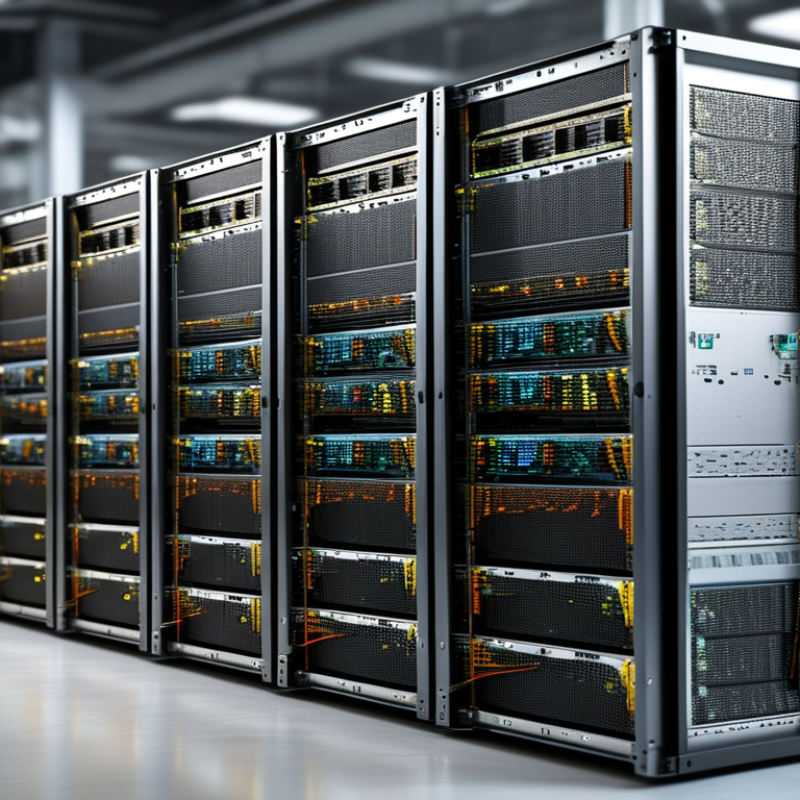
Table of Contents [Hide]
What Rack-Mounted Devices Are and How They Work
Rack-mounted devices are built to fit inside standardized equipment frames. These frames usually measure 19 inches wide and use vertical units, called U, to define height. A 1U server is compact, while a 4U storage system needs more space.
Technicians attach each device to horizontal rails or mounting brackets. The rails support its weight and allow it to slide forward for inspection. Inside, processors, memory, storage drives, network ports, and power supplies perform separate jobs. A switch directs data between connected systems. A server processes applications and responds to user requests. A storage unit preserves files and system backups.
Airflow is central to how rack-mounted devices work. Cool air enters through the front, moves across hot components, and exits at the rear. Blocked vents or tangled cables can raise temperatures quickly. I have seen a clean rack become difficult to service after one rushed installation. The layout looked acceptable, but the airflow suffered.
Power distribution units feed electricity to multiple devices and help organize connections. Network cables link servers, switches, and other equipment through planned pathways. Monitoring software can report heat, power use, and hardware faults before a failure becomes obvious. Still, monitoring is not perfect. Sensors can miss early problems, and technicians must inspect unusual noise, dust, or rising temperatures. A rack saves floor space, but it demands careful planning, labeling, and regular maintenance.

© Copyright - Pro Tool & Supply - Site by SVM E-Marketing Solutions - Sitemap
- Privacy policy